Search results

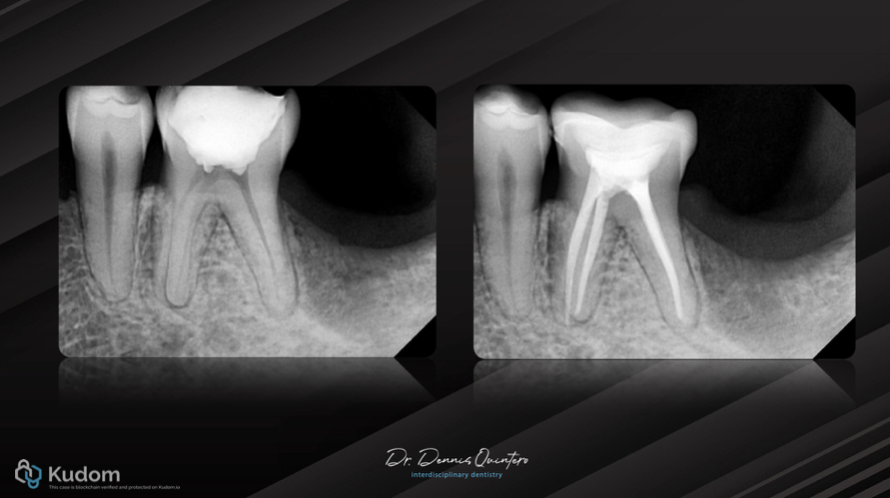
Microscope-Guided Minimally Invasive Repair of Root Perforations in Endodontic Retreatment

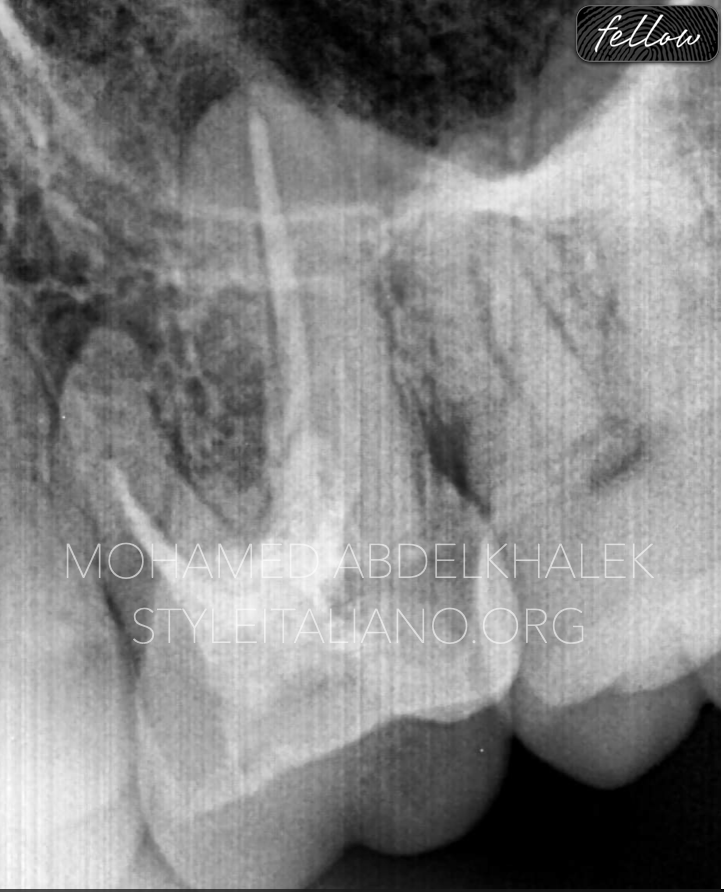
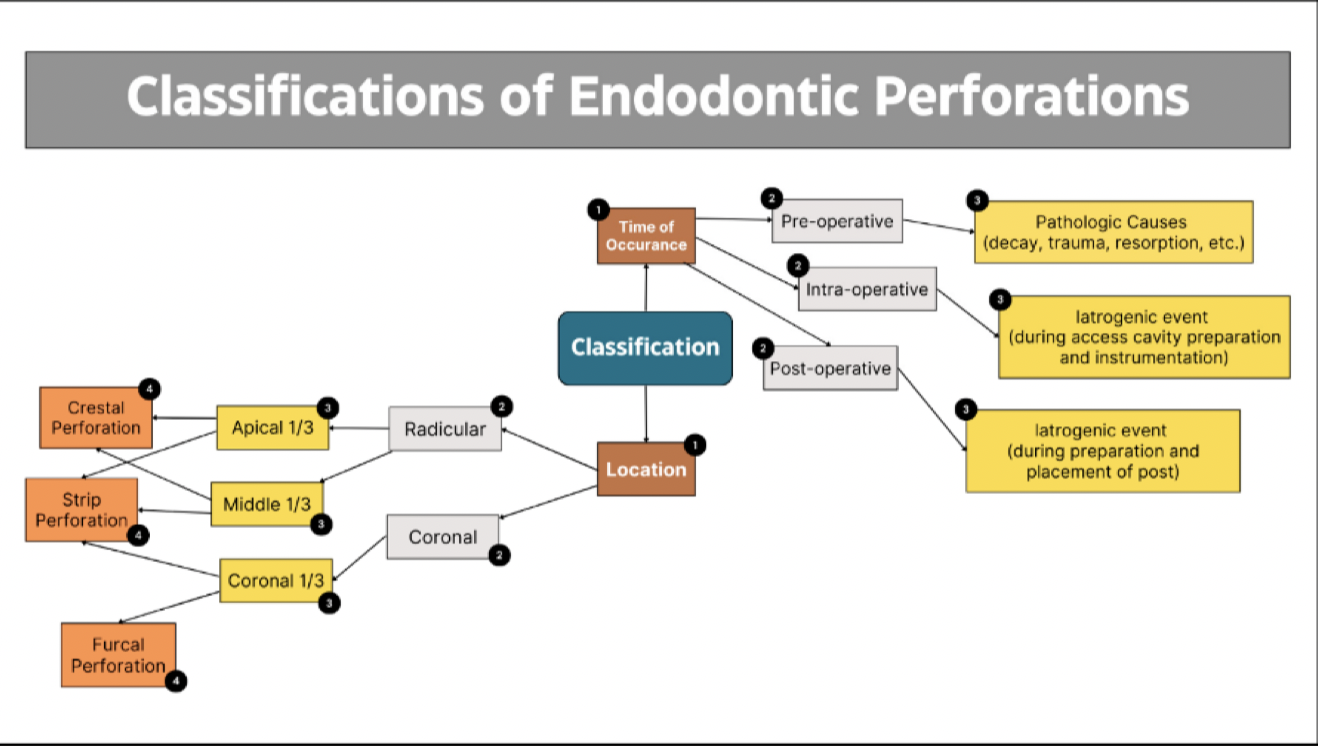
Iatrogenic perforations represent one of the most biologically challenging complications encountered in endodontic practice, particularly when they occur at the pulpal floor of molar teeth. These defects compromise the structural and biological integrity of the root canal system, establishing a direct pathway for microbial ingress into the periodontal tissues and significantly influencing prognosis if not managed appropriately.
Contemporary endodontics has evolved from traditional, often aggressive approaches to a more conservative, biologically driven philosophy that emphasises preservation of tooth structure and optimisation of healing. Within this context, minimally invasive repair strategies—supported by advanced biomaterials and enhanced visualisation—have redefined the management of such complications.
This chapter presents a detailed clinical narrative of a referred mandibular first molar (tooth 36) exhibiting a pulpal floor perforation, managed using mineral trioxide aggregate (MTA) delivered with precision through the appropriate system. Emphasis is placed on the role of magnification, controlled material placement, and adherence to the principles of corrective root canal therapy. The clinical workflow, biological rationale, and key procedural considerations are explored in depth, supported by current evidence and contemporary clinical insights.
Read More
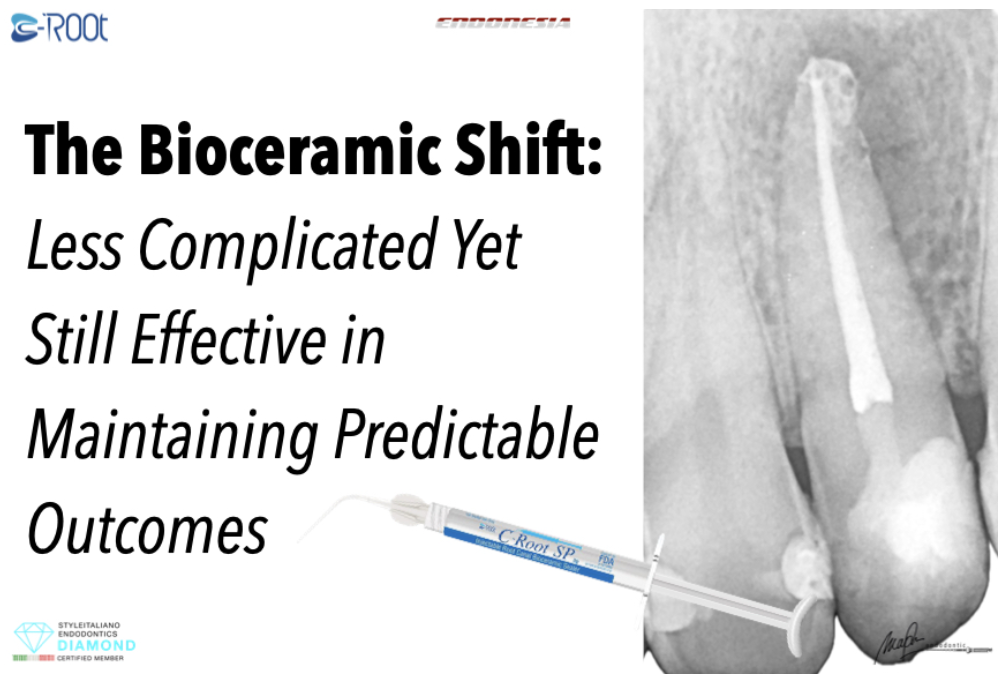
The Bioceramic Shift: Less complicated Yet Still Effective in Maintaining Predictable Outcomes

Advances in endodontic materials have influenced contemporary approaches to root canal obturation. A bioceramic sealers possess favorable properties, including biocompatibility, dimensional stability and the ability to form hydroxyapatite, which may enhance sealing root canal spaces. These characteristics have contributed to a shift toward simplified obturation techniques, particularly the single-cone approach. Compared with traditional compaction techniques, this method reduces procedural complexity and clinical time while maintaining an effective seal of the root canal system. For straightforward endodontic cases with adequate cleaning and shaping, simplified obturation protocols using bioceramic sealers have demonstrated predictable clinical outcomes.

Read More
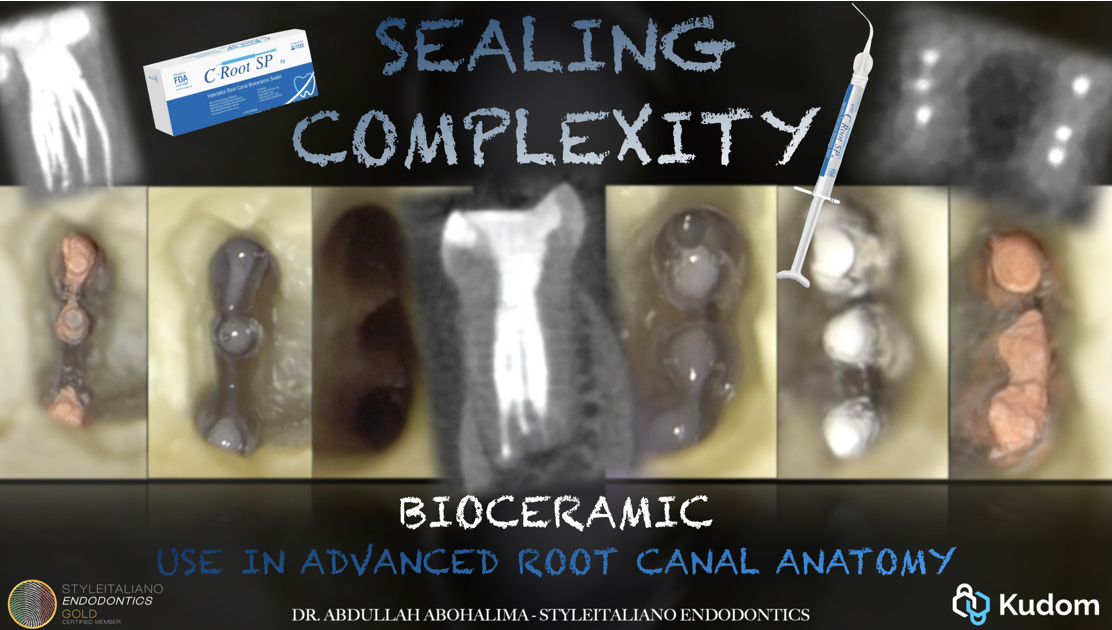
SEALING COMPLEXITY. Bioceramic use in Advanced Root Canal Anatomy. A true Middle Mesial & Middle Distal Canals Management!.

Variations in root canal anatomy, particularly the presence of middle mesial and middle distal canals, pose a significant clinical challenge.
Complex canal anatomies demand advanced strategies for effective cleaning, shaping, and obturation.
This article demonstrates how meticulous canal exploration, enhanced disinfection protocols, and bioceramic-based obturation can successfully manage such complexities, achieving a predictable three-dimensional seal.

Read More
Primary Endo treatment & final restoration 

The success of Endodontic treatment relies not only on the proper cleaning and disinfection of the root canal but also in the adequate restoration of the treated tooth. A well […]

Read More
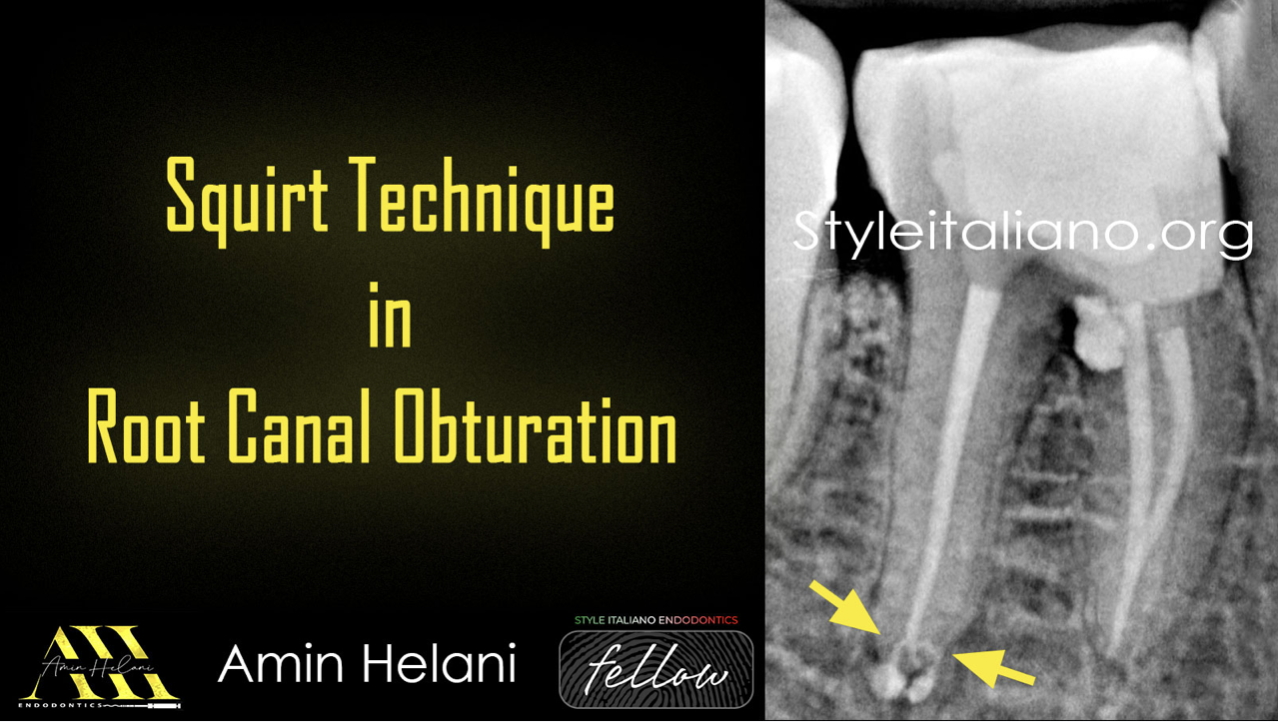
Squirt Technique in Root Canal Obturation

Exploring the Squirt Technique for root canal obturation, its effectiveness, limitations, and the clinical application.

Read More
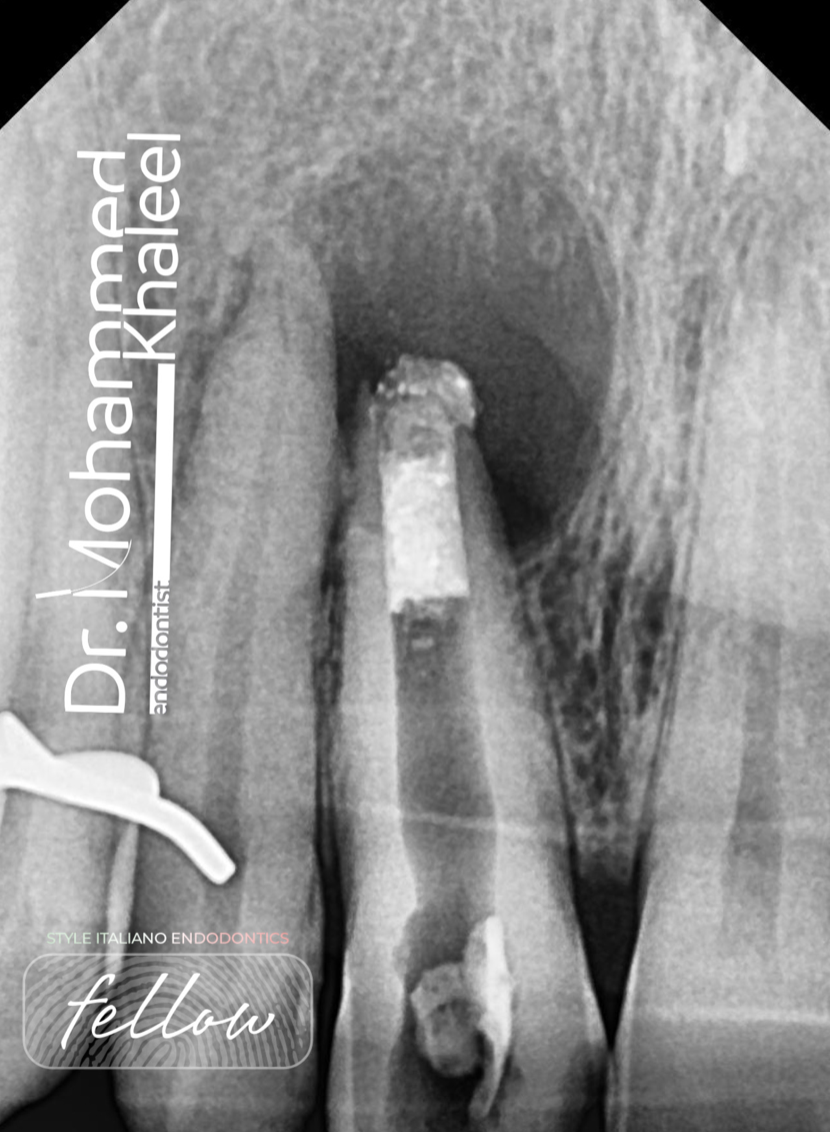
Apical plug with Bioceramic putty

The purpose of this article is to explain all the phases to do in a correct way an apical plug. Today on the market there was a lot of material […]

Read More
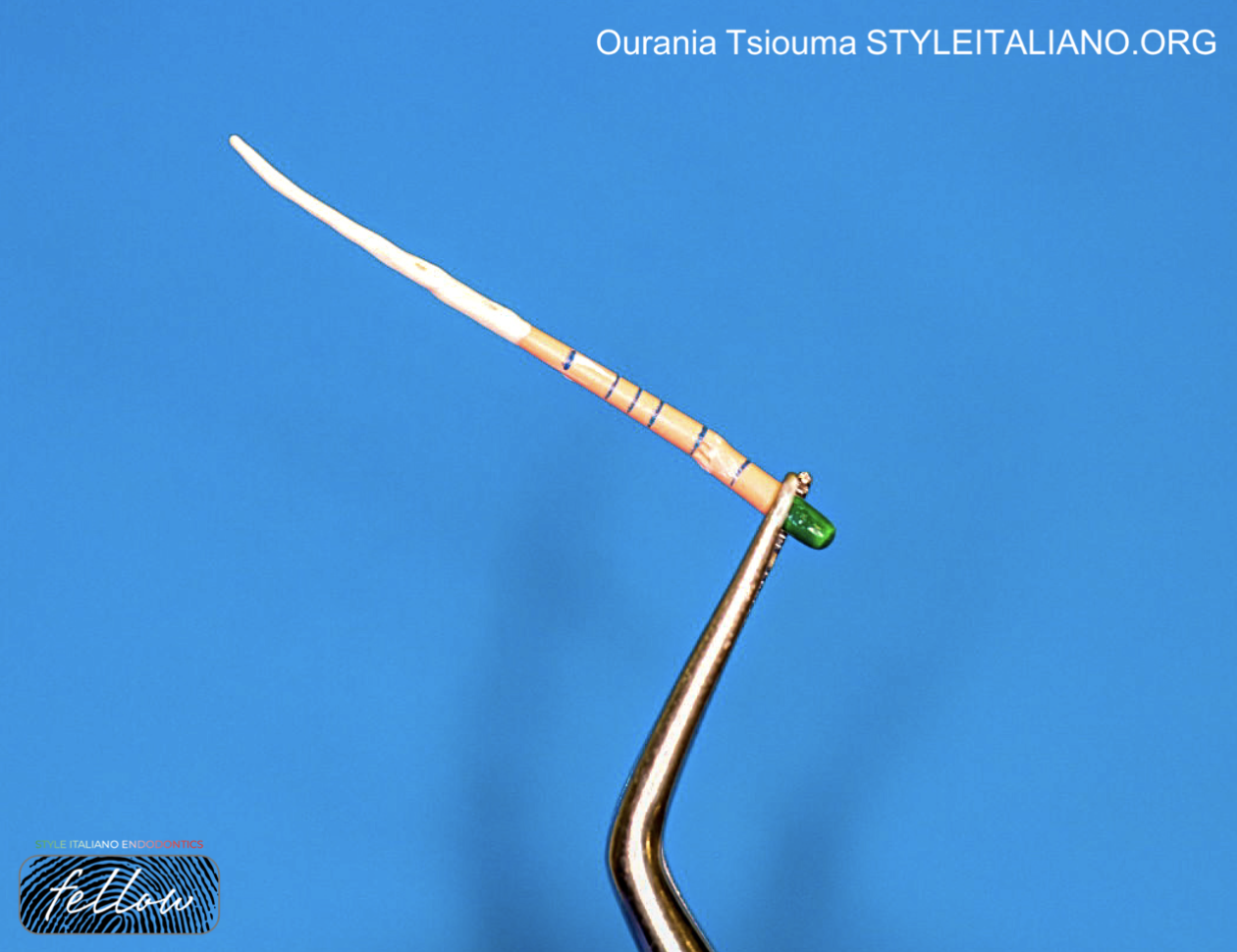
Single Cone Obturation: Mastering The Technique with Bioceramic sealers

The final objective of endodontic treatment as described by Schilder in 1967 is ‘‘the total obturation of the root canal space’’ and since then many materials and techniques have been […]

Read More
Re-treatment Decoding : obturation dilemma   

In this article we are going to share how to manage an upper first molar in a predictable way for a long-term successful re-treatment.

Read More
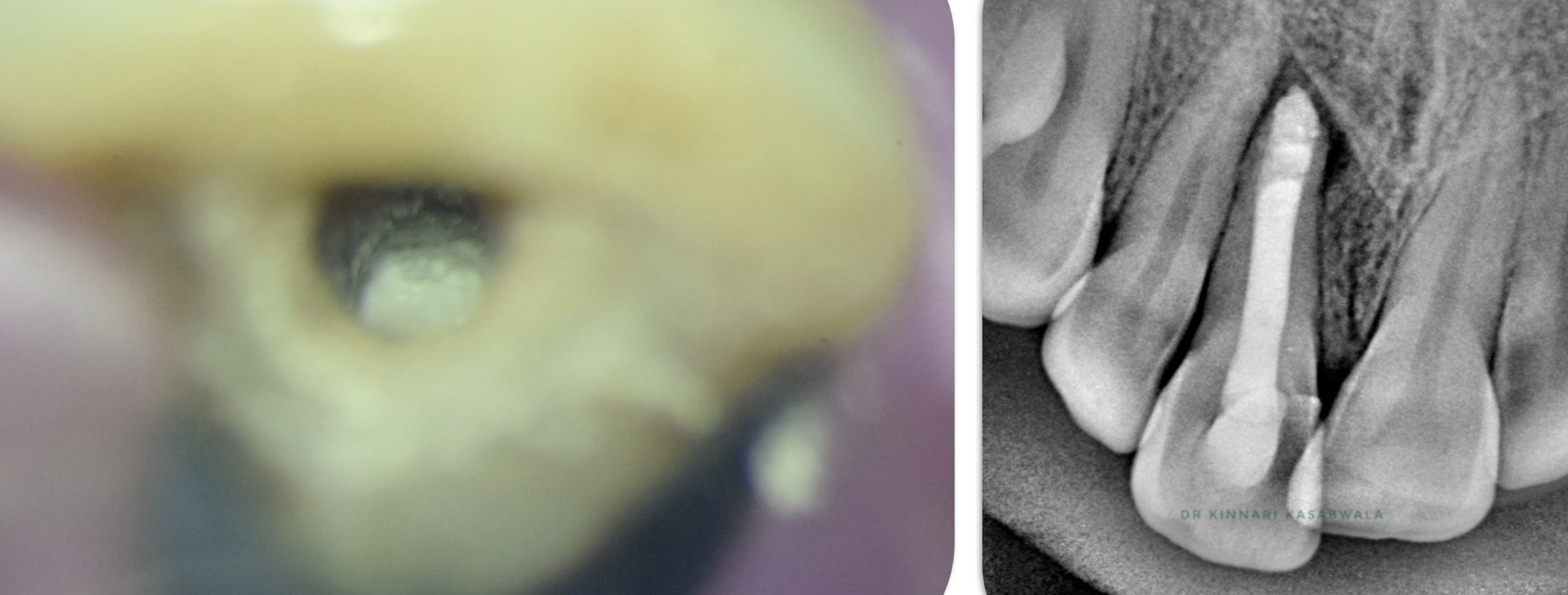
Endodontic management of immature central incisor by apexification

Trauma or caries in young children or adolescents can cause pulp necrosis, which may arrest root development in permanent teeth. This in turn results in thin dentinal walls, wide-open apices […]

Read More
Management of double iatrogenic perforation step by step

The American Association of Endodontists (AAE) Glossary of Endodontic Terms defines perforations as mechanical or pathological communications between the root canal system and the external tooth surface (2003). Root perforations […]

Read More
MTA apical plug

MTA has several desirable properties that makes it an excellent choice for apical plug formation .  Firstly , biocompatibility to the surrounding tissues . This is crucial for achieving successful […]

Read More
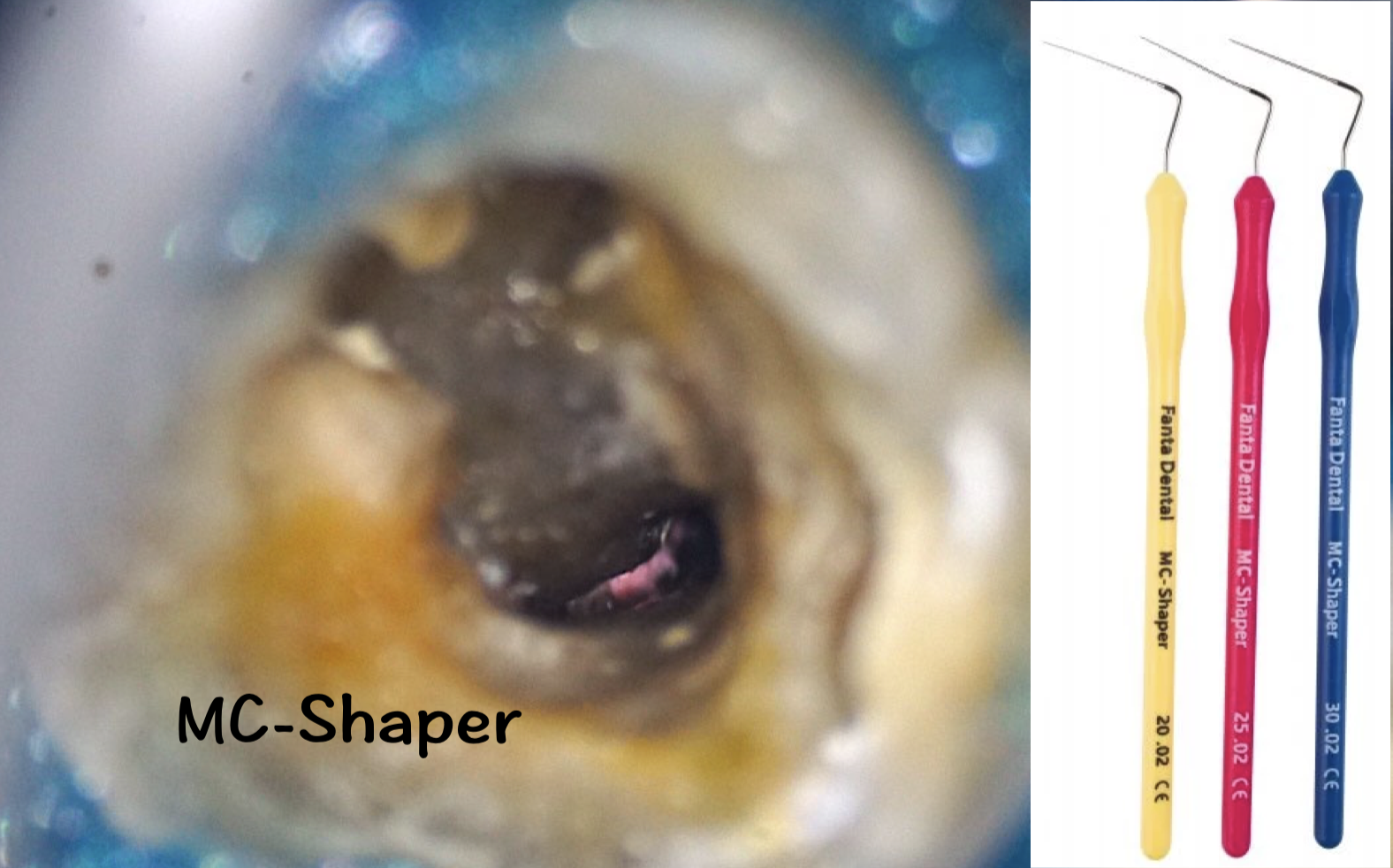
Dealing with root filling residuals in root canal re-treatment

Non-surgical root canal re-treatment is one of the most dental procedures that practitioners face in routine daily work. Though, it remains one of the most challenging procedures, as we are […]

Read More
1 2 3

Categories

crossmenuchevron-down linkedin facebook pinterest youtube rss twitter instagram facebook-blank rss-blank linkedin-blank pinterest youtube twitter instagram