Search results

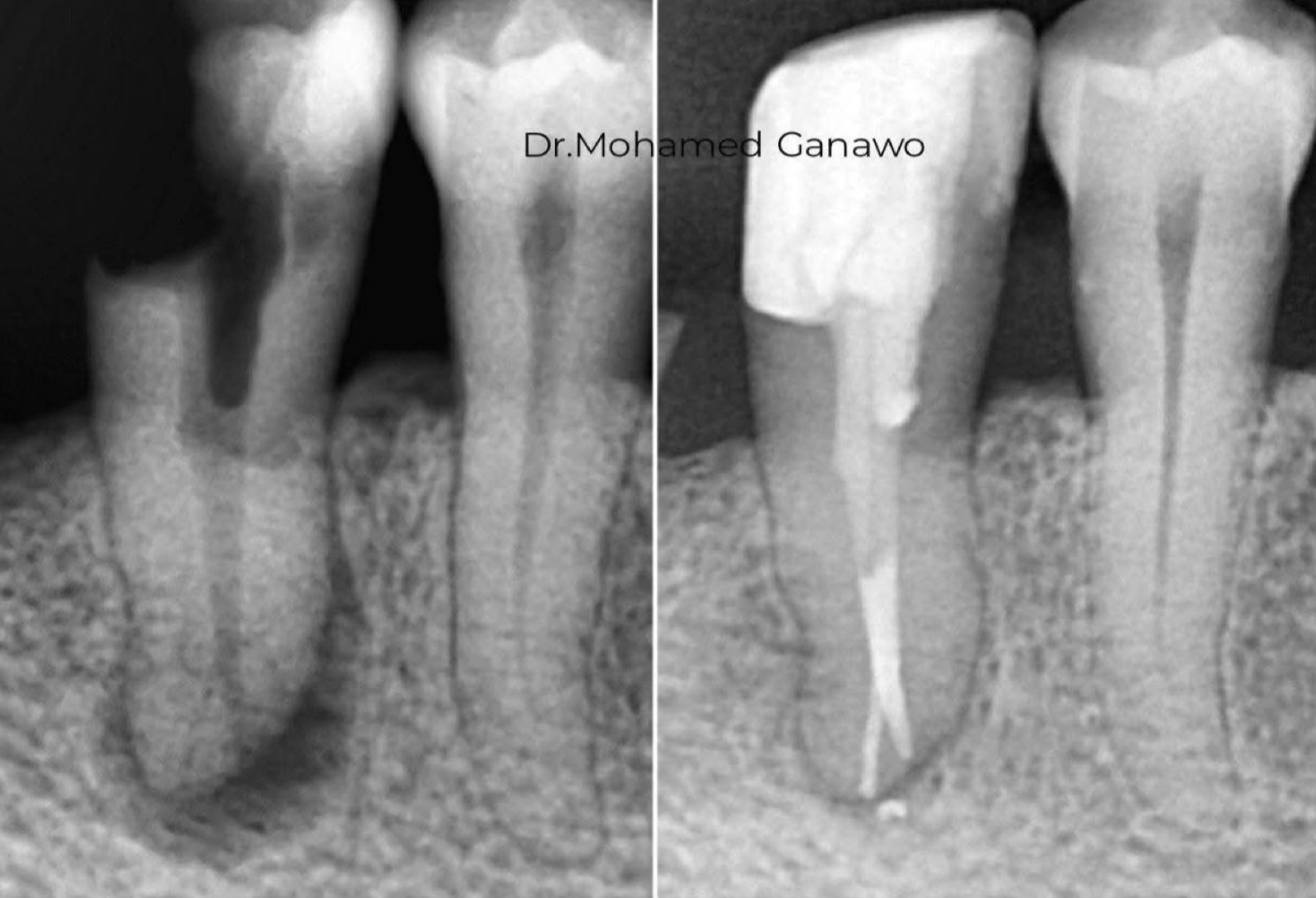
Microscope-Guided Minimally Invasive Repair of Root Perforations in Endodontic Retreatment

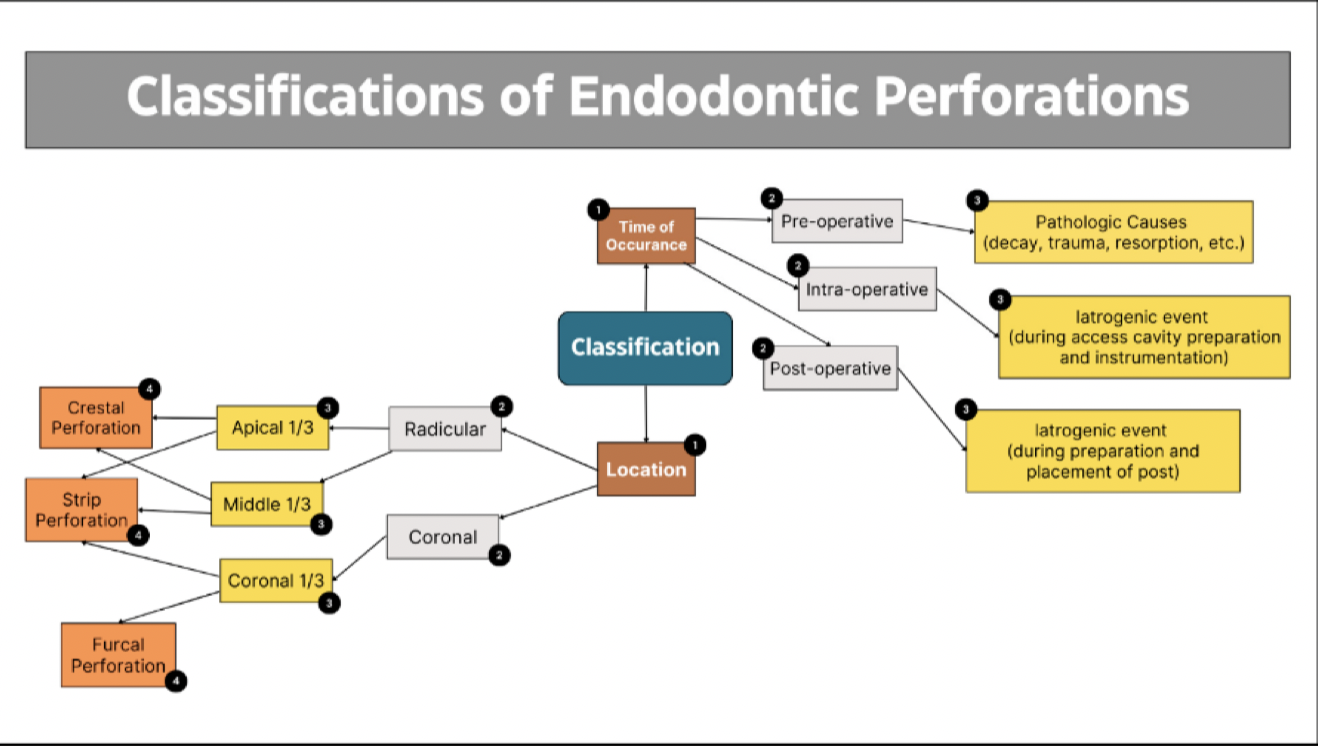
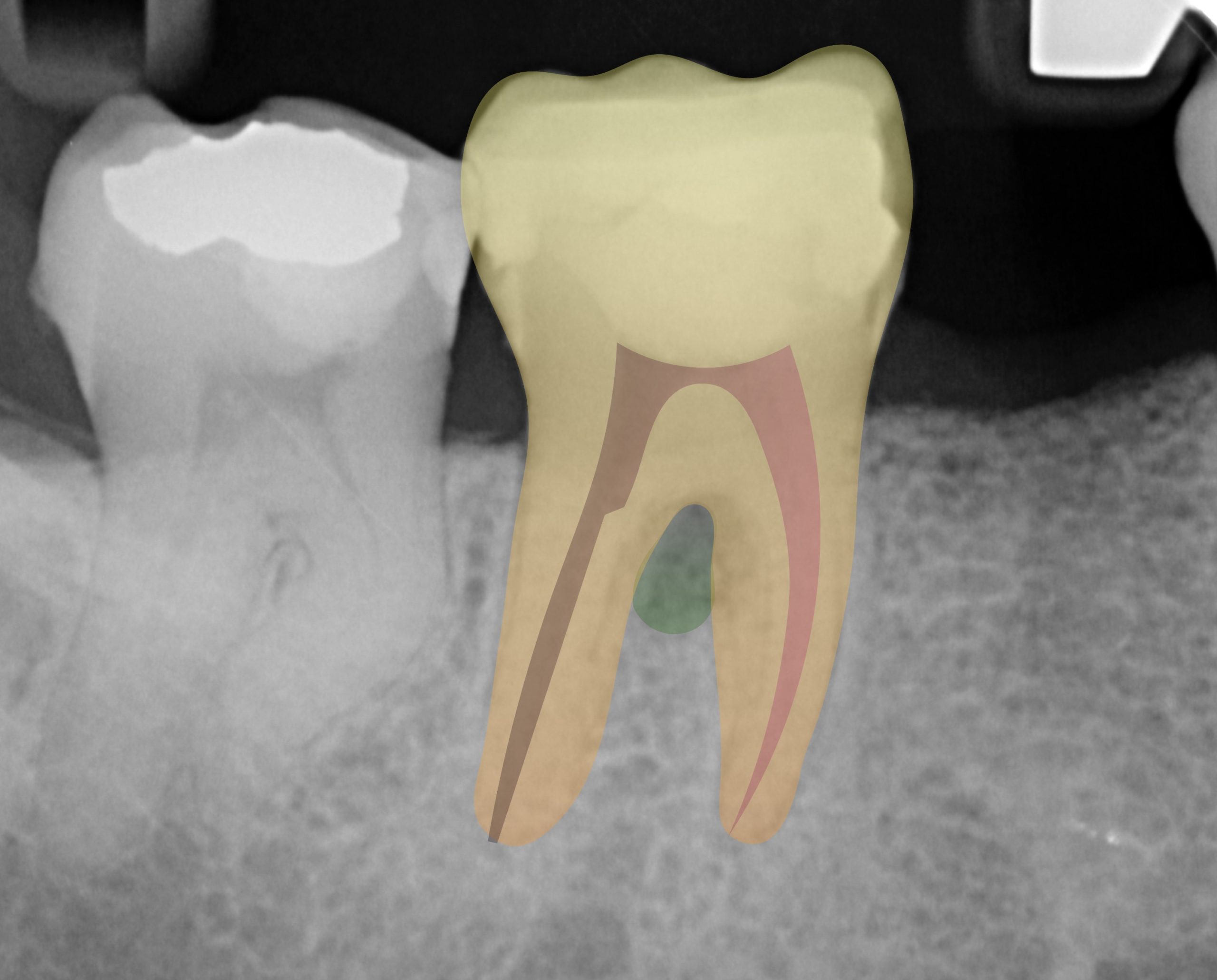
Iatrogenic perforations represent one of the most biologically challenging complications encountered in endodontic practice, particularly when they occur at the pulpal floor of molar teeth. These defects compromise the structural and biological integrity of the root canal system, establishing a direct pathway for microbial ingress into the periodontal tissues and significantly influencing prognosis if not managed appropriately.
Contemporary endodontics has evolved from traditional, often aggressive approaches to a more conservative, biologically driven philosophy that emphasises preservation of tooth structure and optimisation of healing. Within this context, minimally invasive repair strategies—supported by advanced biomaterials and enhanced visualisation—have redefined the management of such complications.
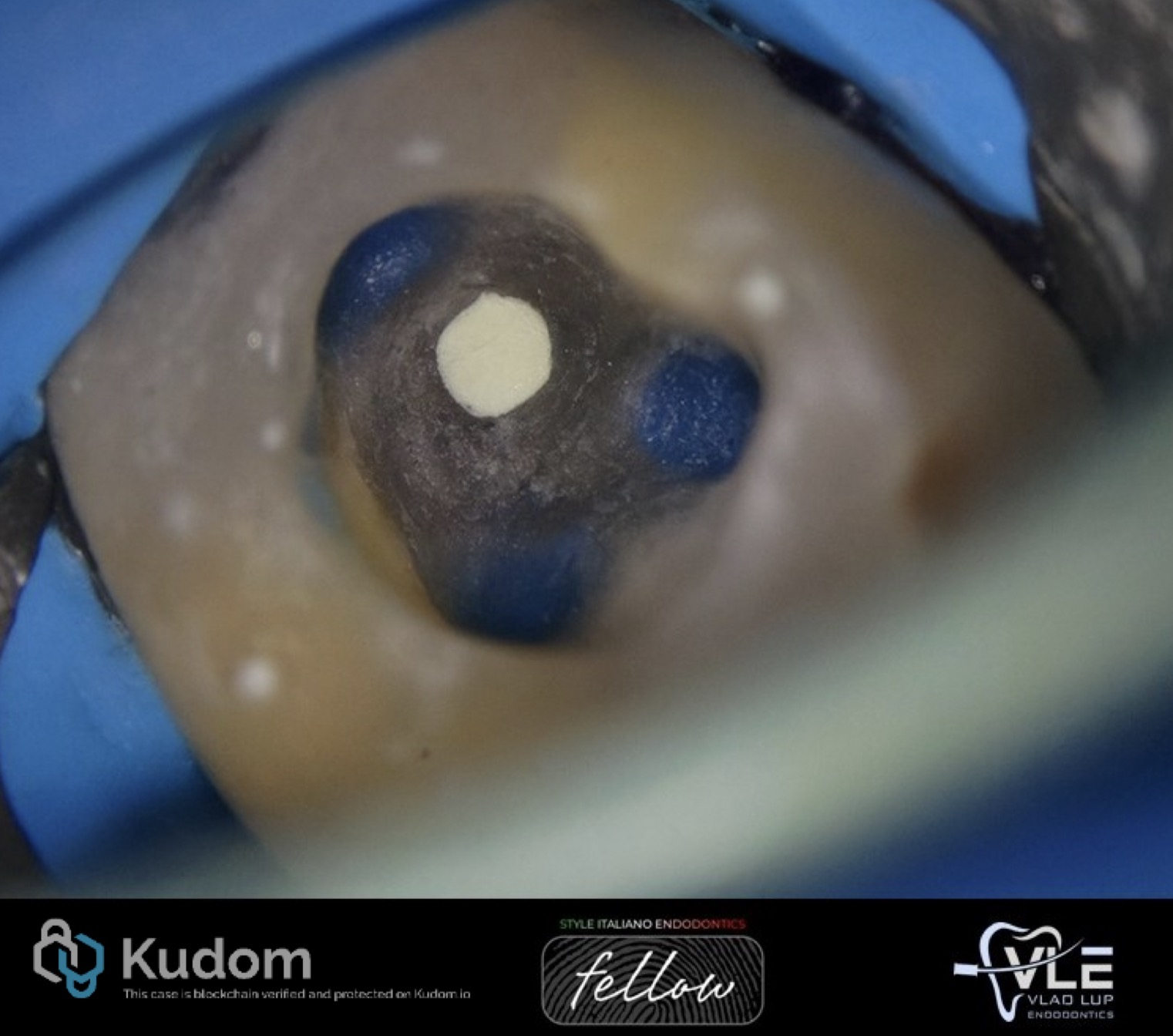
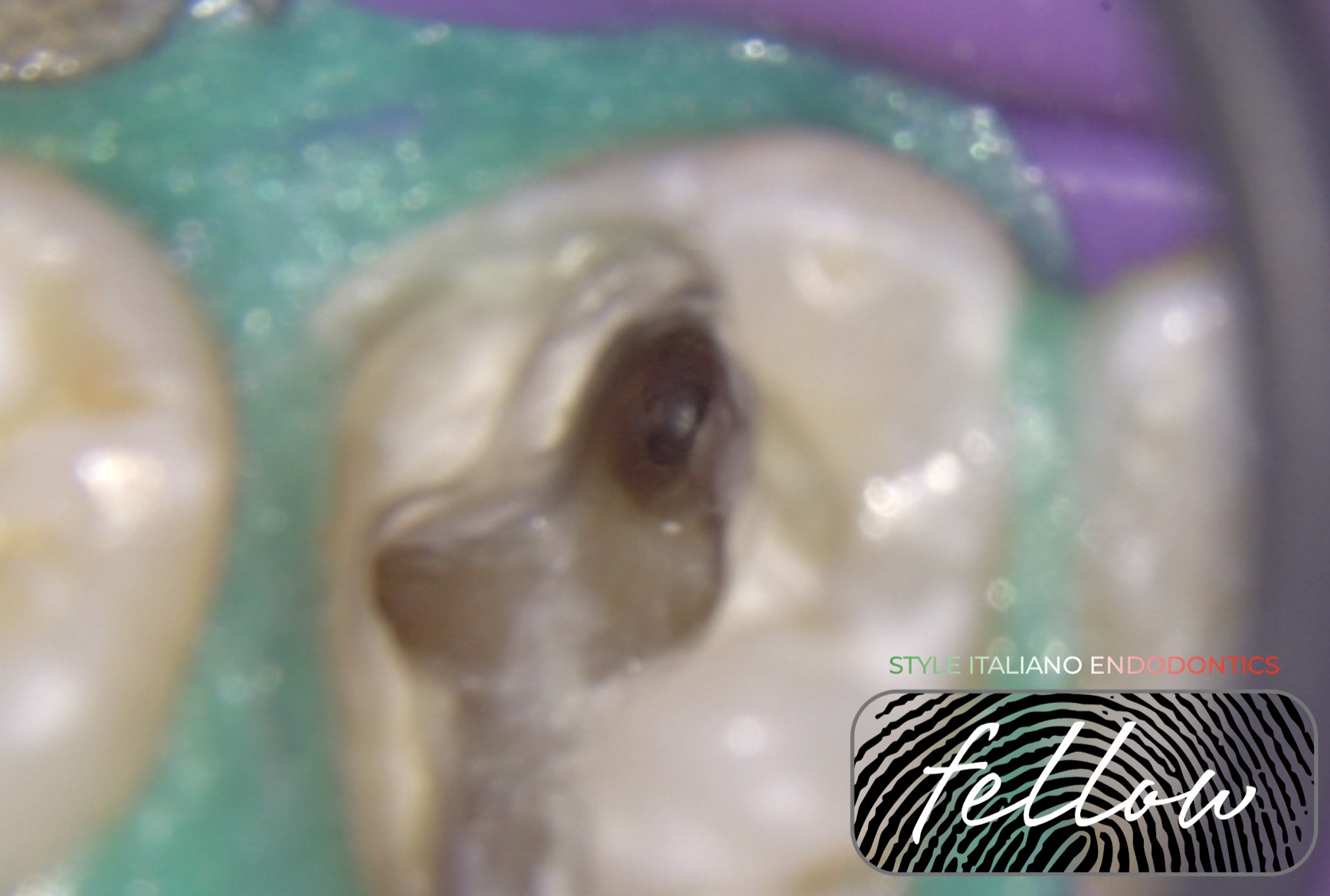
This chapter presents a detailed clinical narrative of a referred mandibular first molar (tooth 36) exhibiting a pulpal floor perforation, managed using mineral trioxide aggregate (MTA) delivered with precision through the appropriate system. Emphasis is placed on the role of magnification, controlled material placement, and adherence to the principles of corrective root canal therapy. The clinical workflow, biological rationale, and key procedural considerations are explored in depth, supported by current evidence and contemporary clinical insights.

Read More
Retreatment of badly decayed tooth with multiple mishaps

In the world of endodontics, the line between a routine procedure and a clinical "detour" can be incredibly thin. Whether it’s a stubborn calcified canal or an unexpected instrument fracture, mishaps are less a sign of incompetence and more a reflection of the biological and anatomical complexities we face daily.

Read More
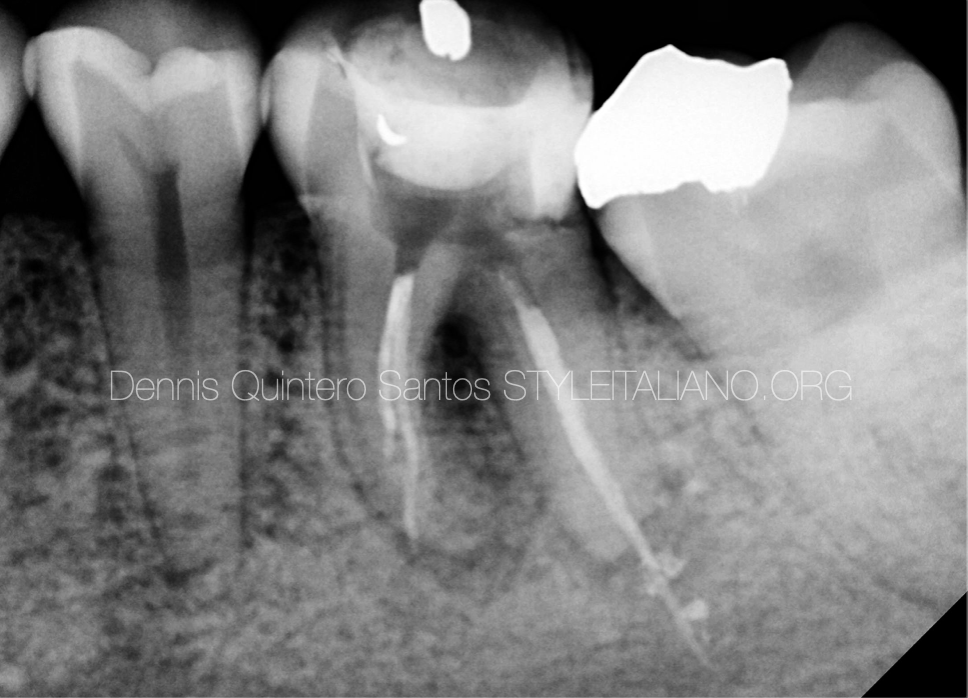
Endodontic Management of a Mandibular Molar with Iatrogenic Perforation, Ledges and Missed Canals

Successful endodontic therapy begins with a properly designed access cavity, which is the foundation for locating, cleaning, and shaping the root canal system. Inadequate or misdirected access can lead to […]

Read More
The fine line between extraction and retreatment: a conservative approach to a compromised premolar — 24-Month Follow-Up

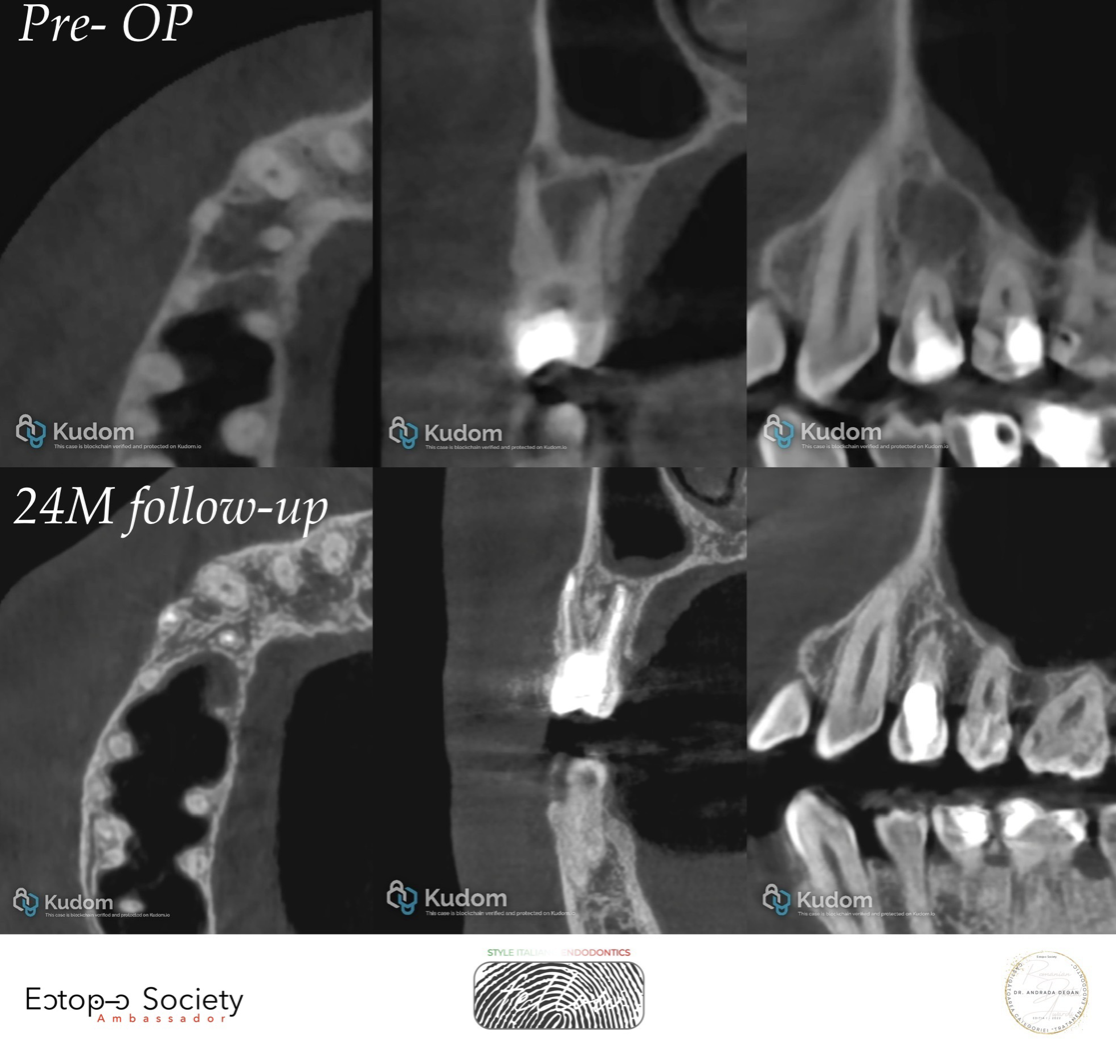
Preservation of compromised teeth can be challenging, especially when an extensive periapical lesion is affecting prognosis.

Read More
Partial pulpal necrosis. It occurs occasionally.

Managing dental elements with complex endodontic pathologies presents a daily challenge in clinical practice. The case of a lower molar with three canals, characterized by the appearance of a fistula […]

Read More
The importance of magnification to manage ledge/perforation 

Retreatment are always a challenge. One of the most difficult things is to manage ledge or/and perforation into a canal. When we have to work inside the canal the use […]

Read More
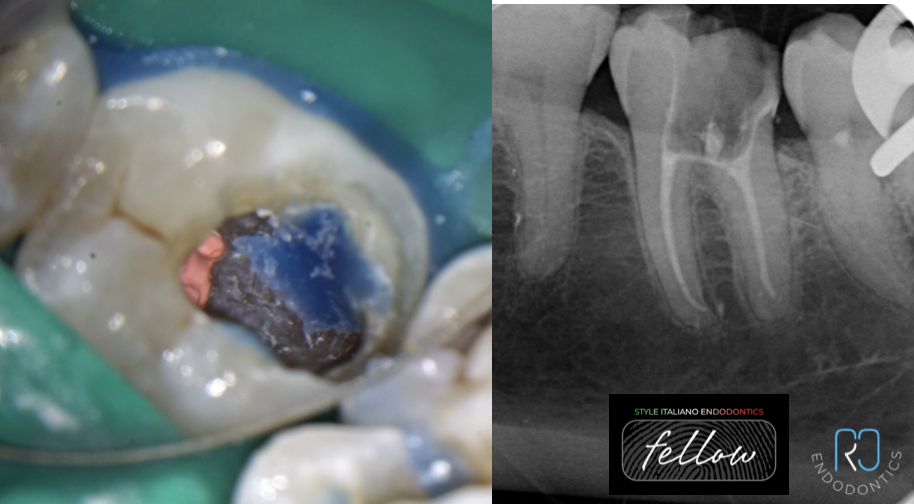
Management of nonsurgical retreatment and final restoration.

The management of nonsurgical retreatment has proven to be an effective alternative in dentistry for preserving natural teeth. Studies indicate that success rates may decline due to anatomical factors overlooked […]

Read More
The Internal Isolation Technique: simplifying coronal perforation repair

The new calcium silicate based cements have many positive features compared to classic MTA, including a fast setting that could be used to speed up the process of perforation repair

Read More

Categories

crossmenuchevron-down linkedin facebook pinterest youtube rss twitter instagram facebook-blank rss-blank linkedin-blank pinterest youtube twitter instagram