A pre-eruptive intra-coronal resorption (PIER) is a defect located in the dentin of an unerupted tooth, just beneath the dentin-enamel junction. The depth of the lesion is variable and may […]
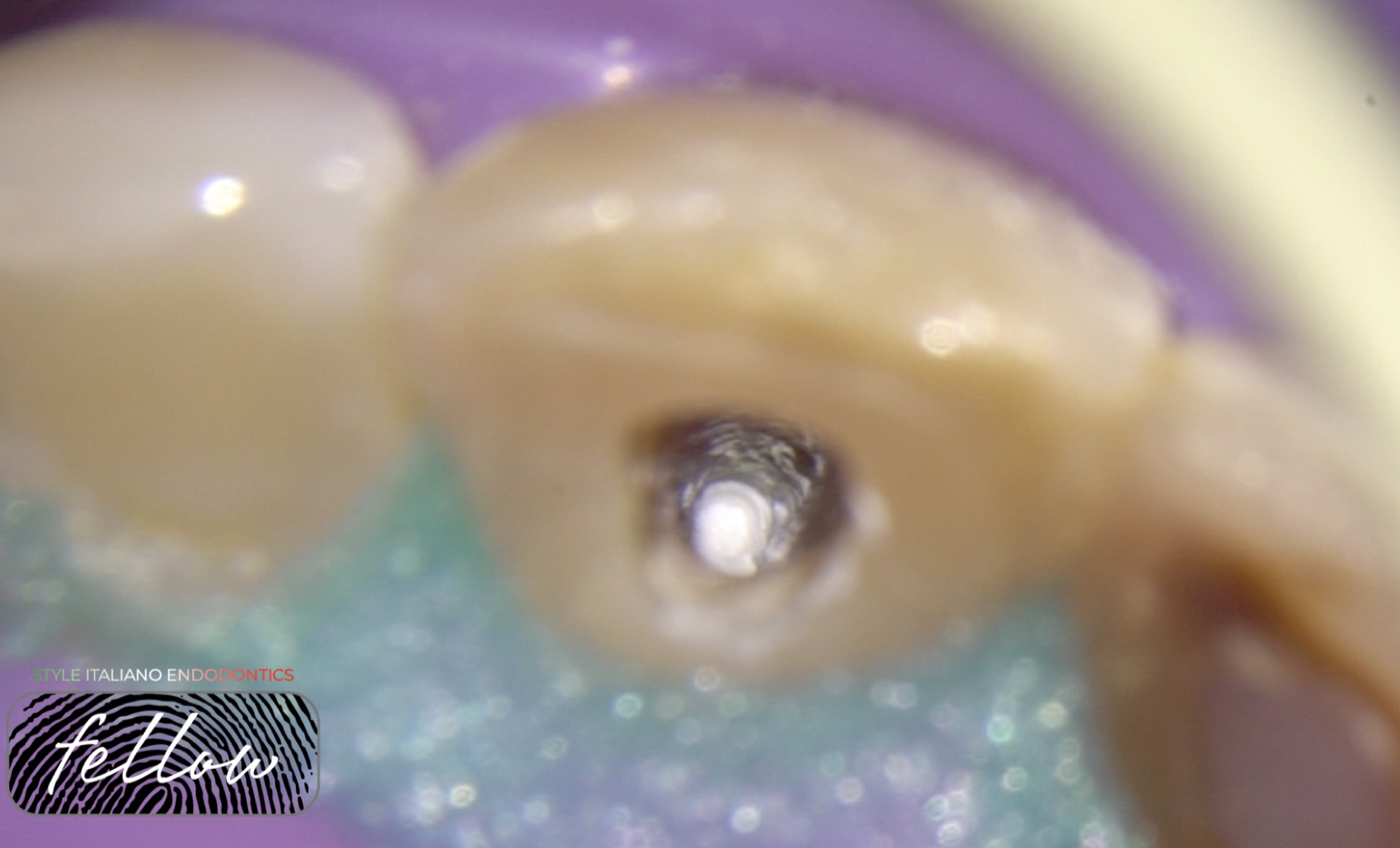
Deep caries due to pre-eruptive intracoronal resorption (PIER) in a recently erupted maxillary second molar: a case report
A pre-eruptive intra-coronal resorption (PIER) is a defect located in the dentin of an unerupted tooth, just beneath the dentin-enamel junction. The depth of the lesion is variable and may […]
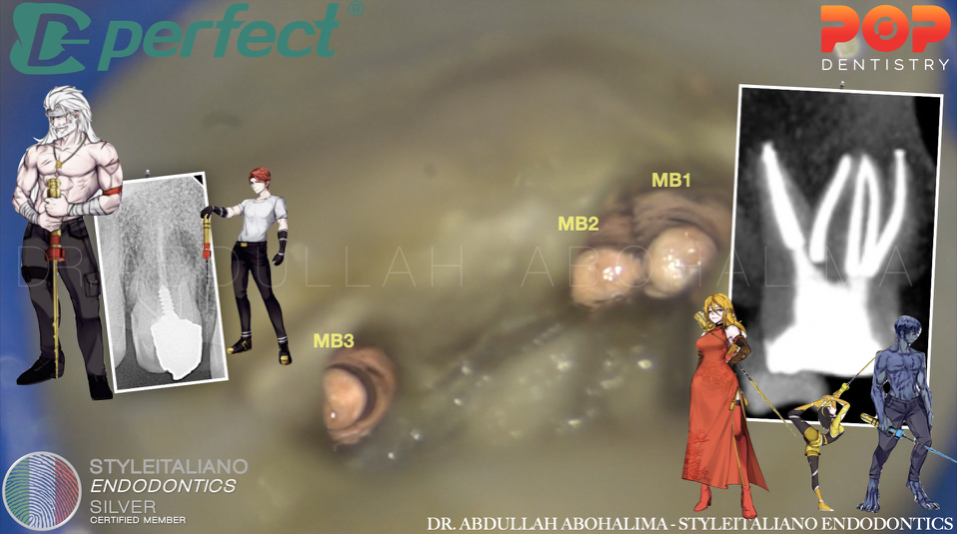
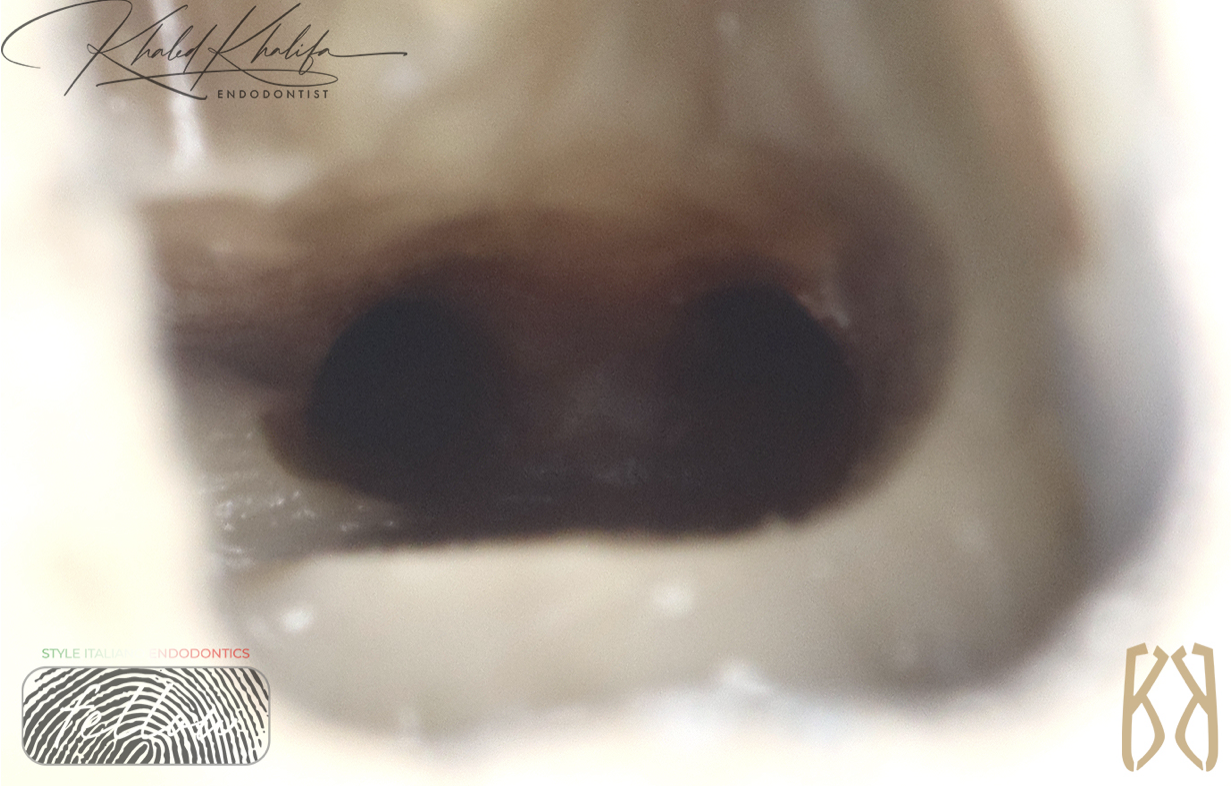
Distal canal as a determinant of MB2 location?!
Finding mB2 can be challenging work. Usually, the entrance is covered with thick deposition of secondary dentin, which impede visualization. In clinical practice finding MB2 is of higher importance, while ignoring it can lead to apical periodontitis in vast majority of cases. We want to share more predictable searching method for easy detection of MB2.
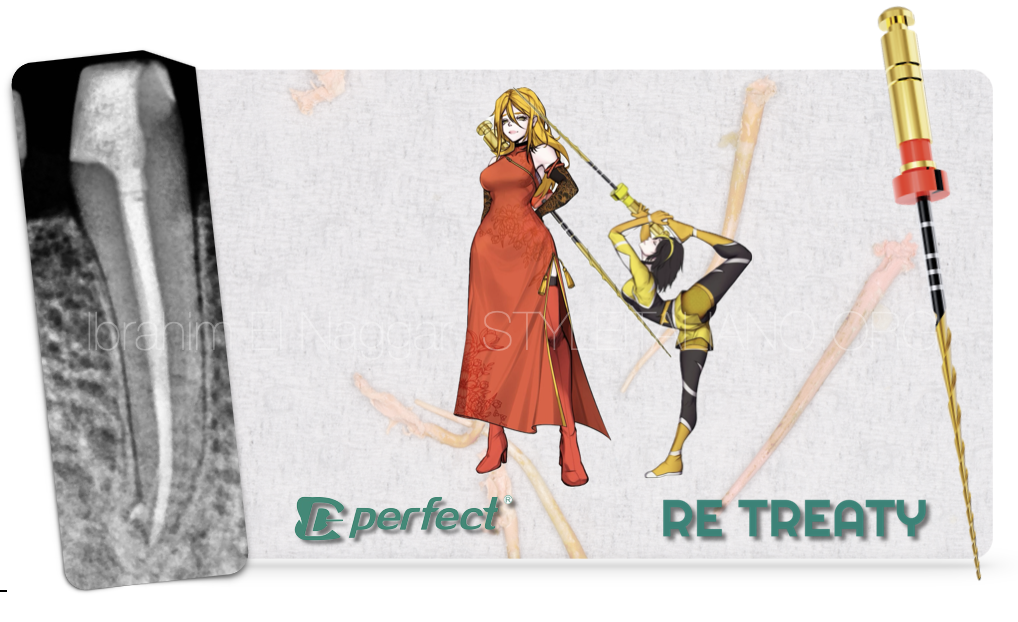
Optimizing Endodontic Outcomes through Selective Root Retreatment
In field of endodontic retreatment, the traditional dichotomy between non-selective nonsurgical methods and selective surgical interventions has been redefined by advances in CBCT imaging. This technological leap has facilitated the […]
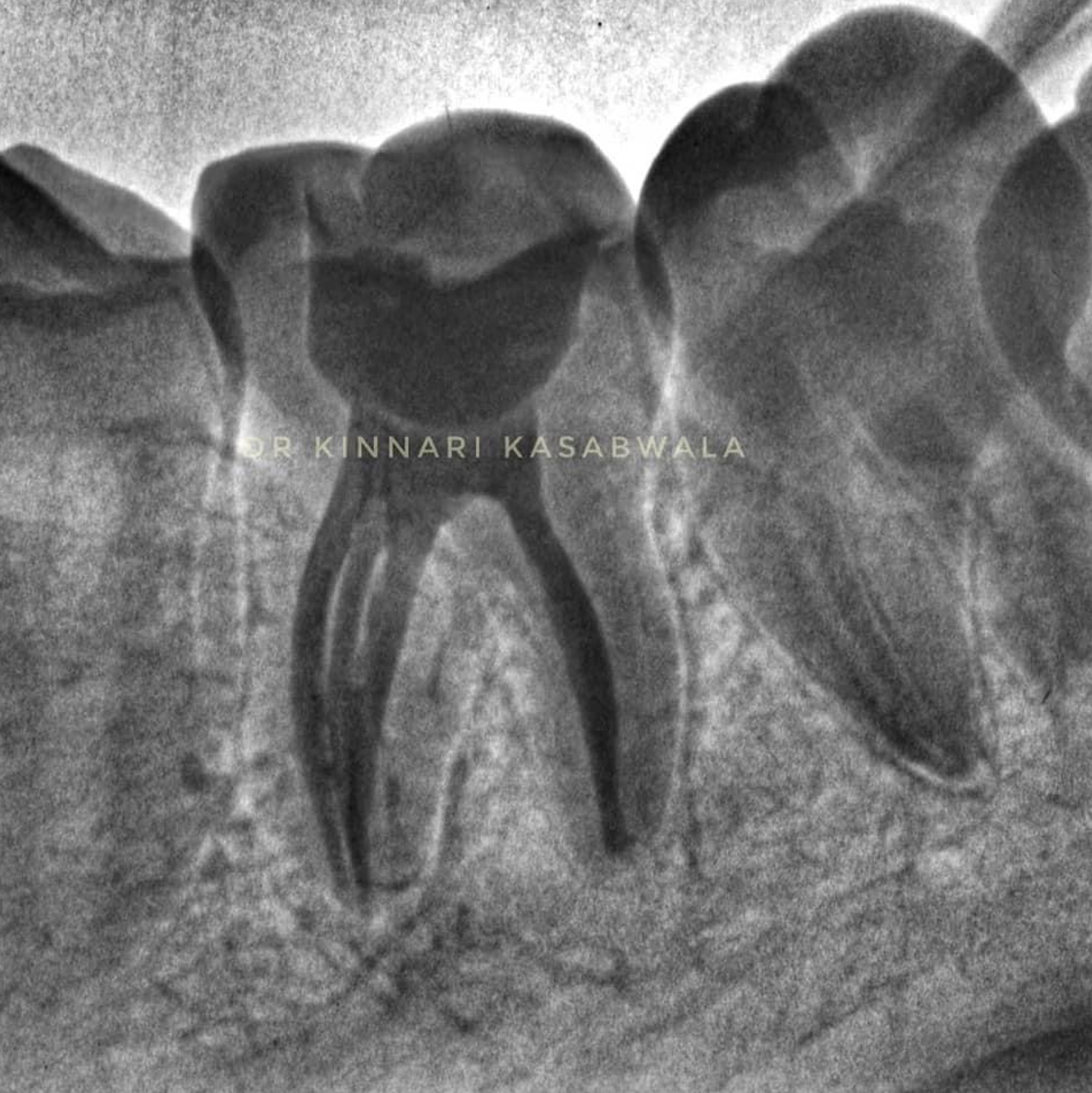
A Mandibular First Molar with Radix Entomolaris and Middle Mesial Canal: a case report
Case report of the endodontic treatment of a mandibular first molar with radix entomolaris and middle mesial canal
A diagnostic conundrum
Multi-rooted teeth in the upper arch can present diagnostic difficulties. Vitality testing can result in erratic response due to necrobiosis status of the pulp. The aid of CBCT scan to […]
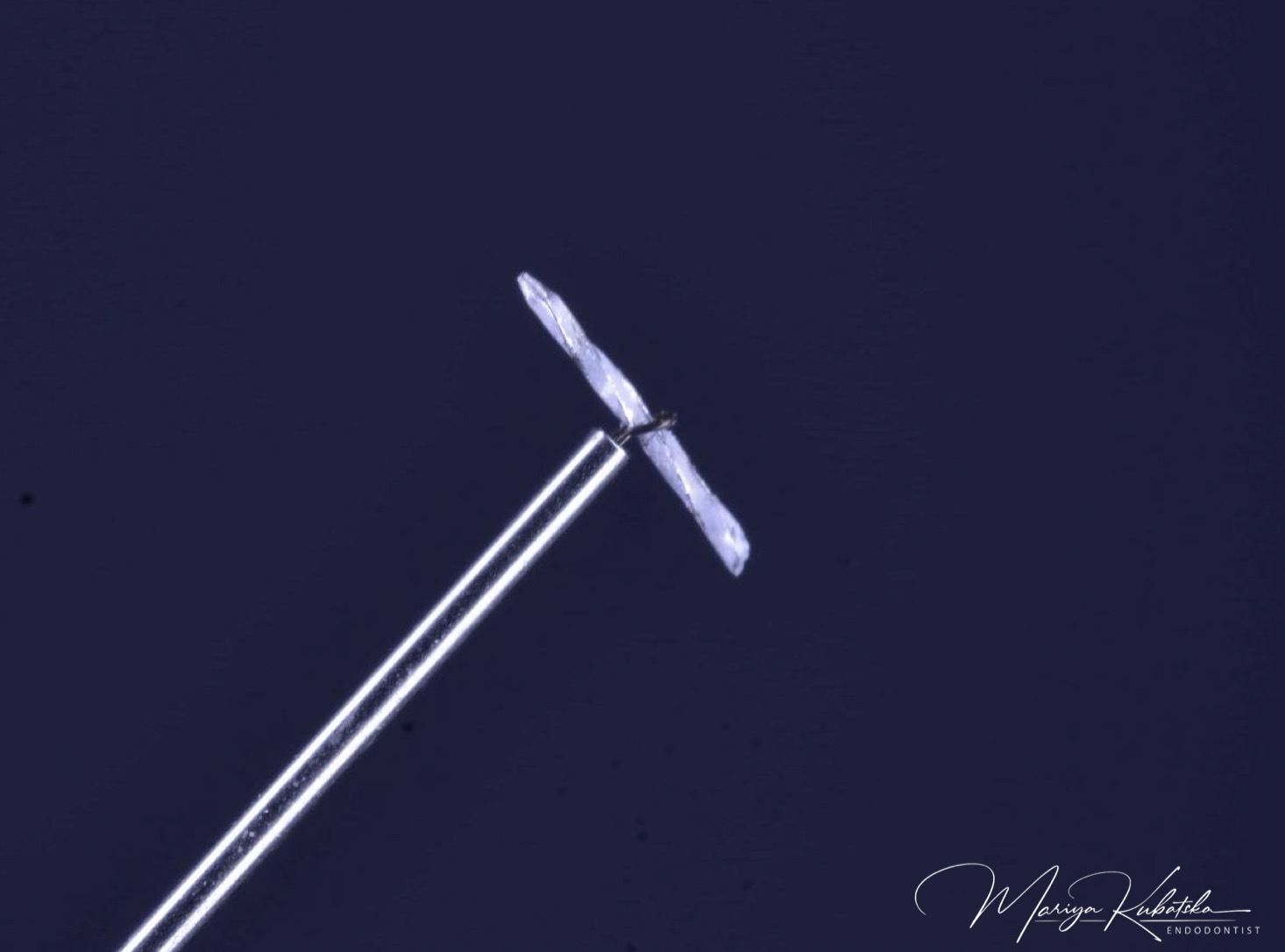
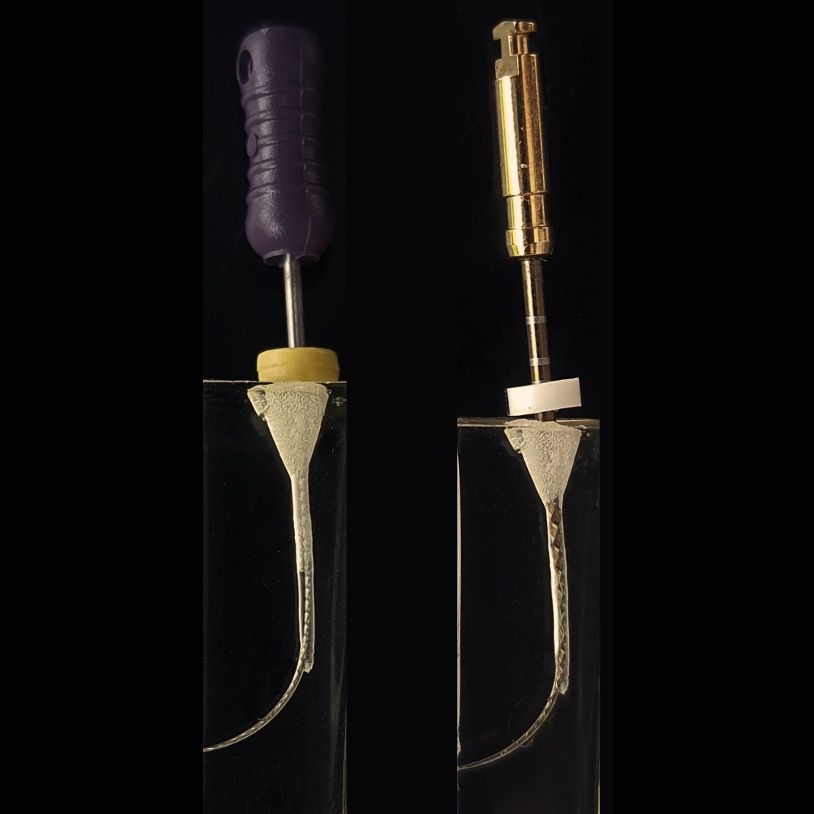
Bending preservation of gutta-percha in lower first premolar with 3 canals
This article clarifies how to to bend gutta-percha cone and preserve this bending even if the temperature of the body can straighten the master cone in deep apical splitting of the canals.
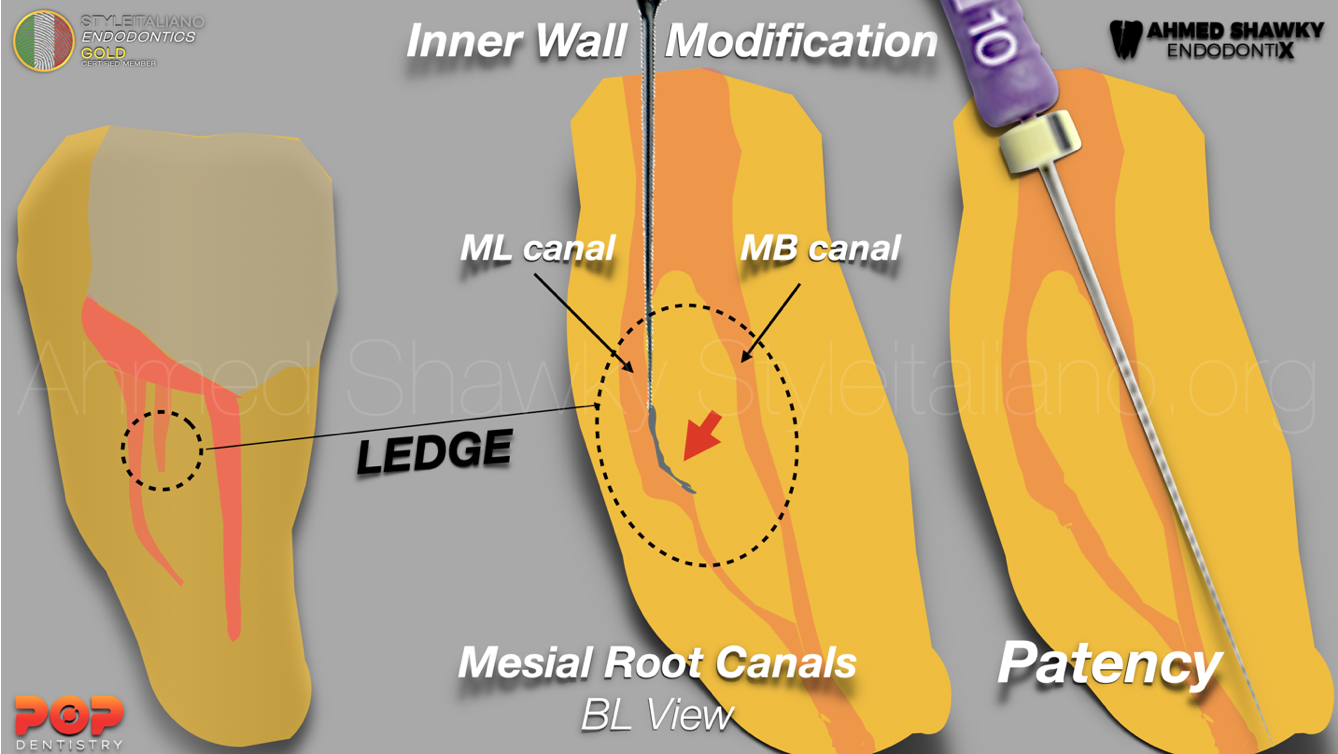
Management of separated instruments in different location
Separation of nickel-titanium instrument during root canal treatment can cause serious complications that may lead to treatment failure. It prevents complete cleaning and filling of the entire root canal space. […]
Essential kit: for majority of the cases
Root canal preparation has been considered the most important step in Endodontic therapy for dentin removal. It is a challenge for even the most experienced Endodontist to achieve optimum cleaning […]
Intracanal aspiration, an useful tool
During a root canal treatment, sometimes we need to remove liquids from the canals, for example during the irrigation procedure, in cases with abundant drainage o before to dry the canals with paper points.
The use of a microcanula connected to the equipment could help us to aspirate inside the canals.
This can be useful even to remove materials from root canal.
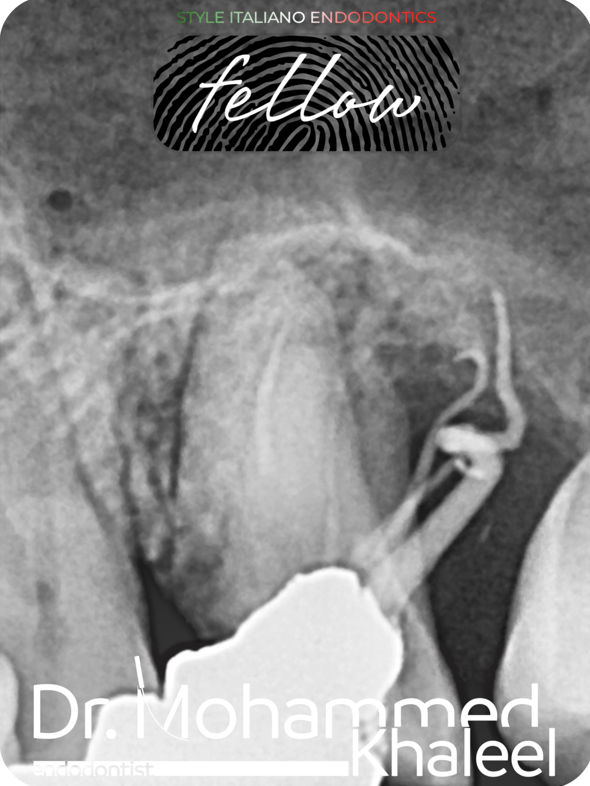
Treatment of an invasive external resorption
To treat correctly external resorptions it is essential to know how to correctly diagnose them.
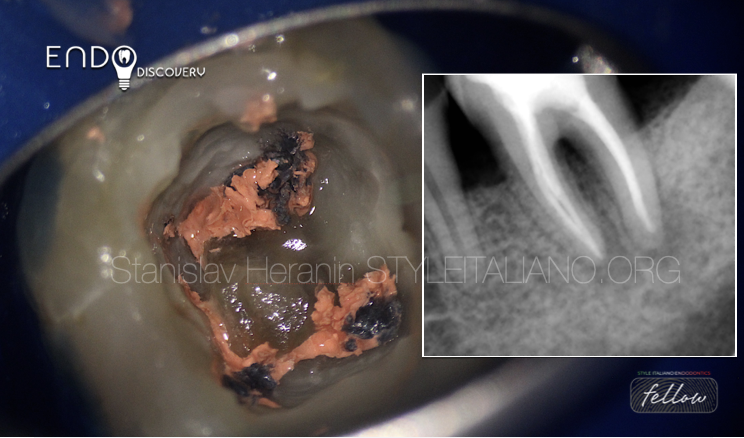
The so called “bioceramics”… Easy to place, less easy to remove!
Calcium silicate based cements have many positive features, however they can be difficult to remove if a retreatment is necessary.
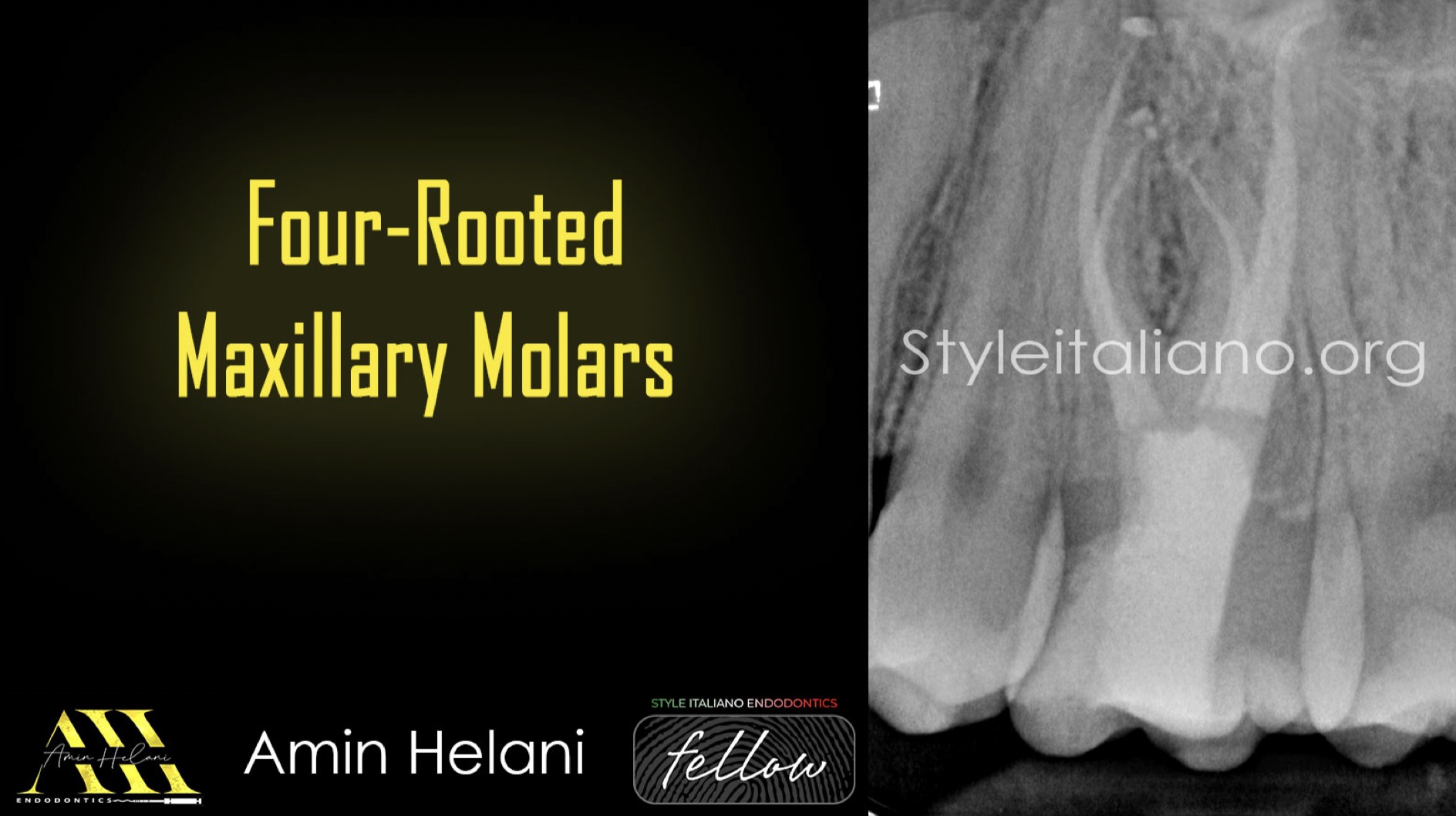
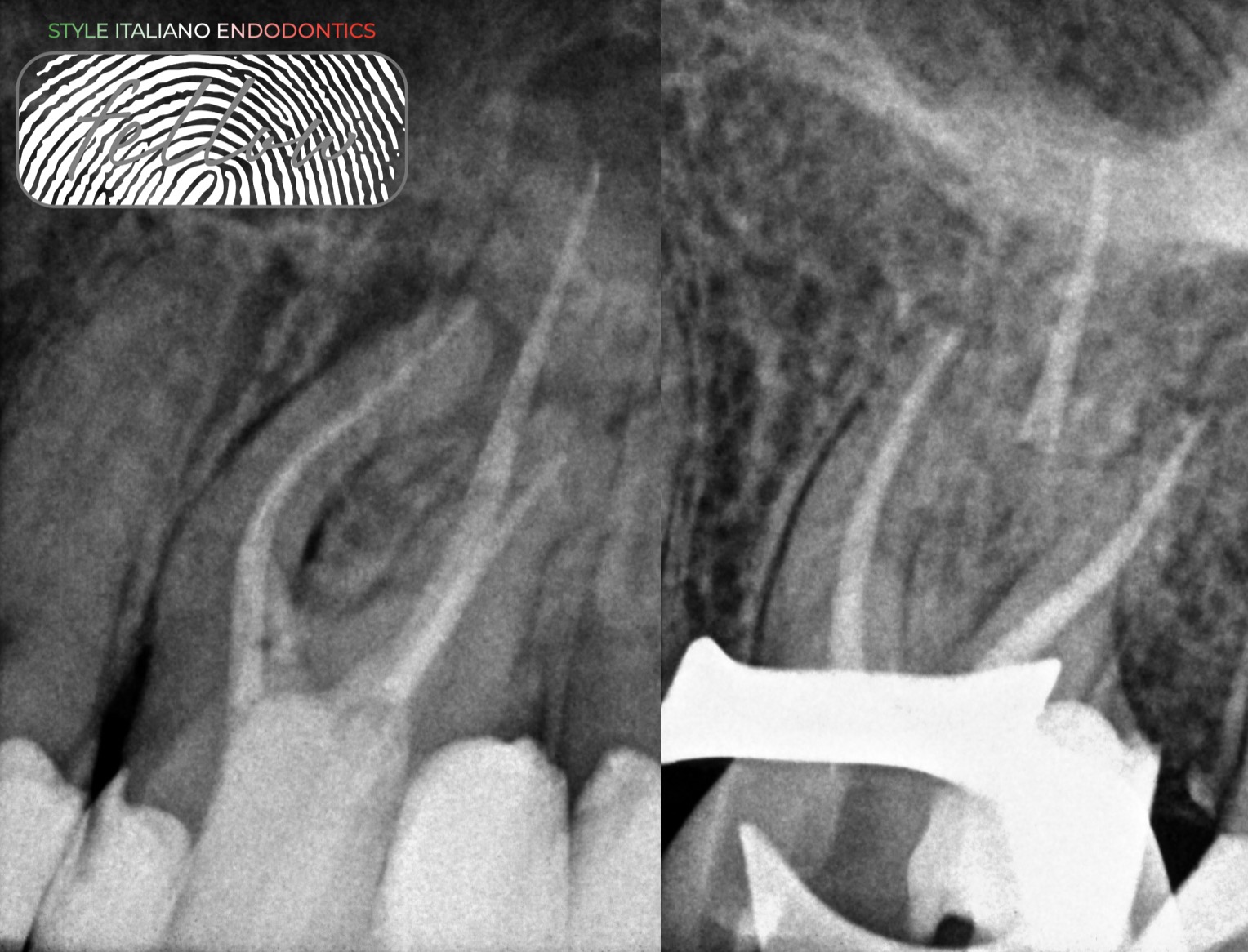
Four canals maxillary second molars
Maxillary molars have one of the most complex root canal anatomies. It is very important for this reason to correctly understand the anatomy before starting endodontic therapy. Correct planning starting from the diagnostic evaluation through the aid of x-rays and CBCT (if necessary) will allow the clinician to formulate a correct endodontic treatment plan and a correct choice of materials and equipment during the access cavity and cleaning and shaping and obturation steps.