Gemination in lower premolars is a very rare condition. This aspect makes it difficult to treat and it should be approached by an endodontist using a microscope to ensure proper debridement, disinfection and obturation.

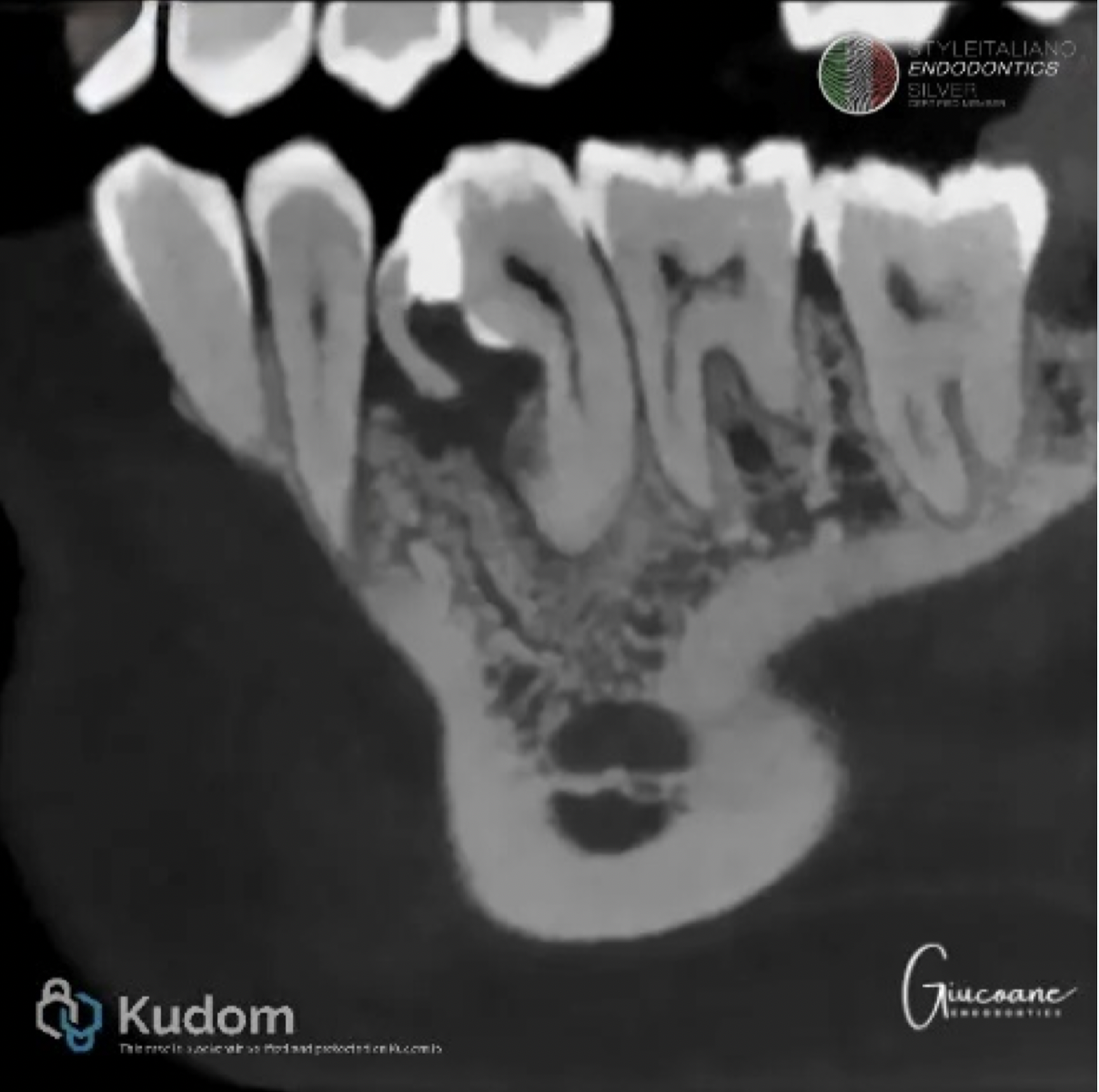 Premolar gemination: a case report
Gemination in lower premolars is a very rare condition. This aspect makes it difficult to treat and it should be approached by an endodontist using a microscope to ensure proper debridement, disinfection and obturation.
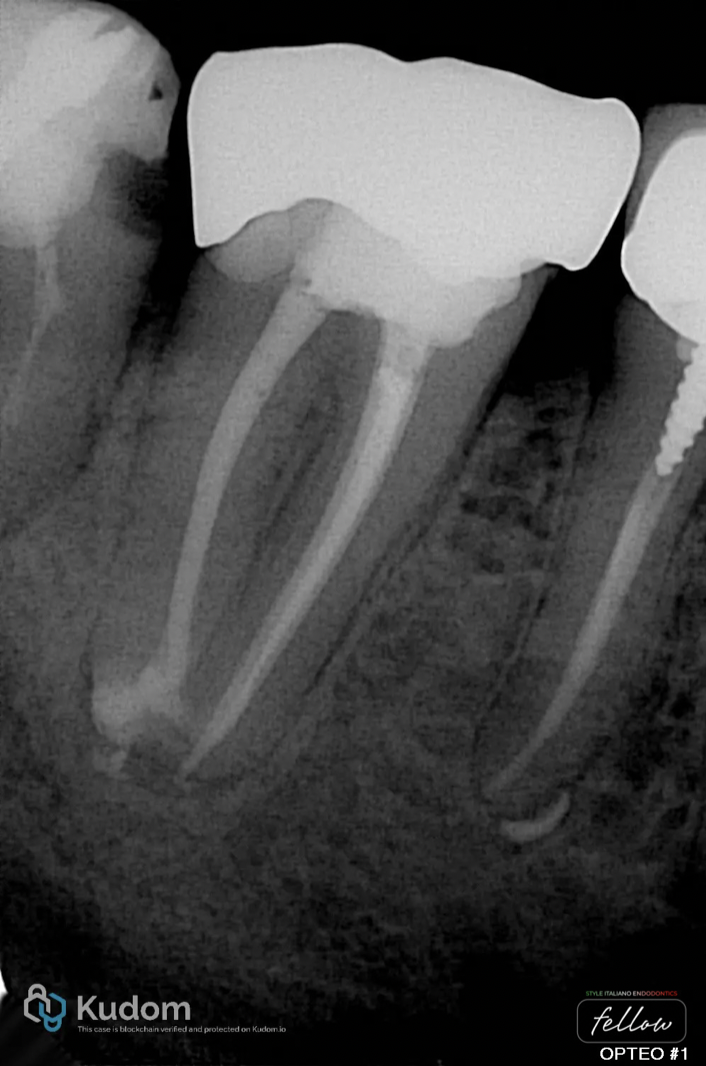 Endodontic Retreatment of a Molar with Complex Anatomy
How a good analysis and a efficient protocol can turn and complex case into success.
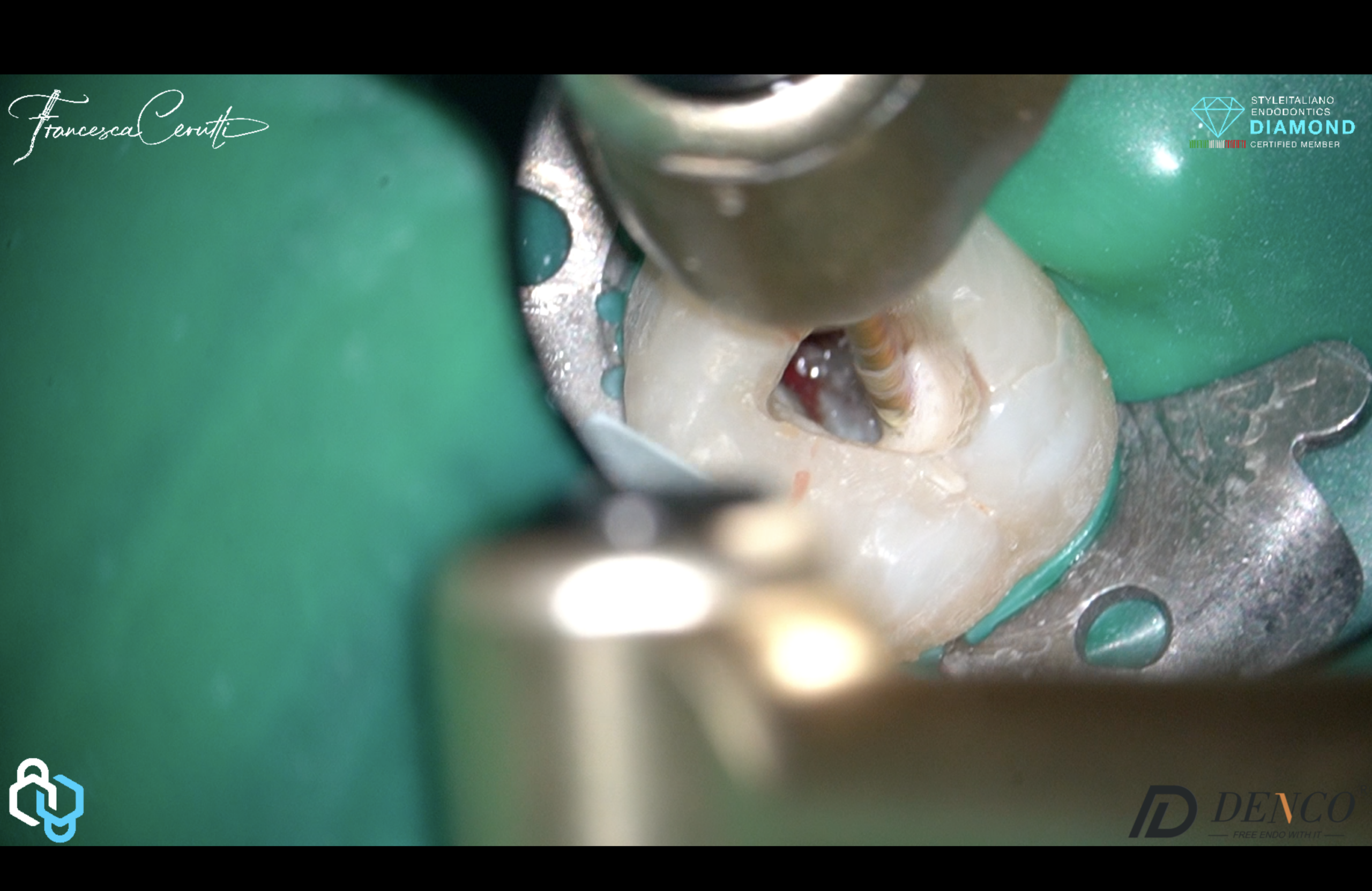 Conservative Shaping of a Maxillary First Molar with Chameleon Dual Shaper
Modern endodontics increasingly demands instruments that combine efficient cutting with respect for dentine and canal anatomy, especially in complex maxillary molars. Chameleon Dual Shaper files by DENCO were developed to […]
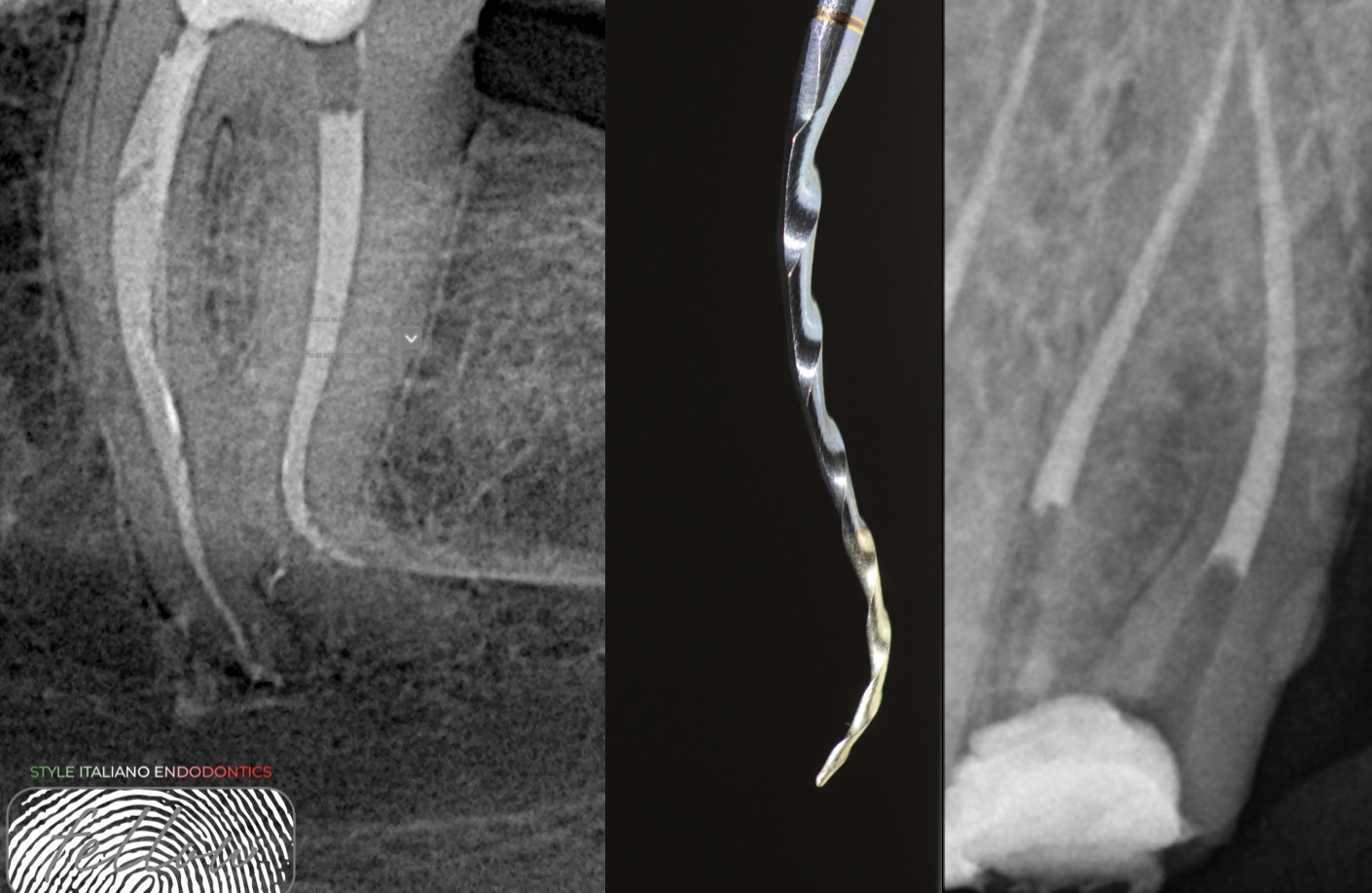 Curvatures, calcifications, long roots: one solution many challenges.
Canal curvatures is a difficult anatomical variation. Calcifications as well. Long roots make treatment complicated. What if all these challenges coincide. We need a simple, feasible and effective protocol to […]
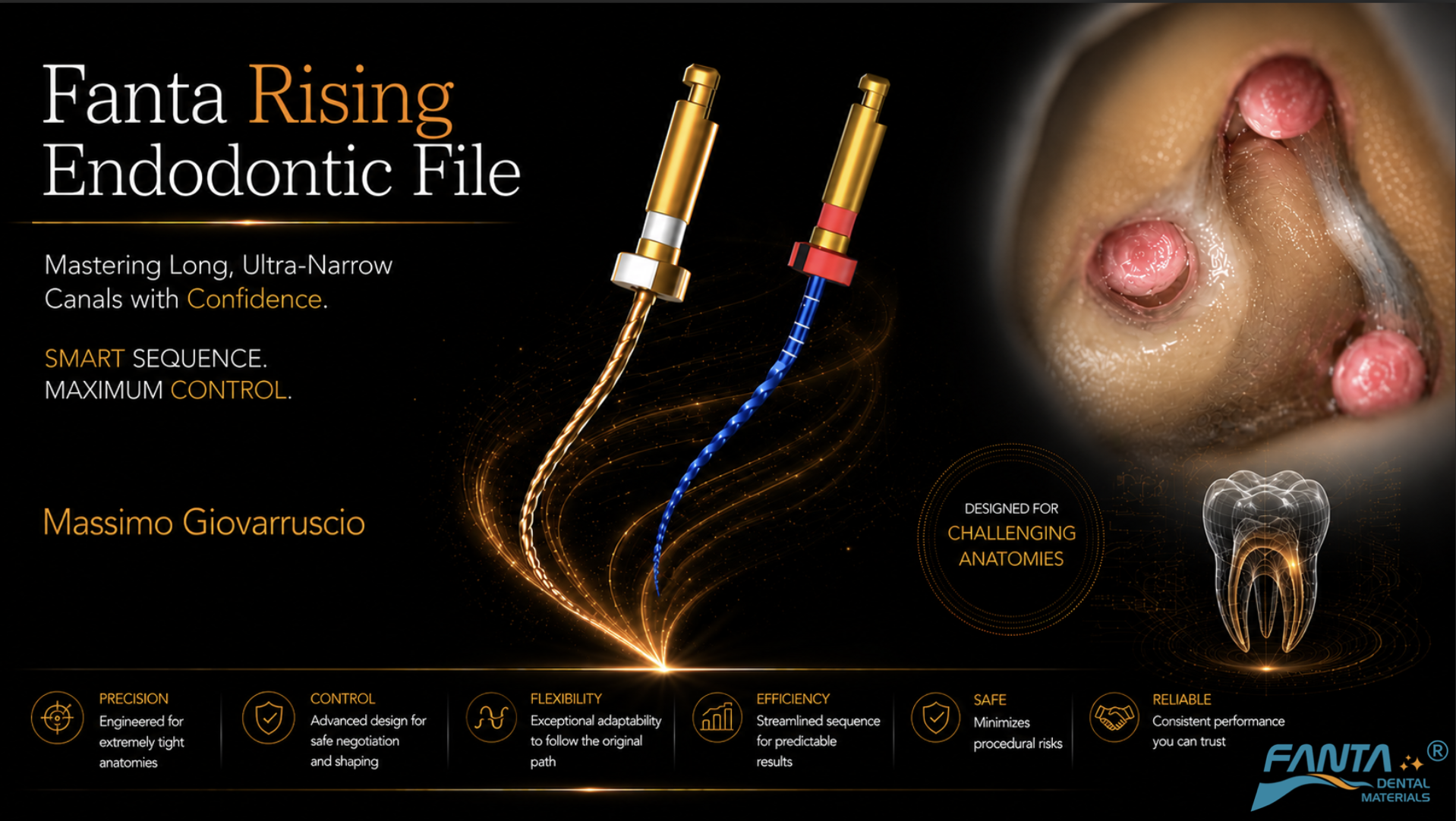 Fanta rising files: Mastering long, ultra-narrow canals with confidence
Introduction Management of long narrow canals remains one of the greatest challenges in modern endodontics. The combination of calcification, reduced canal diameter and limited visibility significantly increases the risk of: […]
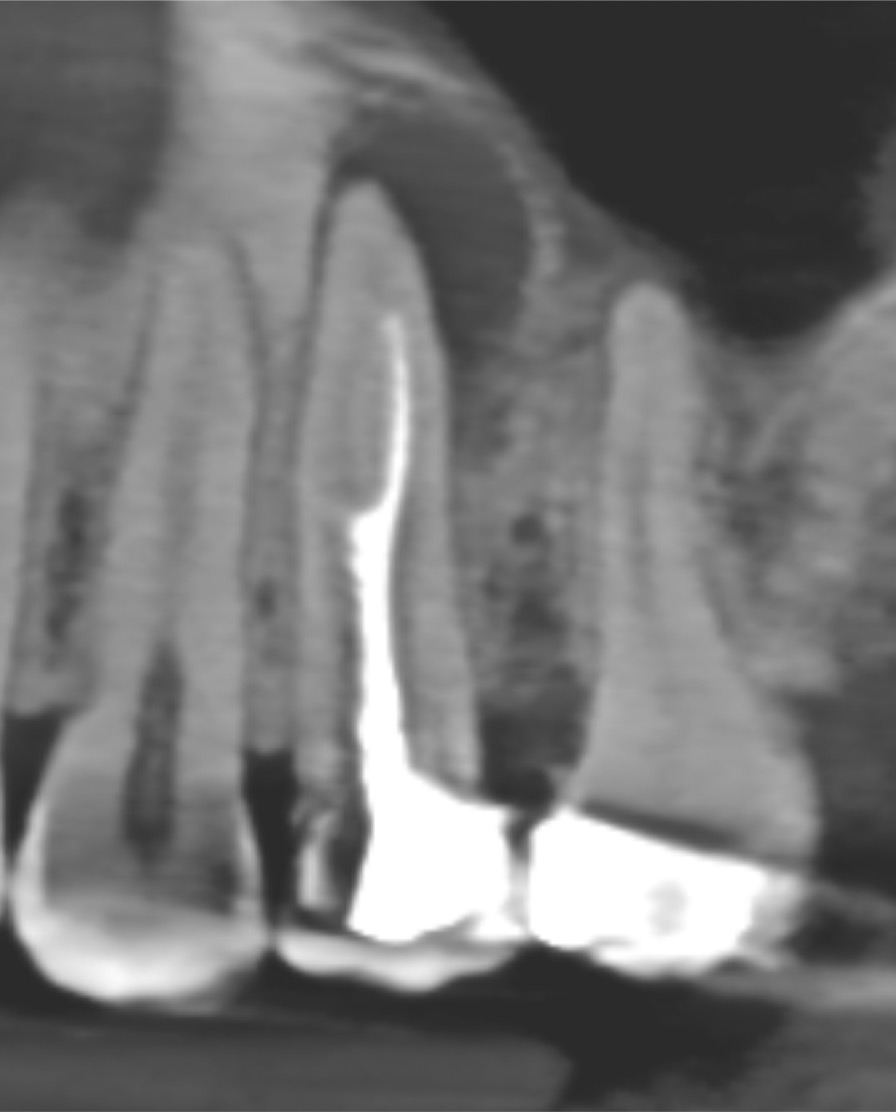 Case report of retreatment of molarized premolar
This article showing the retreatment of molarized premolare upper 5.
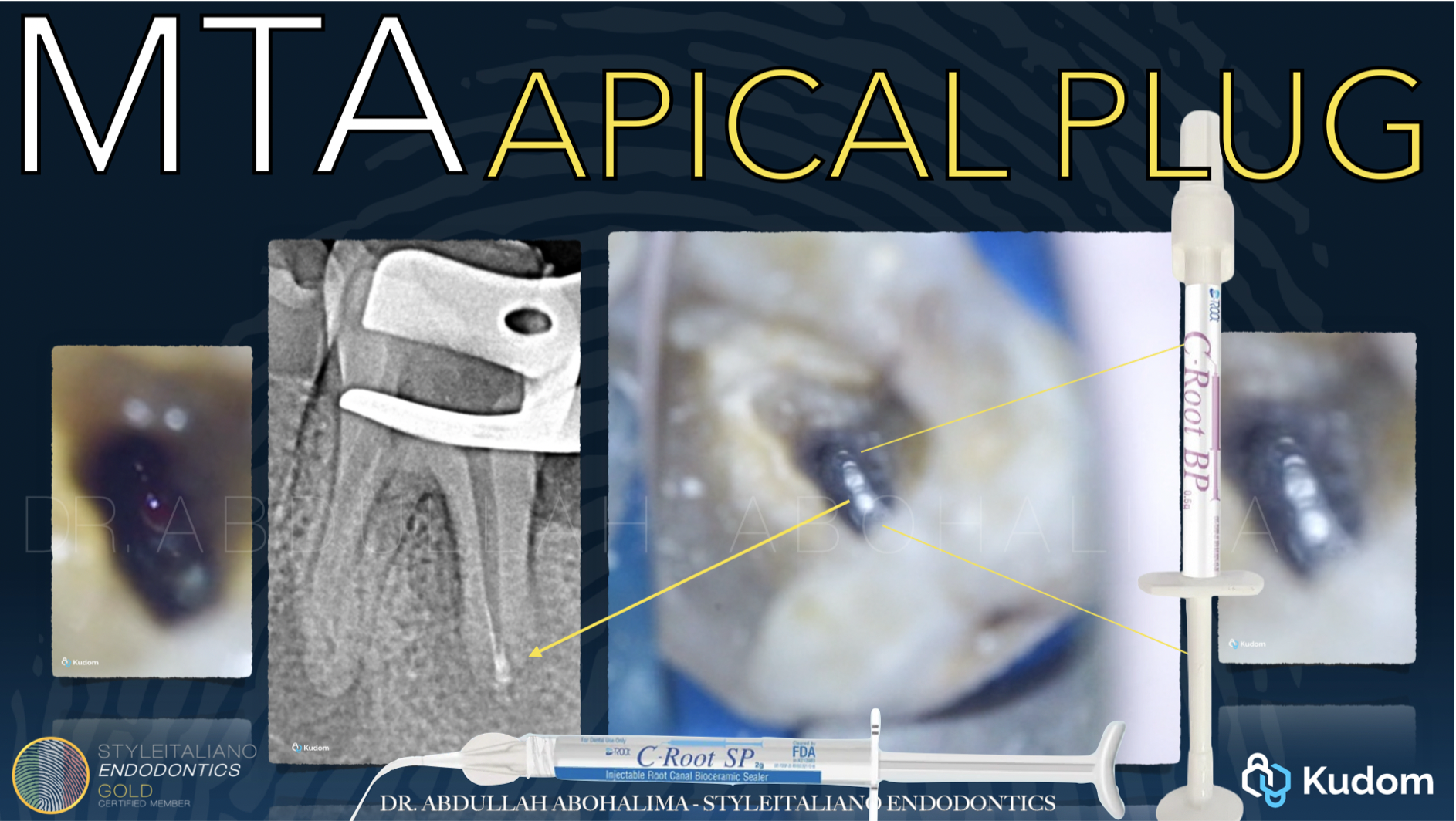 The power of Bioceramics: Management of a Large Periapical Lesion Using Bioceramics material. A Non-Surgical Approach
Non-surgical retreatment of a large periapical lesion using bioceramic materials with complete healing .
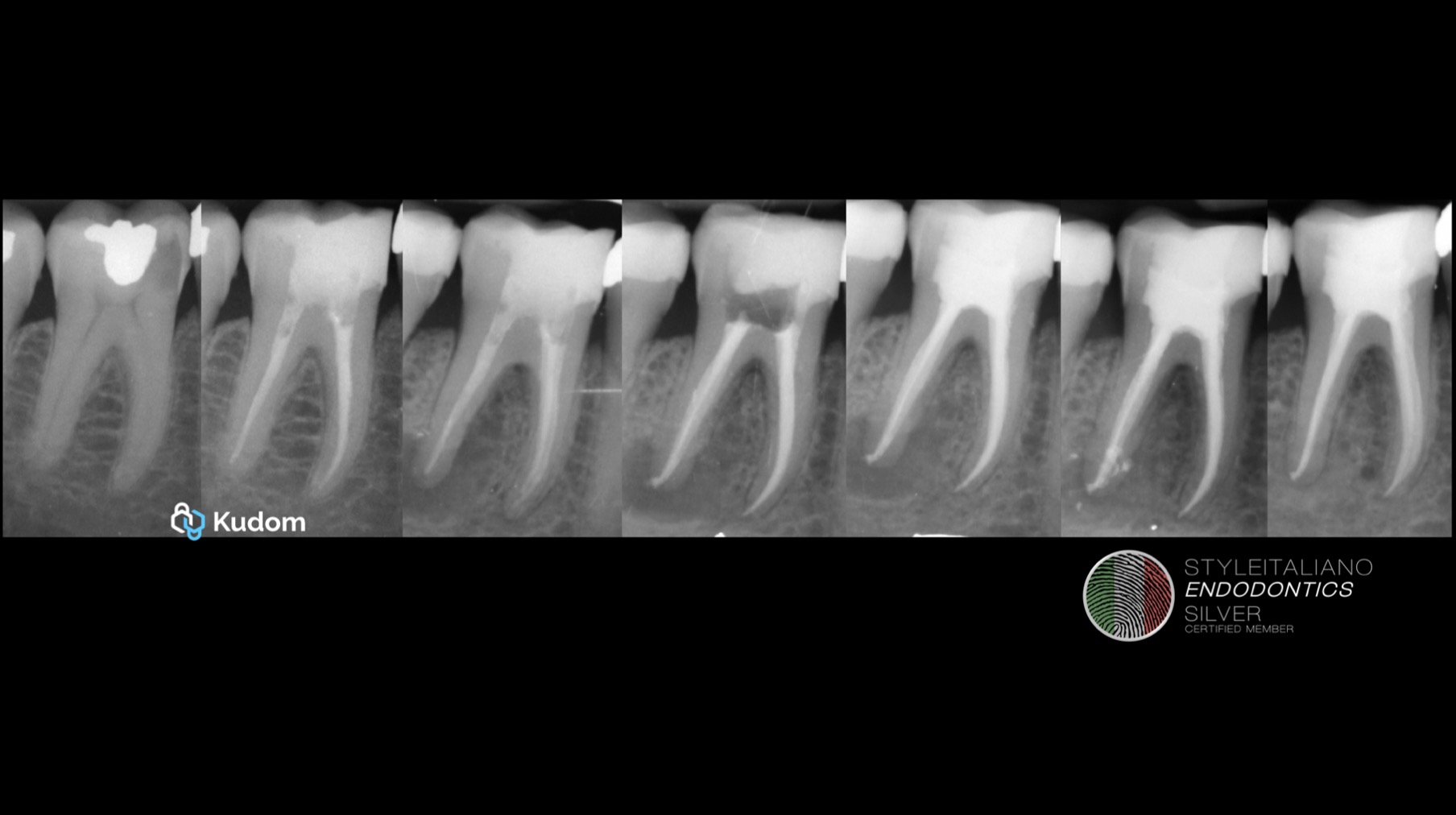 Endodontic retreatment of a molar: a long-term case analysis
Failed primary endodontic treatment led to lesion; retreatment resolved infection and achieved complete healing over 3 years.
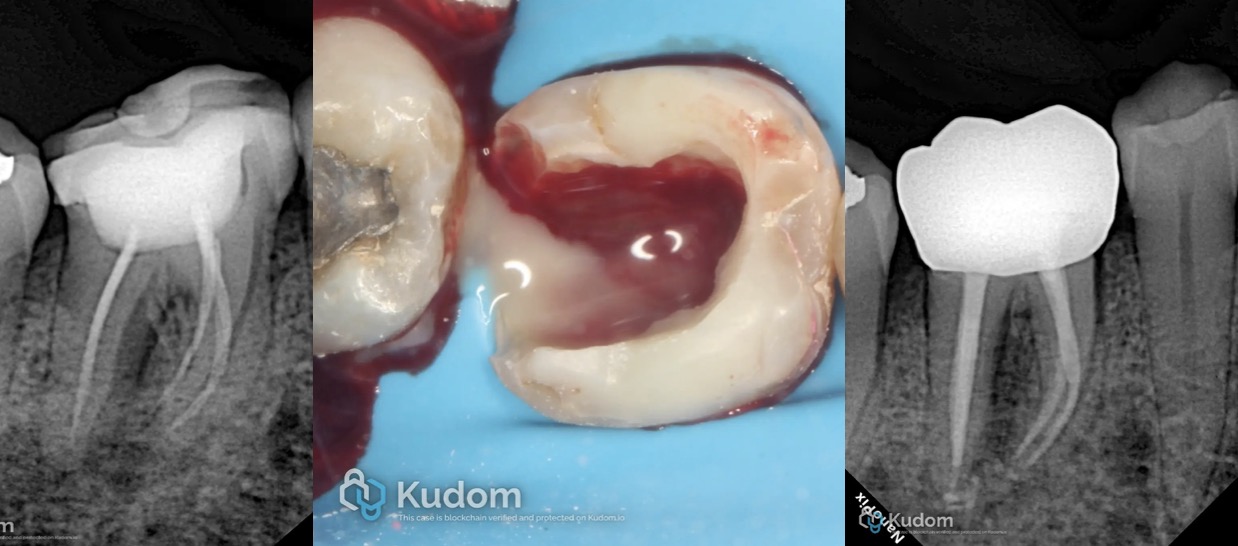 Retreament Lower First Molar With Acute Abcess
Root canal treatment removes infected pulp tissue to eliminate harmful bacteria and prevent future infection inside the root canals. Proper shaping and cleaning of the canals are essential before they […]
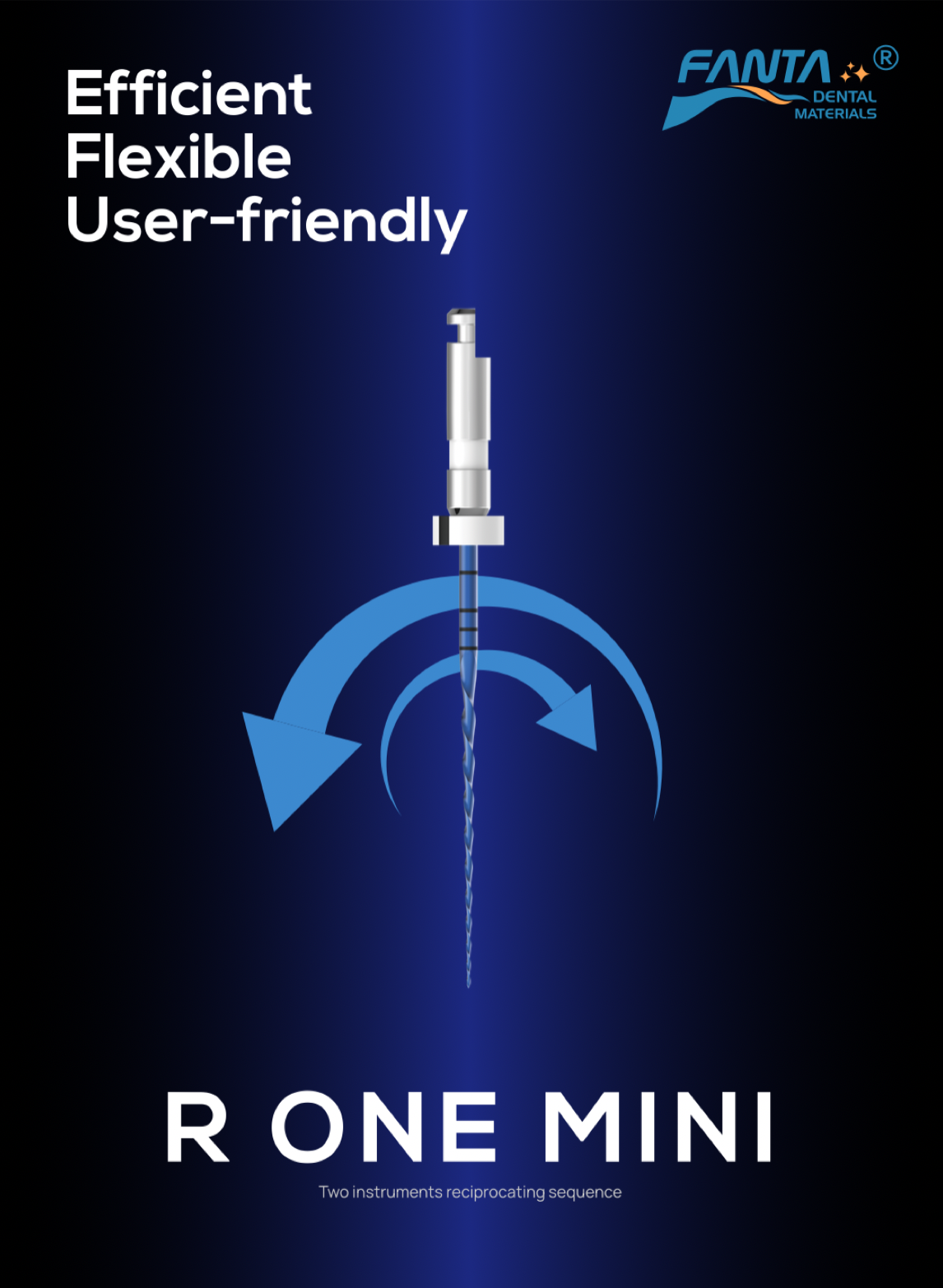 R-One Mini: Simplicity Without Compromise in Endodontics
R-One Mini is a simplified rotary system designed to manage a wide range of endodontic cases while respecting the original canal anatomy. This article presents three clinical cases — from simple to complex anatomy — demonstrating how a minimalistic approach can still provide efficiency, safety, and predictable outcomes. The cases highlight the versatility of the R-One Mini system and its ability to achieve conservative and effective shaping in modern endodontic practice.
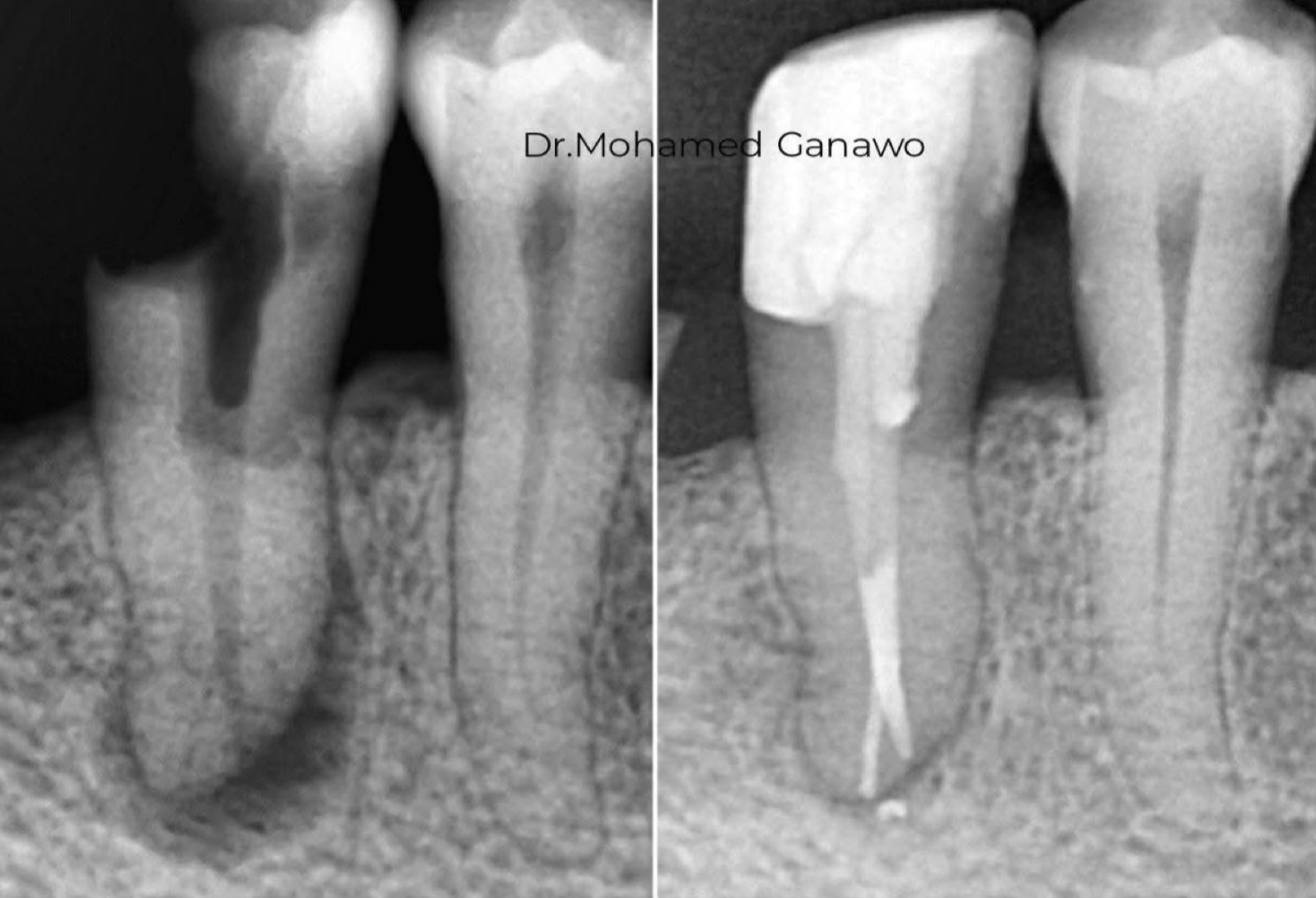 Nonsurgical Repair of a Deep Root Perforation with MTA: Evaluation of Periradicular Healing at 1 Year
Root perforations represent an unfortunate and challenging complication in endodontic therapy, often resulting from iatrogenic deviation during access cavity preparation, post-space formulation, or canal negotiation. A perforation creates an artificial […]
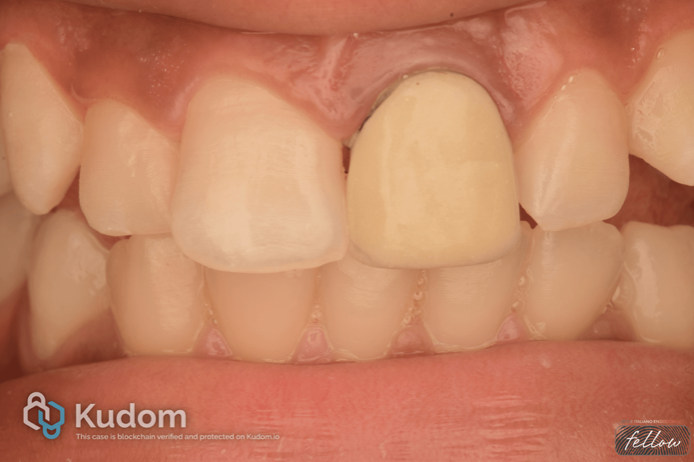 Non-surgical Endodontic Retreatment of a Failed PFM-Crowned Immature Maxillary Central Incisor with Open Apex
A Comprehensive Clinical Protocol From Diagnosis of Failure to Aesthetic Composite Rehabilitation.
Endodontic failure in immature permanent teeth presenting with open apices poses a significant clinical challenge, compounded further when gross over-obturation, coronal leakage, and intrinsic discoloration coexist. This article describes the non-surgical retreatment of a maxillary left central incisor in a 14-year-old female patient who presented with a chronically failing, PFM-crowned tooth exhibiting a clinically detectable open margin, a draining sinus tract, a history of recurrent swelling, periapical pathology, an incompletely formed apex (open apex), and gross over-obturation of approximately 5–6 mm beyond the radiographic apex.