Search results

A goal in the hole

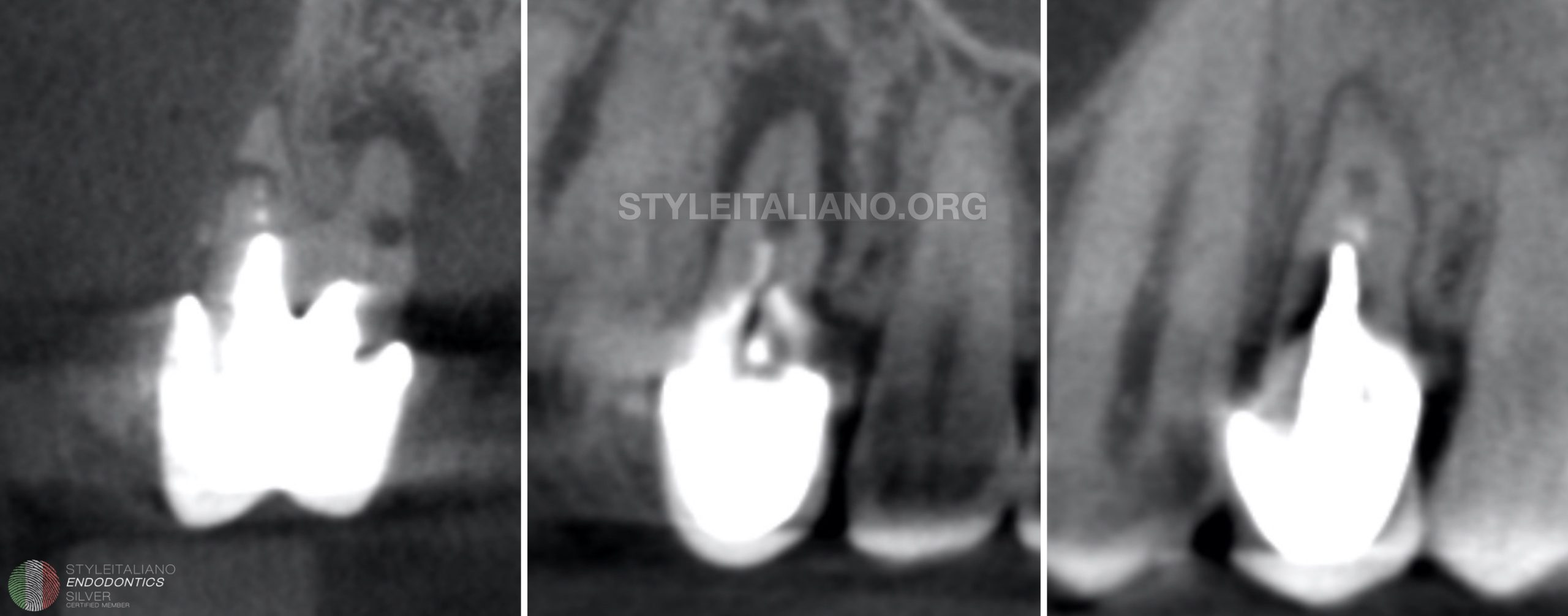
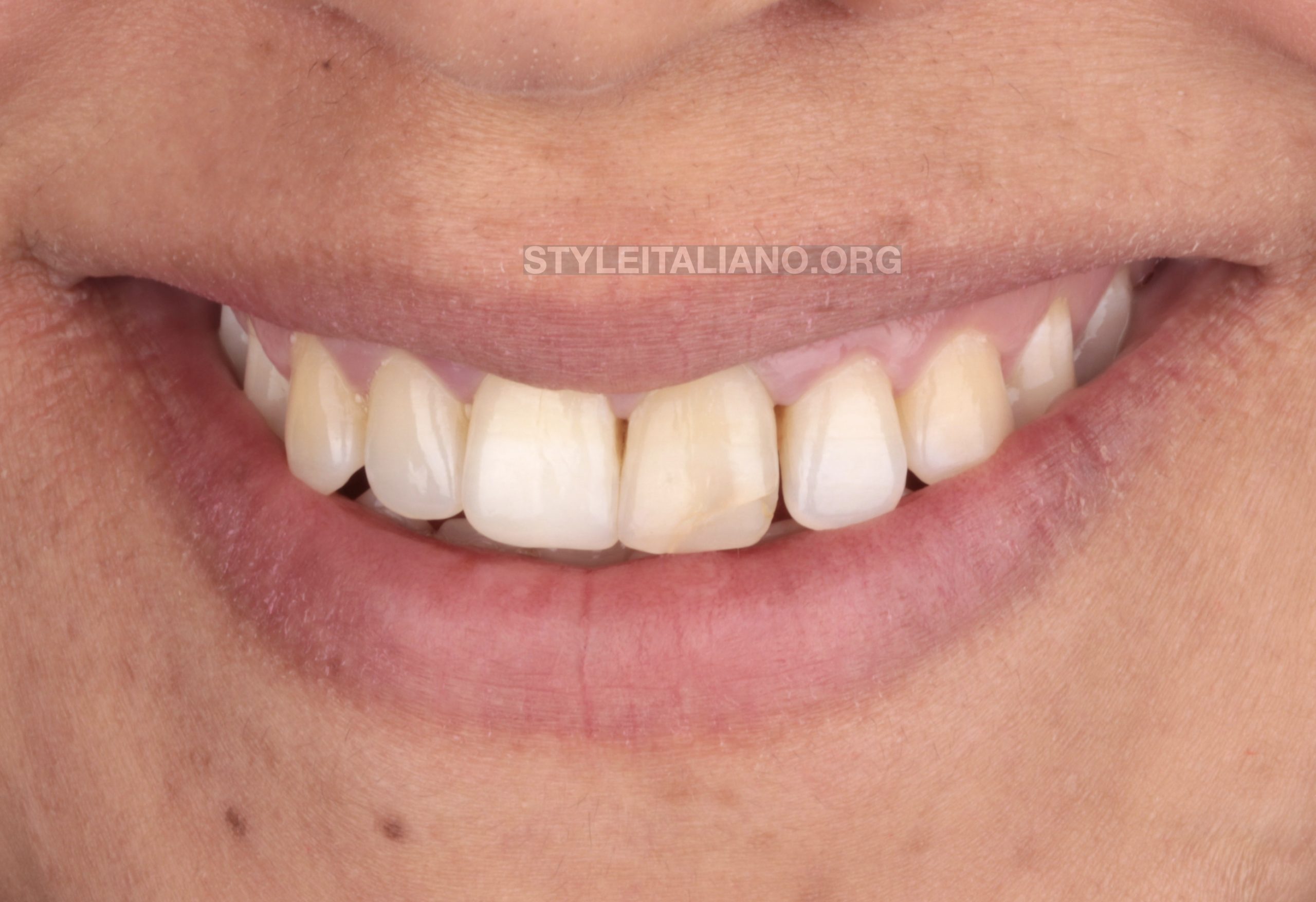
The main goal of endodontic treatment is the treatment and/or prevention of peri-radicular periodontitis aiming for a long term disease-free survival. The presence of any form of communication between the pulp space and the periodontist and/or the oral cavity will lead eventually to development or recurrence of peri-radicular disease which will prevent the clinician from […]
Read More
Necrodontics - saving hopeless teeth

Both non-surgical and surgical retreatment procedures are performed when the primary treatment fails and we are trying to preserve the tooth. Usually the next attempt after the primary treatment is non-surgical retreatment and follow up. In some cases when we estimate that non-surgical procedures will not be helpful we can perform surgical retreatment with apicectomy.  […]

Read More
Three Years Follow-up of Large Lesion Treated With MTA Apical Plug

The goal of Endodontic treatment is to cure or prevent apical periodontitis (Ørstavik & Pitt Ford 2008). Endodontic treatment does not end when the root canal being filled, but when having favourable outcomes of the treatment upon reviewing (Reit 1986), which can be achieved by the infection control management through the root canal procedure (Basrani […]

Read More
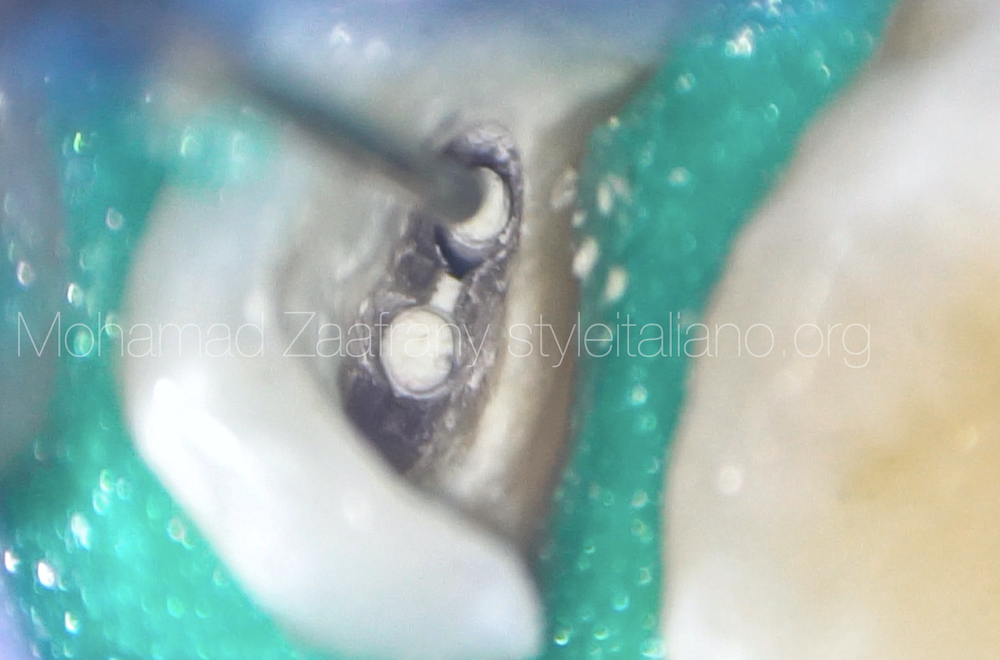
Management of Iatrogenic Furcal Perforation in tooth with obliterated root canal

Perforation is a pathologic or iatrogenic communication between root canal system and the supporting tissues of teeth or the oral cavity. Root perforations are common complications of endodontic treatment or post preparation and often lead to tooth extraction. Iatrogenic root perforations occur in approximately 2‑12% of endodontically treated teeth. Successful treatment depends mainly on immediate […]

Read More
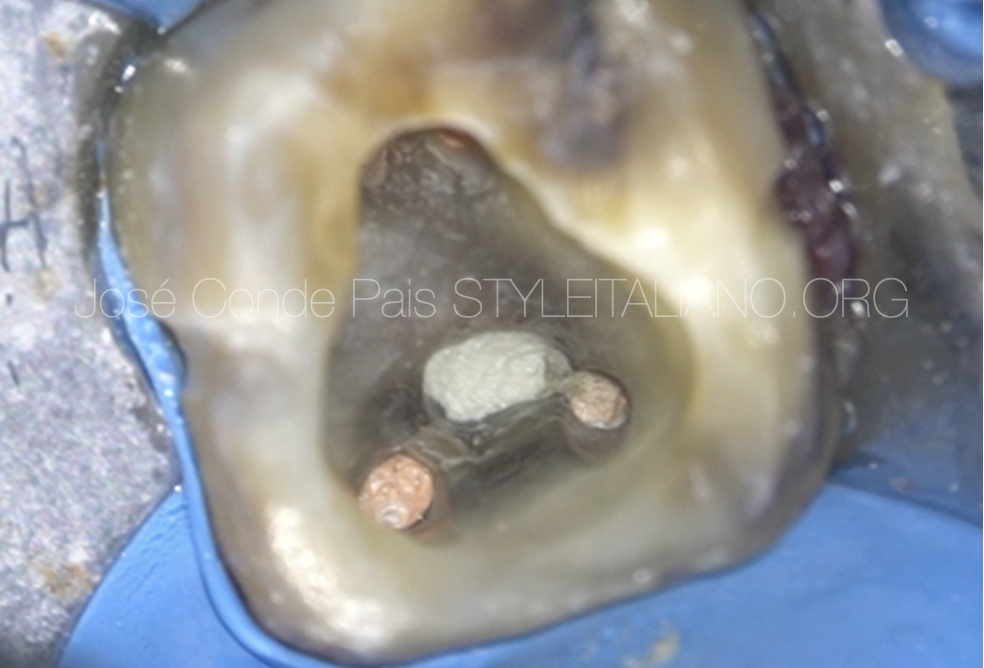
Root perforation management

This article is a short summary and a guideline for all dentists who want to manage different types of root perforation in an easy and predictable way. This article will emphasize the importance of the diagnosis and accessories that will be helpful during the treatment.   Root perforations are one of the common complications that […]

Read More
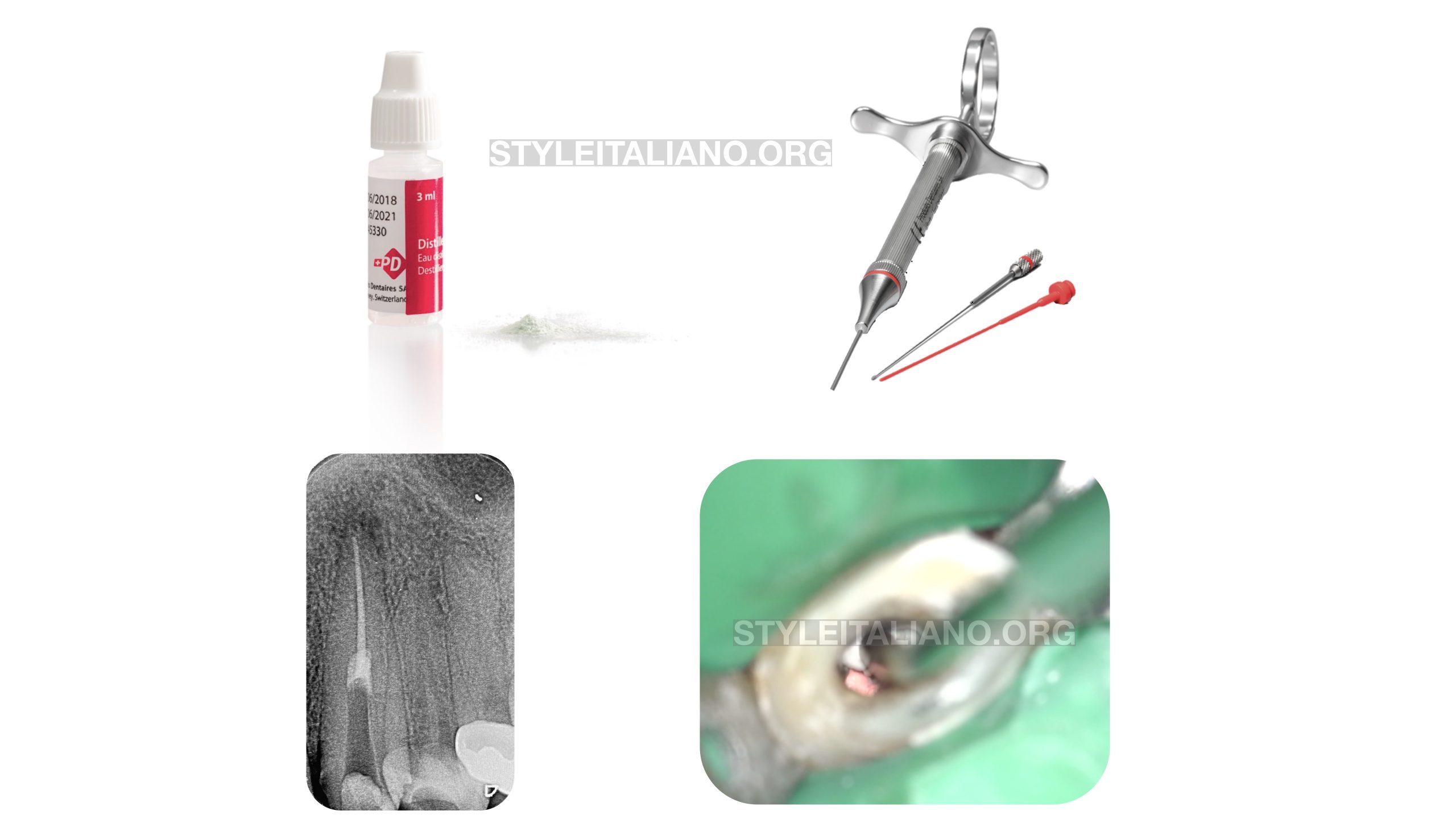
Non surgical retreatment after surgical treatment of a maxillary central incisor

Nowadays in our practices we can witness a lot of unsuccessful RCT. Sometimes we also can see surgical treatments which are failing . When planning the treatment we should keep in mind that not always surgical treatment means more aggressive treatment and that also surgical treatment can fail. Very often in our practices we have […]

Read More
An external cervical resorption managed with MTA: 5 years follow up

In this article it will be explained how to manage an external cervical resorption with MTA. A five years follow up will demonstrate that MTA was the right choice in terms of biocompatibility and sealing performance. External resorption originates in the PDL and is identified thanks to an irregular radiolucent area overlying the root canal. External […]

Read More
Step by step management of necrotic immature tooth

Obturation and filling to the root canal system is considered the last step of pulp space treatment. Providing a 3D filling to root canal space and adapting intracanal filling material to cleaned surfaces is required for long term success of the treatment to prevent reinfection. Using MTA as an artificial barrier and apical filling material […]

Read More
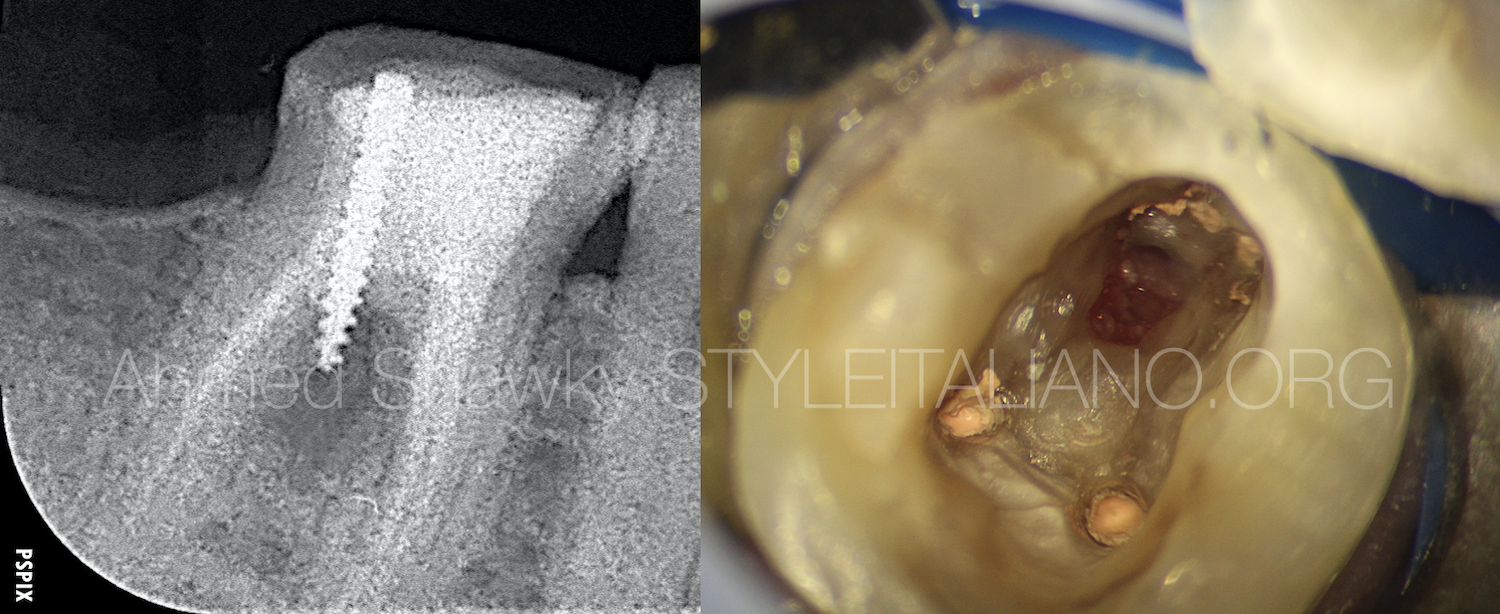
Management of iatrogenic root perforations: a case report

Iatrogenic perforation can occur during different steps of the endodontic treatment which can be challenging or compromised with this procedural mishap. The purpose of this article is to report and present the nonsurgical approach to manage root perforations, located in the pulp chamber.   Root perforation is a mechanical, iatrogenic, or pathologic communication between the […]

Read More
Revascularization - 6 years follow up

One of the main objective in case of incomplete root formation is to re-establish the blood flow allowing the continuation of the root development. Nowadays, the revascularization technique is an alternative to the traditional apexification using calcium hydroxide for a period of time in order to induce a formation of calcified apical barrier .  Infection […]

Read More
The Sandwich Technique: A Convenient and Predictable method for Root Perforation Repair

Root perforations are defined as communications between the root canal space and the periodontium. These communications may be caused by a pathological process (as: external or internal resorption) or as a result of an iatrogenic error (as: misdirection/improper size of the post space drill, drilling through the chamber floor or improper root canal instrumentation)1. According […]

Read More
Mid-Root Perforation Repair : A Case Report

Endodontic perforation is an iatrogenic procedural error defined as a communication between the root canal system and the periodontal attachment apparatus through the root canal walls. This defect may occur on any  given tooth at any stage of root canal therapy, from access cavity to post space preparation.   Same day Emergency appointment of a 45 year old […]

Read More

Categories

crossmenuchevron-down linkedin facebook pinterest youtube rss twitter instagram facebook-blank rss-blank linkedin-blank pinterest youtube twitter instagram