Periapical lesions develop as a result of invasion of microorganisms or their toxins from necrotic pulp tissue in the periapical tissue, leading to acute or chronic inflammation. It has been […]

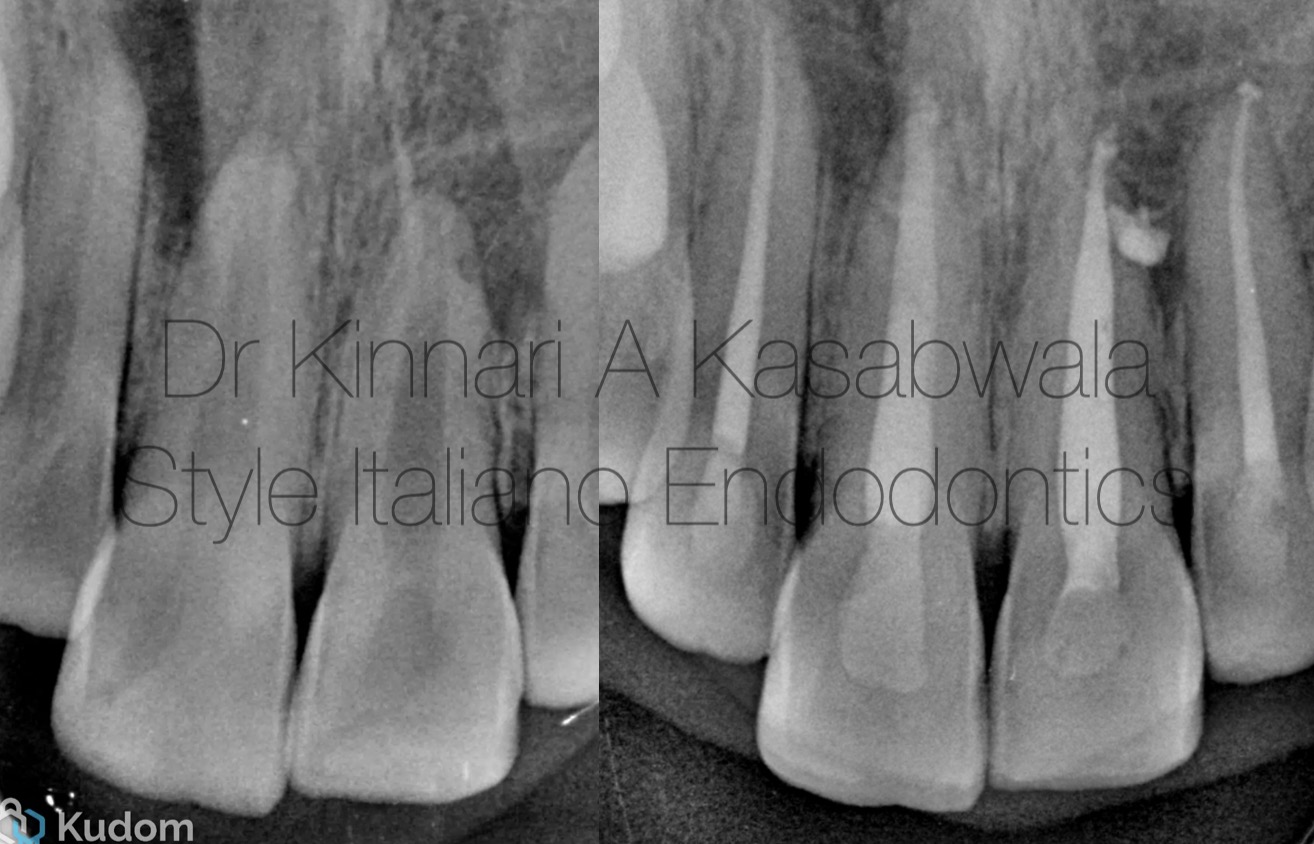 Non-surgical healing of a large periapical lesion in maxillary anterior region
Periapical lesions develop as a result of invasion of microorganisms or their toxins from necrotic pulp tissue in the periapical tissue, leading to acute or chronic inflammation. It has been […]
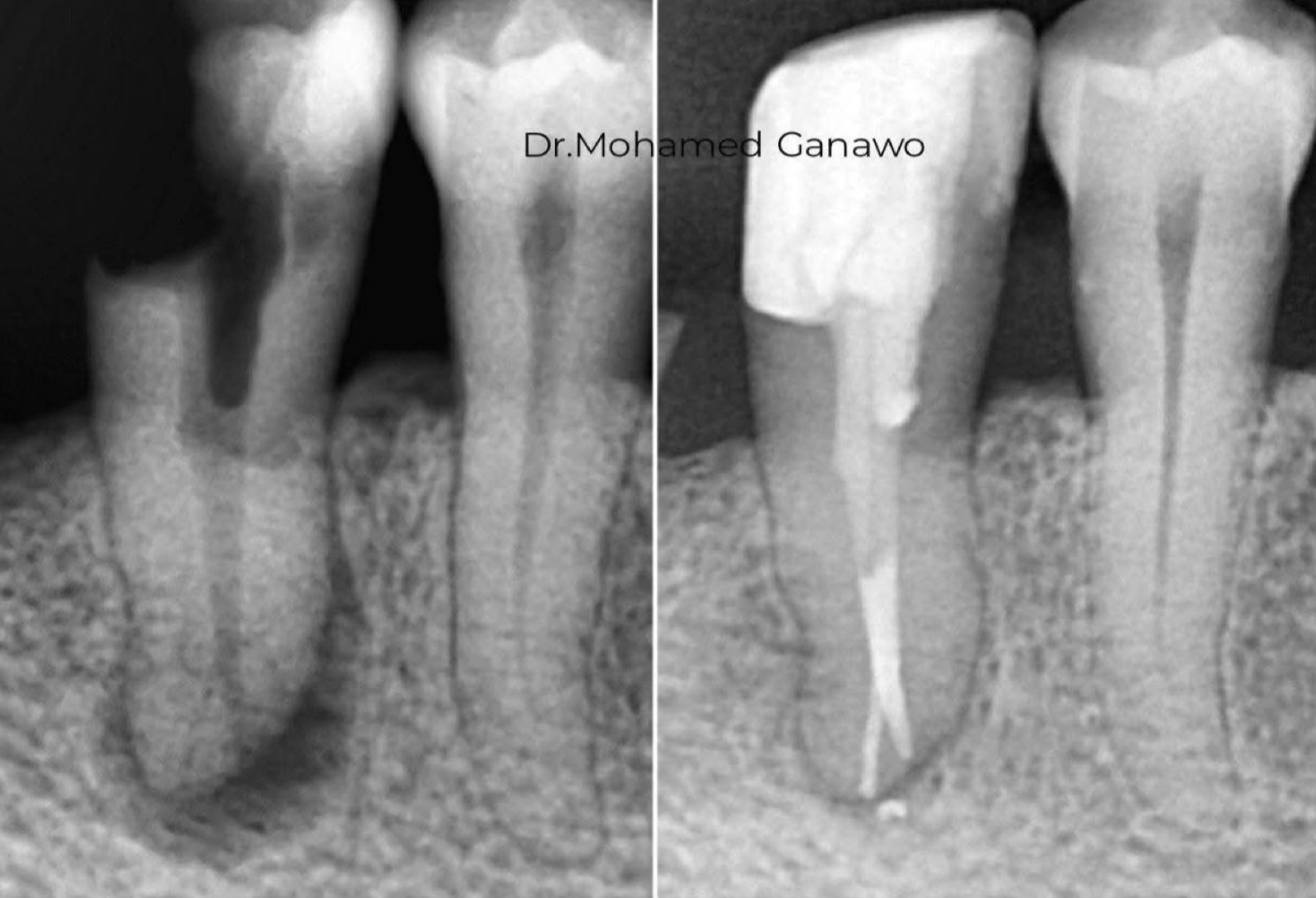 Nonsurgical Repair of a Deep Root Perforation with MTA: Evaluation of Periradicular Healing at 1 Year
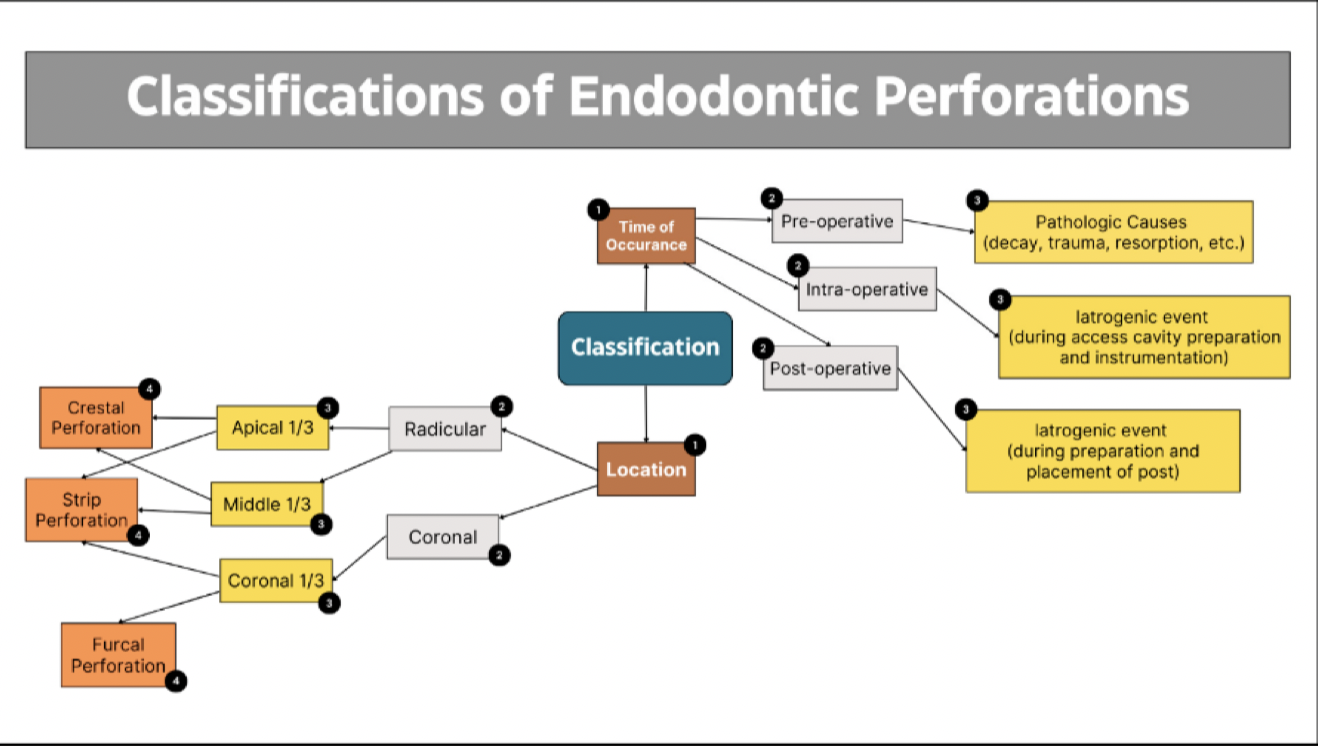
Root perforations represent an unfortunate and challenging complication in endodontic therapy, often resulting from iatrogenic deviation during access cavity preparation, post-space formulation, or canal negotiation. A perforation creates an artificial […]
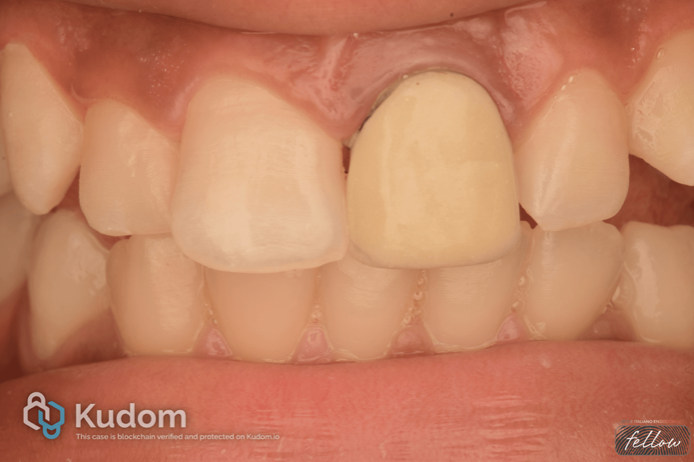 Non-surgical Endodontic Retreatment of a Failed PFM-Crowned Immature Maxillary Central Incisor with Open Apex
A Comprehensive Clinical Protocol From Diagnosis of Failure to Aesthetic Composite Rehabilitation.
Endodontic failure in immature permanent teeth presenting with open apices poses a significant clinical challenge, compounded further when gross over-obturation, coronal leakage, and intrinsic discoloration coexist. This article describes the non-surgical retreatment of a maxillary left central incisor in a 14-year-old female patient who presented with a chronically failing, PFM-crowned tooth exhibiting a clinically detectable open margin, a draining sinus tract, a history of recurrent swelling, periapical pathology, an incompletely formed apex (open apex), and gross over-obturation of approximately 5–6 mm beyond the radiographic apex.
 Microscope-Guided Minimally Invasive Repair of Root Perforations in Endodontic Retreatment
Iatrogenic perforations represent one of the most biologically challenging complications encountered in endodontic practice, particularly when they occur at the pulpal floor of molar teeth. These defects compromise the structural and biological integrity of the root canal system, establishing a direct pathway for microbial ingress into the periodontal tissues and significantly influencing prognosis if not managed appropriately.
Contemporary endodontics has evolved from traditional, often aggressive approaches to a more conservative, biologically driven philosophy that emphasises preservation of tooth structure and optimisation of healing. Within this context, minimally invasive repair strategies—supported by advanced biomaterials and enhanced visualisation—have redefined the management of such complications.
This chapter presents a detailed clinical narrative of a referred mandibular first molar (tooth 36) exhibiting a pulpal floor perforation, managed using mineral trioxide aggregate (MTA) delivered with precision through the appropriate system. Emphasis is placed on the role of magnification, controlled material placement, and adherence to the principles of corrective root canal therapy. The clinical workflow, biological rationale, and key procedural considerations are explored in depth, supported by current evidence and contemporary clinical insights.
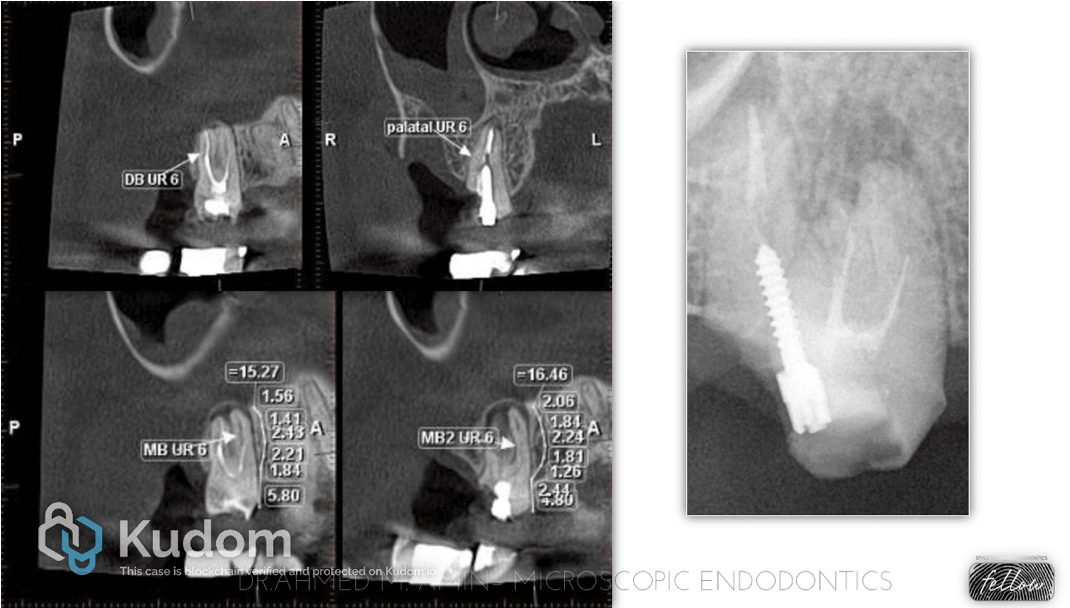 Retreatment of badly decayed tooth with multiple mishaps
In the world of endodontics, the line between a routine procedure and a clinical "detour" can be incredibly thin. Whether it’s a stubborn calcified canal or an unexpected instrument fracture, mishaps are less a sign of incompetence and more a reflection of the biological and anatomical complexities we face daily.
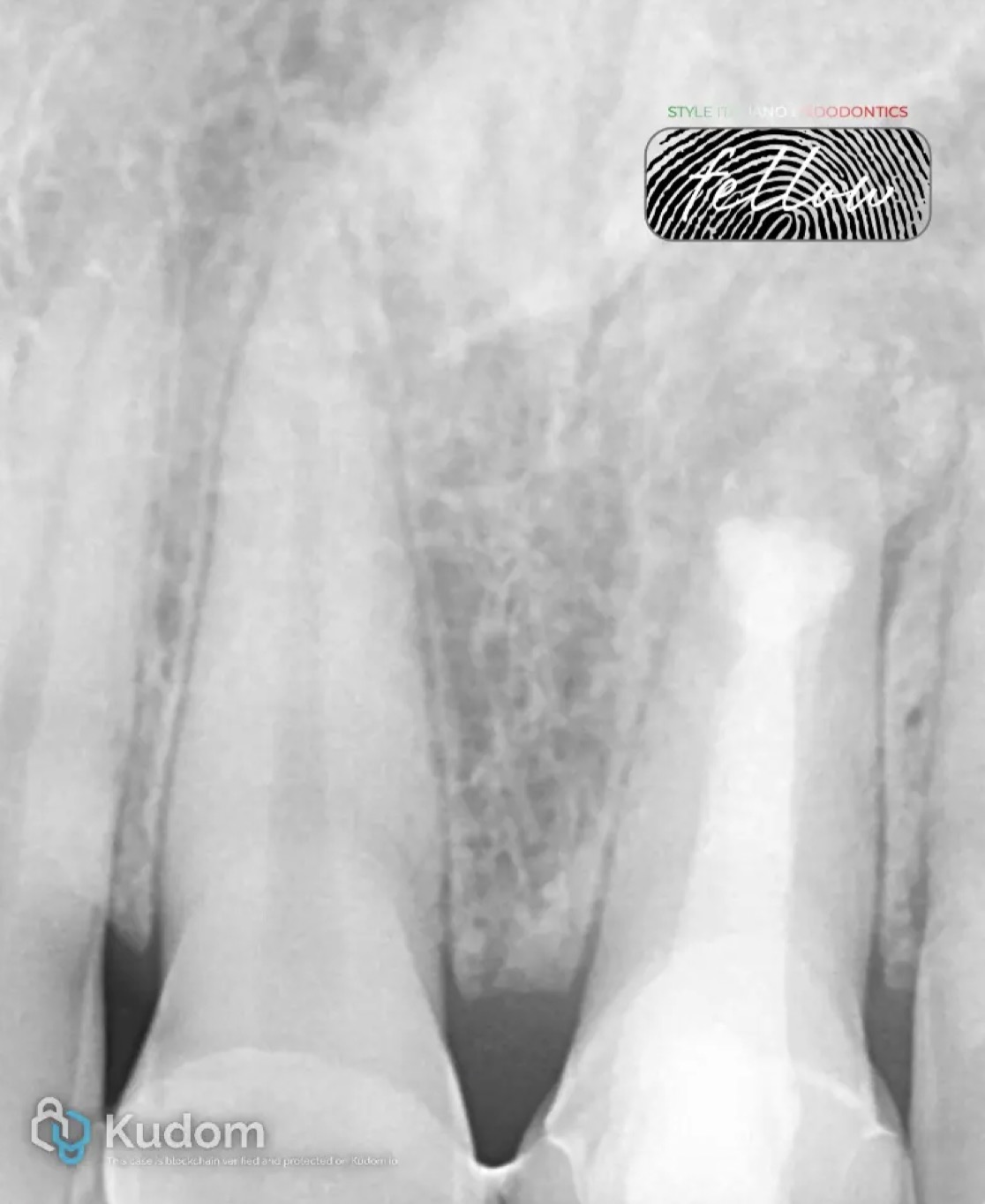 Endodontic retreatment with MTA Apexification in a maxillary central incisor with inflammatory root resorption and open apex- A case report
The major challenge associated with endodontic treatment of teeth with open apices is achieving a three-dimensional fluid-tight seal of the root canal system. In the absence of a natural apical […]
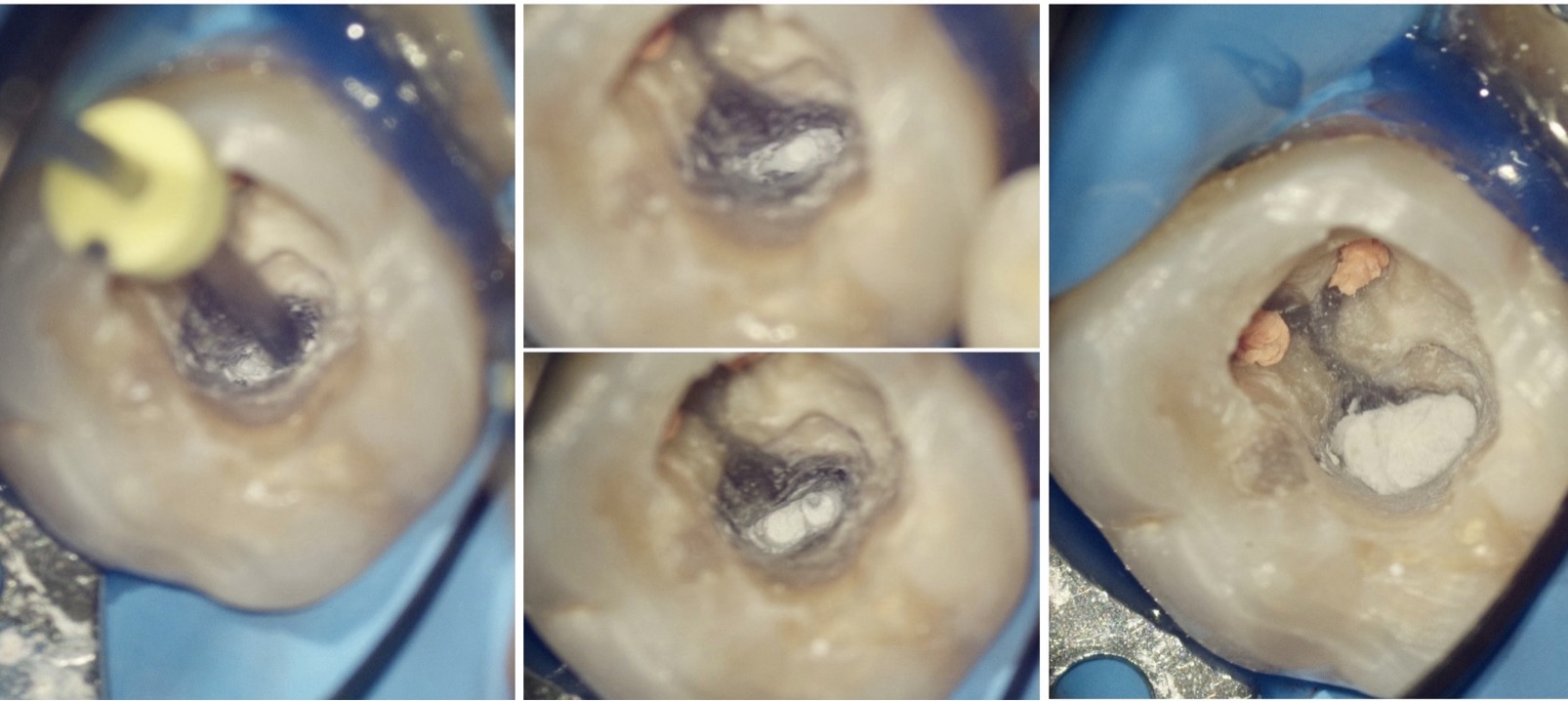 Treatment of an external inflammatory root resorption
External inflammatory resorption (EIR) is present on the external surface of the root of majority of the teeth diagnosed with chronic apical periodontitis. EIR also affects teeth that suffer severe […]
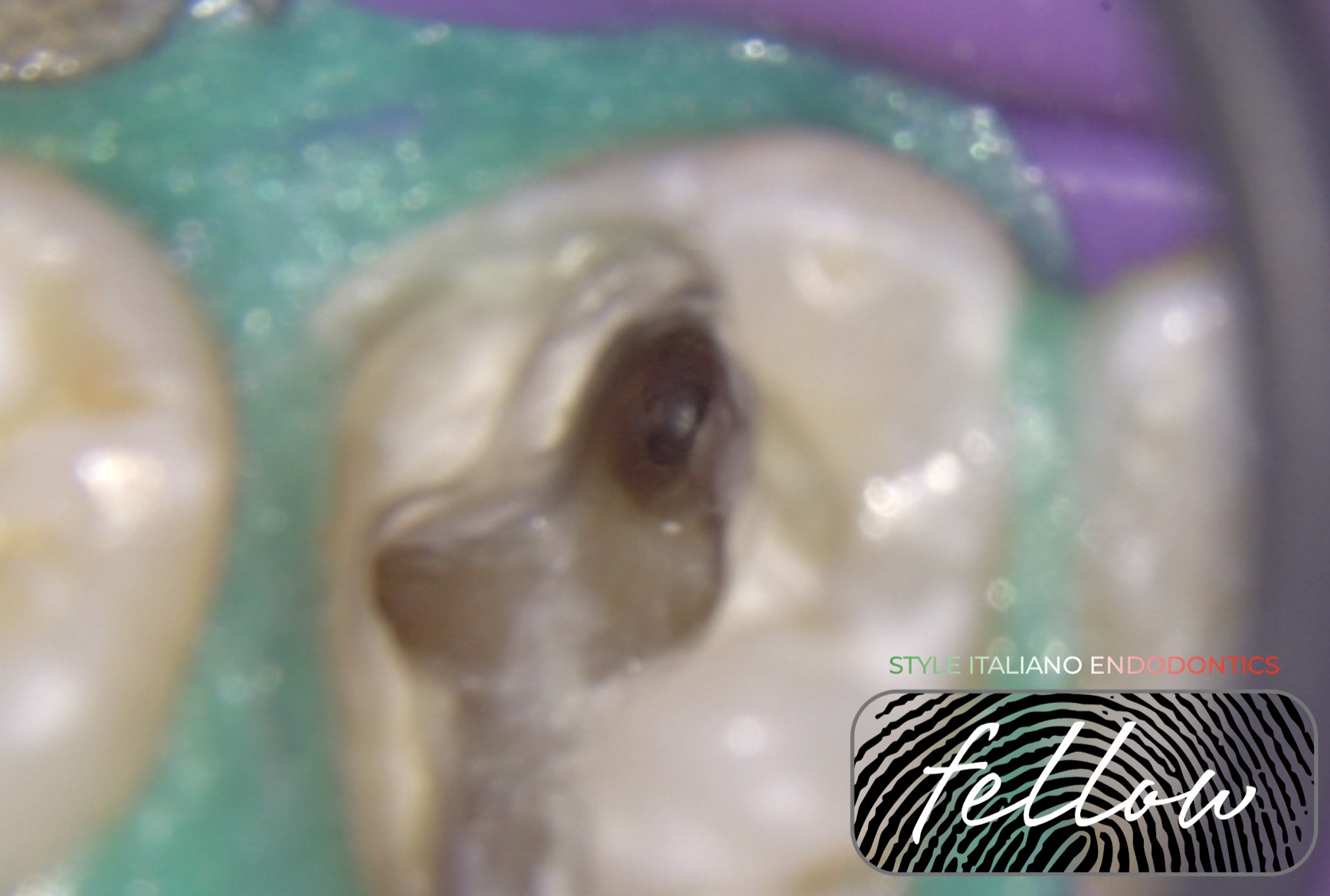 The importance of magnification to manage ledge/perforation
Retreatment are always a challenge. One of the most difficult things is to manage ledge or/and perforation into a canal. When we have to work inside the canal the use […]
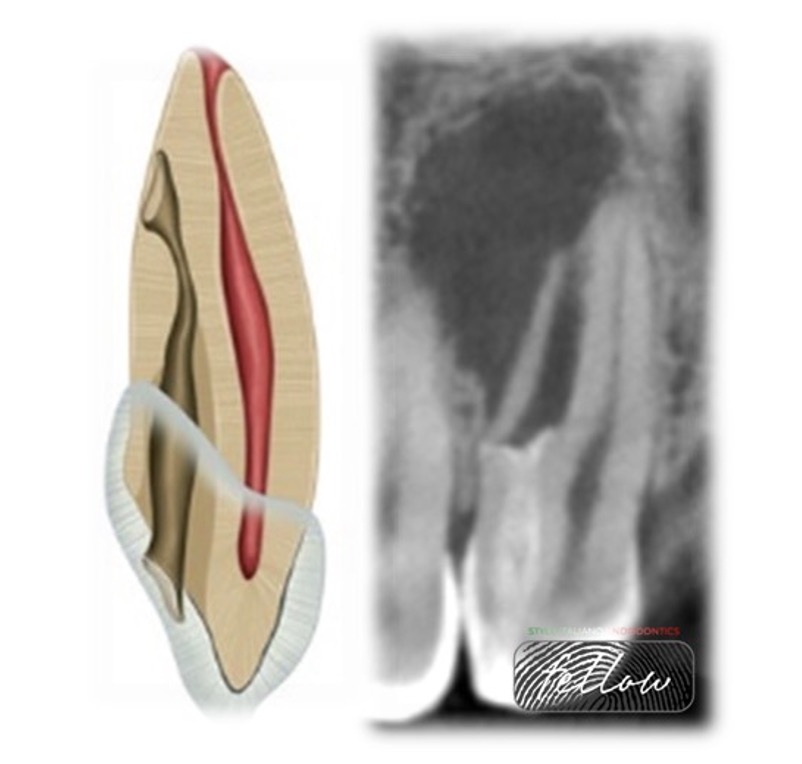 Case report Management of Dens Invaginatus type IIIA
This article showing the Management of Dens Invagenatus of upper lateral incisor with large periapical lesion.
 Non surgical endodontic management of periapical lesion with open apex
MTA is a bioactive cement that has gained immense popularity in endodontic treatments. It is composed of tricalcium silicate, dicalcium silicate, and bismuth oxide. MTA possesses unique characteristics that make […]
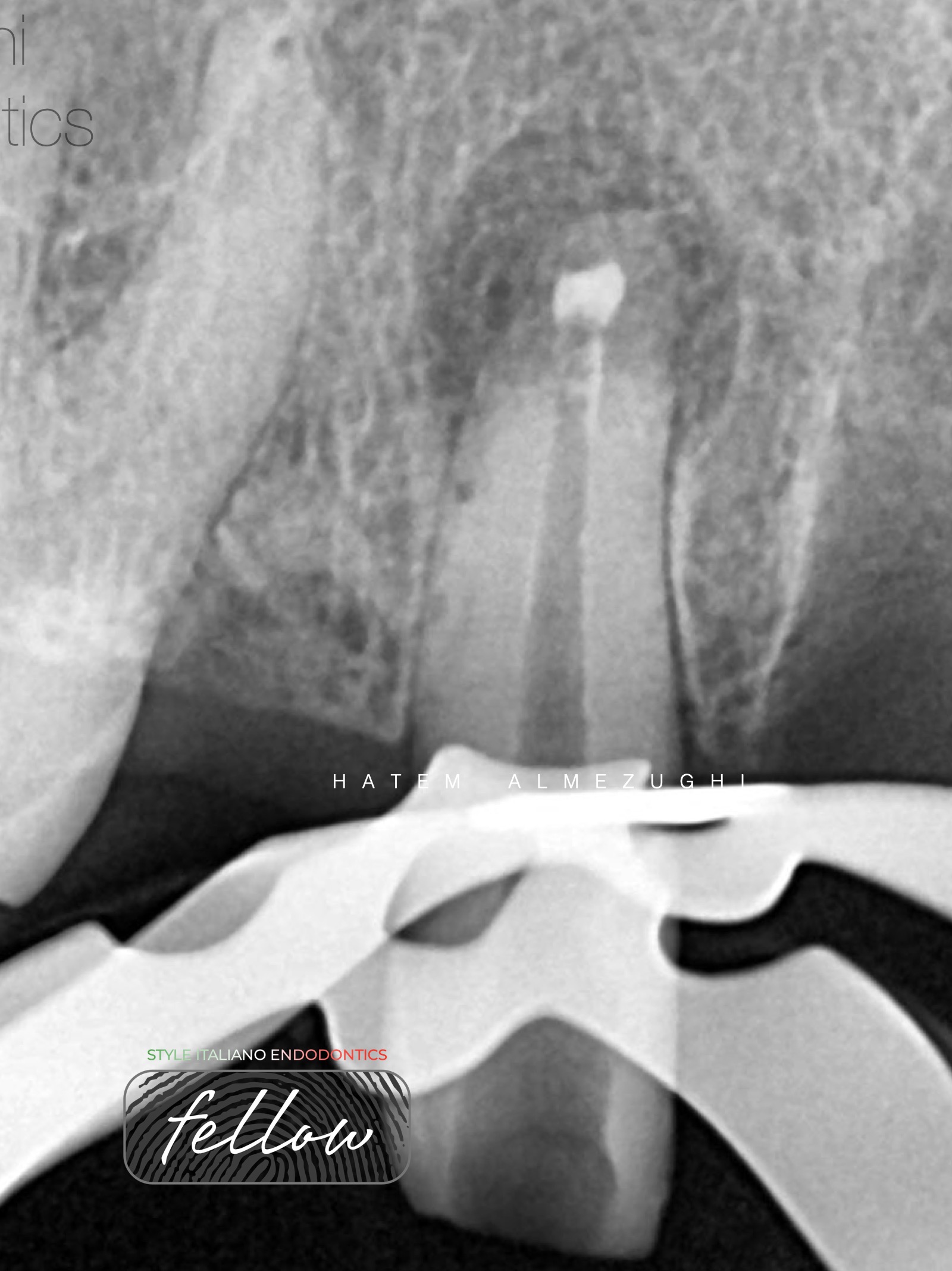 Simplified MTA apical plug
Root resorption is a pathological process that may occur after surgical mechanical, chemical or thermal insult. Generally, it can be classified as internal and external root resorption. Depending on the […]
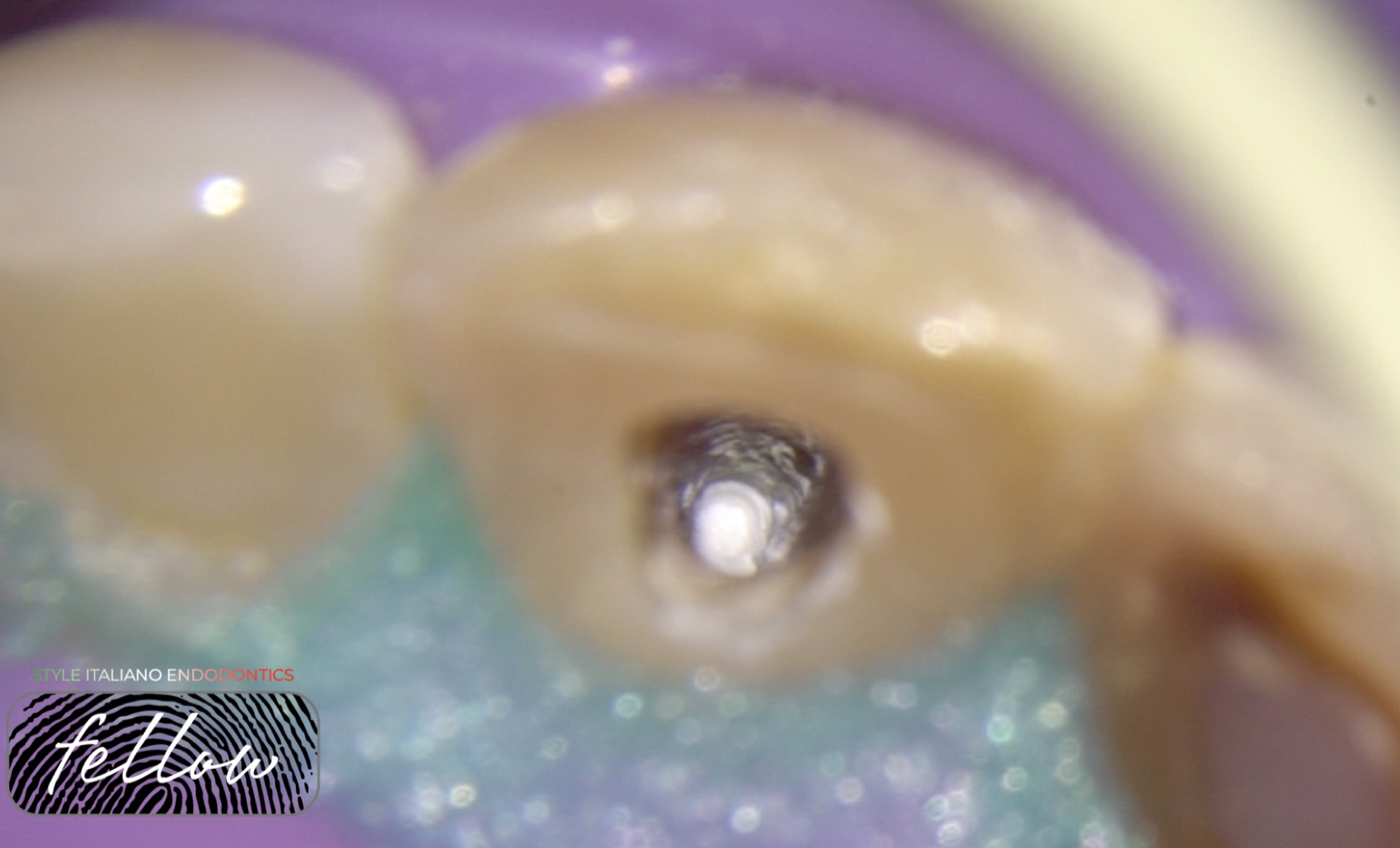 Apical plug with Bioceramic putty
The purpose of this article is to explain all the phases to do in a correct way an apical plug. Today on the market there was a lot of material […]