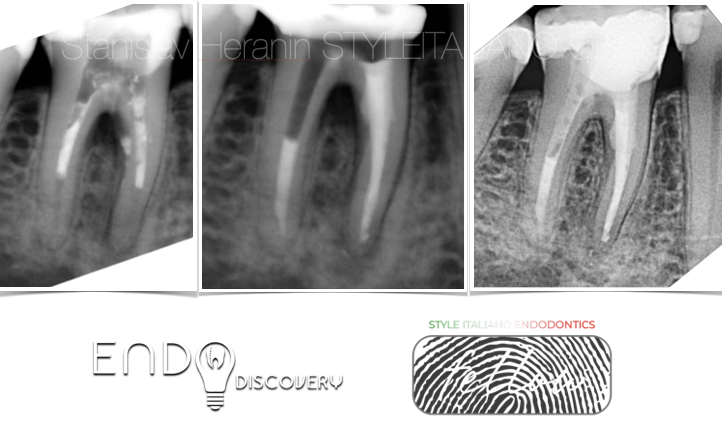
Perforation is an iatrogenic communication that is formed between the tooth and supporting tissues.
It is important to manage perforations as soon as they are diagnosed.
An ideal peforation repair material is Mineral Trioxide Aggregate.
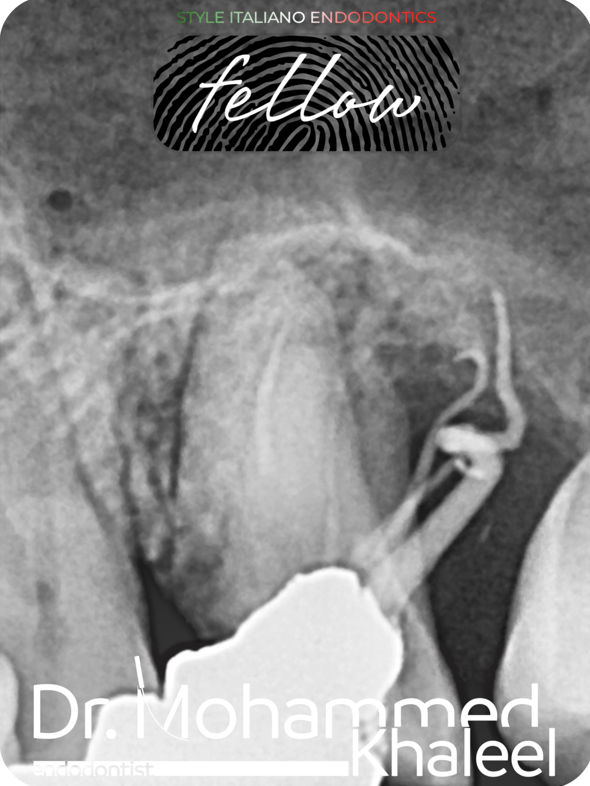 Perforation repair
Perforation is an iatrogenic communication that is formed between the tooth and supporting tissues.
It is important to manage perforations as soon as they are diagnosed.
An ideal peforation repair material is Mineral Trioxide Aggregate.
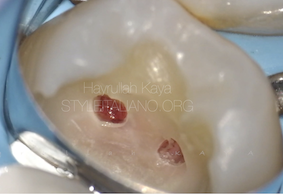 Vital pulp therapy: 2 years follow up
The size of pulp exposure and the presence of spontaneous pain were significant criteria for treatment decisions in traditional direct pulp capping procedures. Direct pulp capping was considered viable when the pulp exposure size was 1 mm or less, and the patient did not experience spontaneous pain. Root canal treatment was routinely treatment choice in cases that did not meet these criteria. However, in light of contemporary insights from the literature, a new classification of pulp conditions has emerged. Consequently, this has led to a shift in our range of indications, predominantly favoring vital pulp treatments.
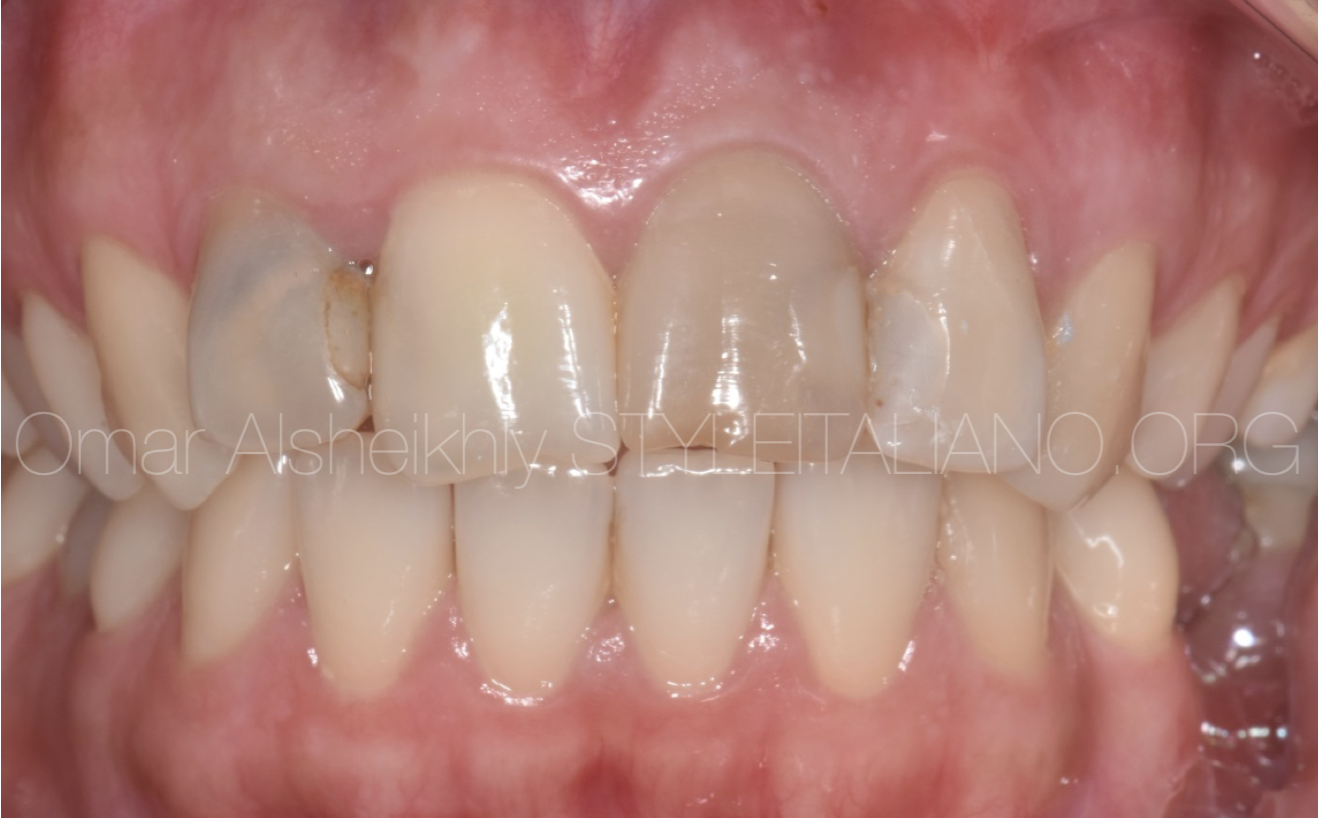 MTA apical plug and internal bleaching for Upper Central Incisor
MTA (Mineral Trioxide Aggregate) apical plug is a technique used in endodontic treatment to create a barrier at the apex of the tooth. This innovative solution has revolutionized endodontics by […]
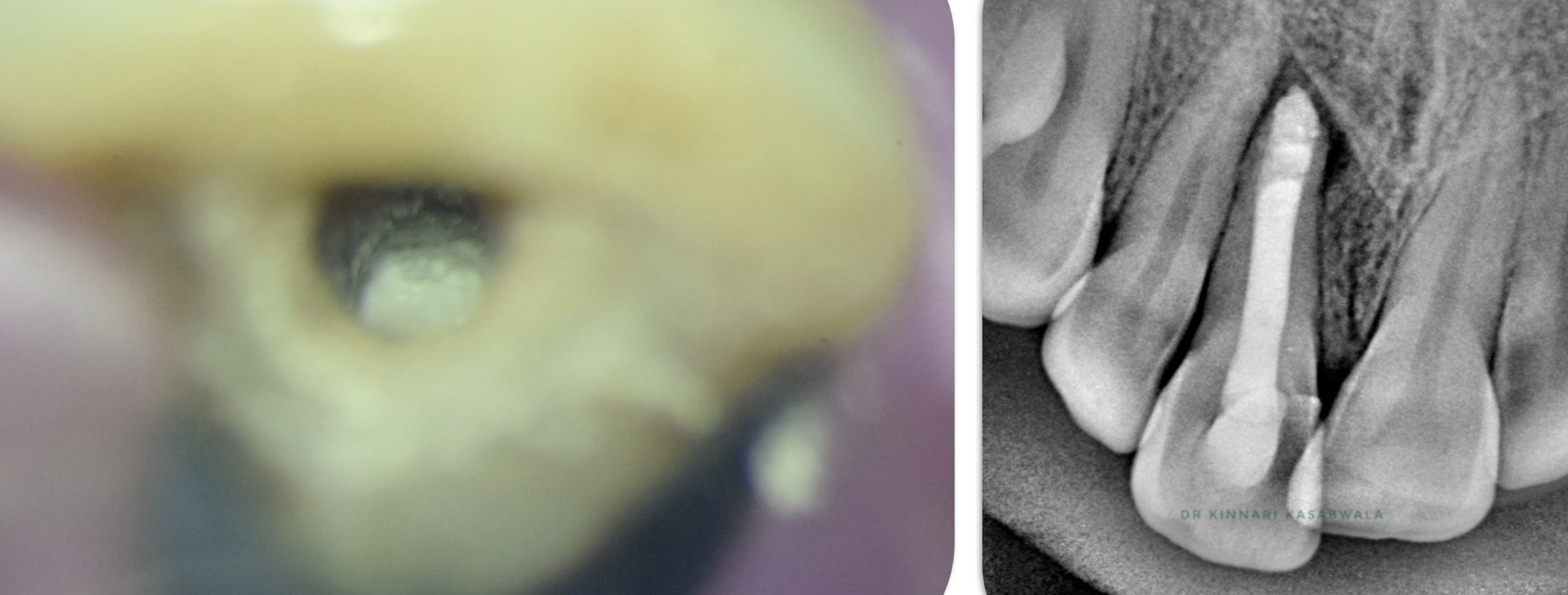 Endodontic management of immature central incisor by apexification
Trauma or caries in young children or adolescents can cause pulp necrosis, which may arrest root development in permanent teeth. This in turn results in thin dentinal walls, wide-open apices […]
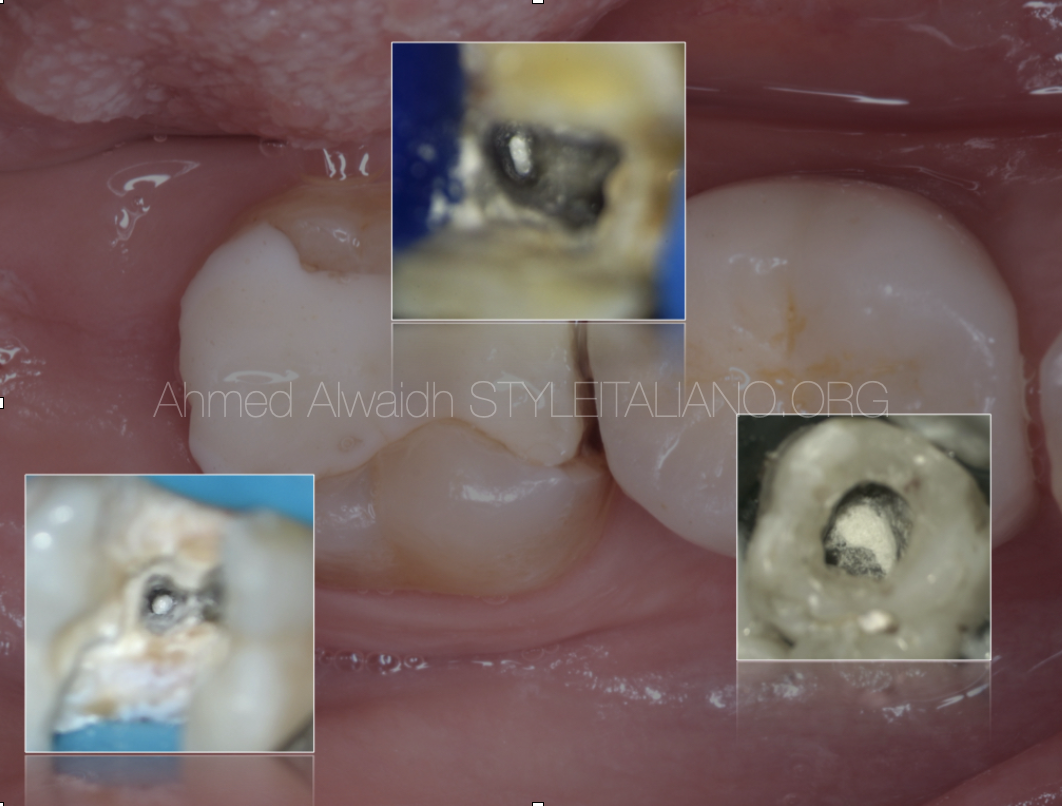 Does MTA ensure a good seal?
Large apices and root canal perforations are always challenging to seal with traditional root filling materials, for many reasons like shrinkage, toxicity, inflammatory response, and sealing ability of those materials. […]
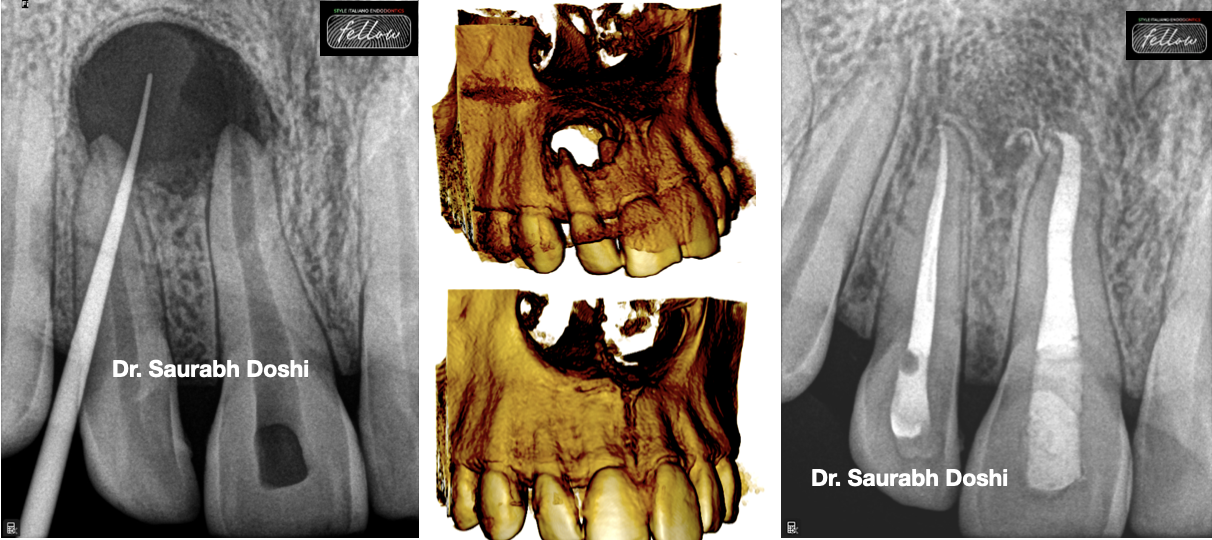 Non-surgical management of Large-Apical Lesion with Open Apex
Bacterial infection of the dental pulp may lead to periapical lesions. They are generally diagnosed either during routine dental radiographic examination or following acute pain in a tooth. Most periapical […]
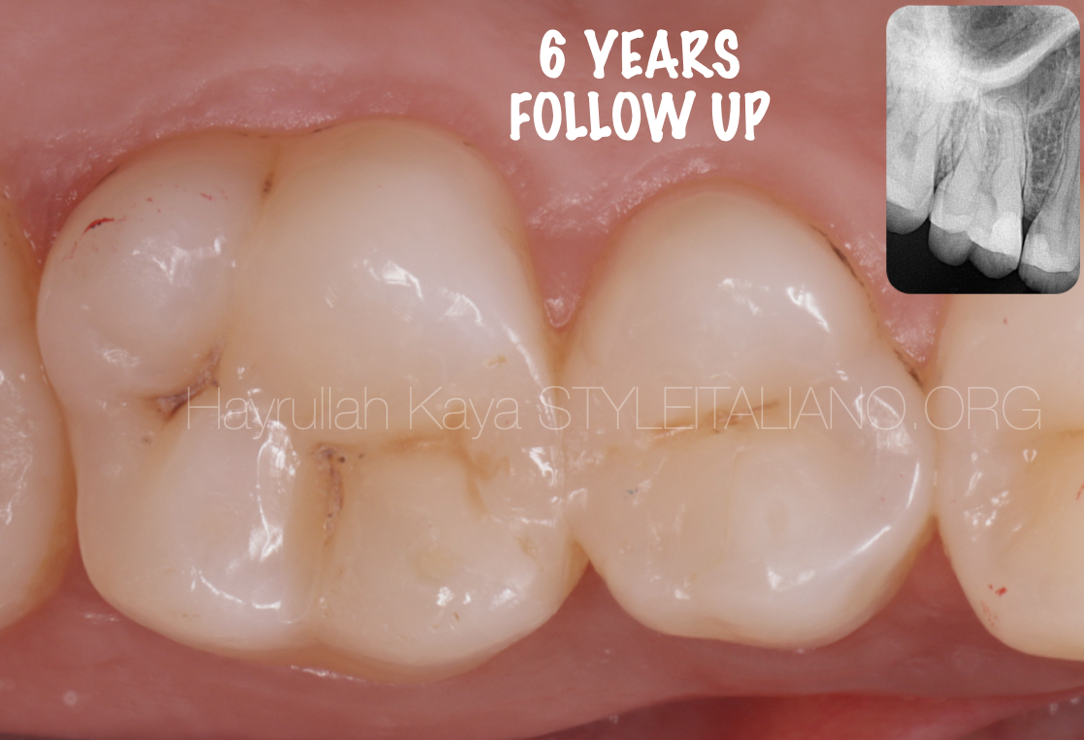 Direct pulp capping with MTA: 6 years follow-up
Minimally Invasive Dentistry refers to the philosophy of preserving the maximum amount of original dental tissue through a systematic approach. In this paradigm, the fundamental principle is to minimize the removal of dental structure. Therefore, in cases where the pulp is exposed, we should prioritize vital pulp treatments rather than root canal treatments.
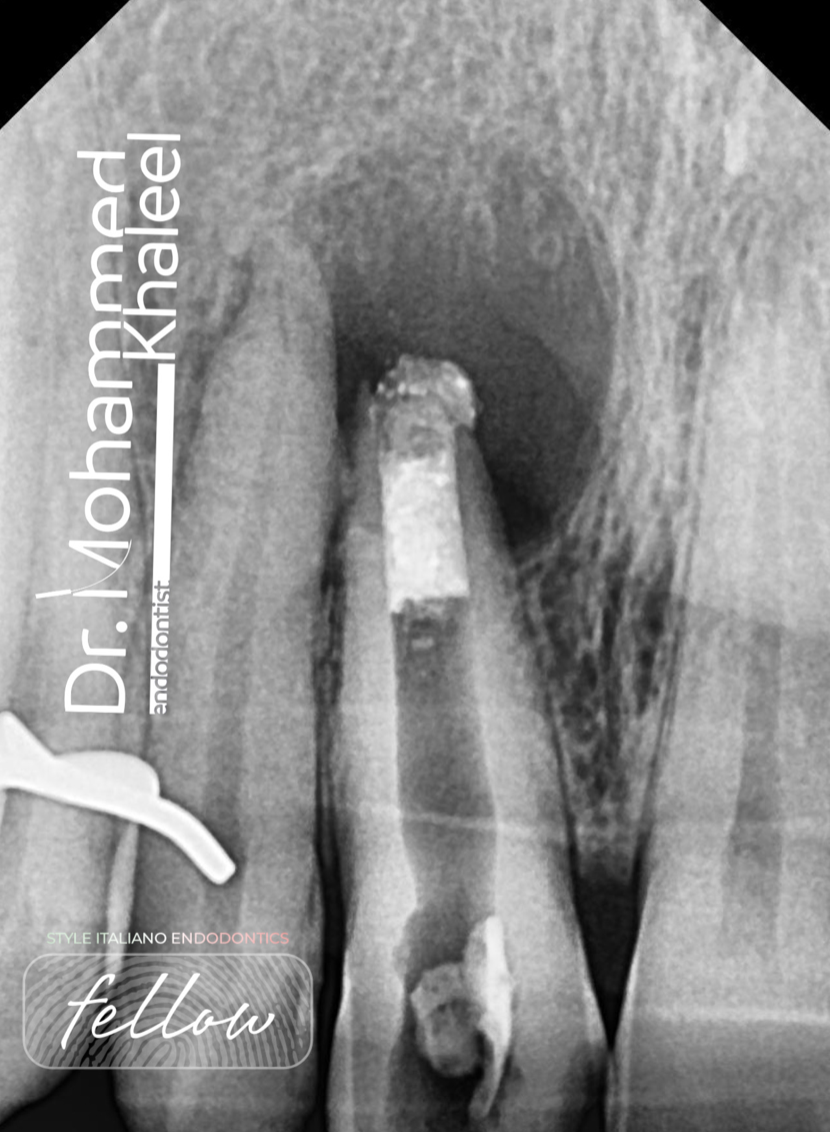 MTA apical plug
MTA has several desirable properties that makes it an excellent choice for apical plug formation . Firstly , biocompatibility to the surrounding tissues . This is crucial for achieving successful […]
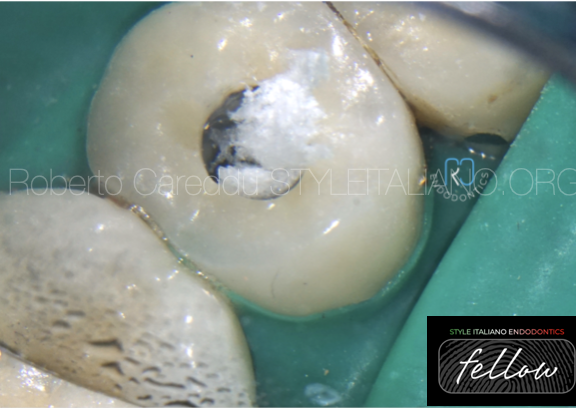 Making apical plugs easier using a simple collagen sponge
Proper seal of the root canal system is a key factor for long term success of the endodontic treatment. In the majority of cases, the root anatomy and the apical […]
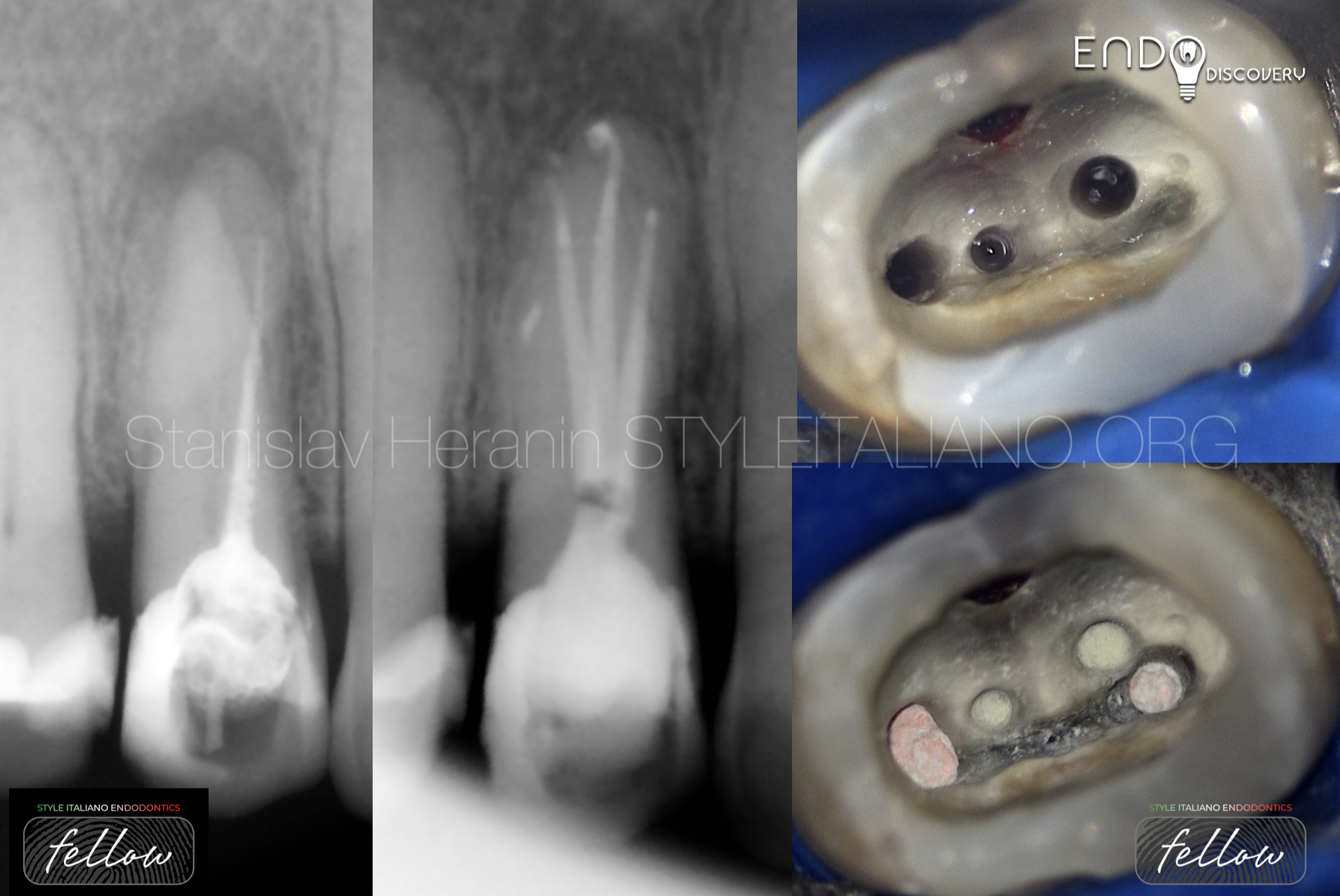 Management of deep root perforations
Root perforation is a challenging situation when the root canal has a pathological communication with periradicular area. Perforations can occur as an iatrogenic accident during a root canal instrumentation and […]
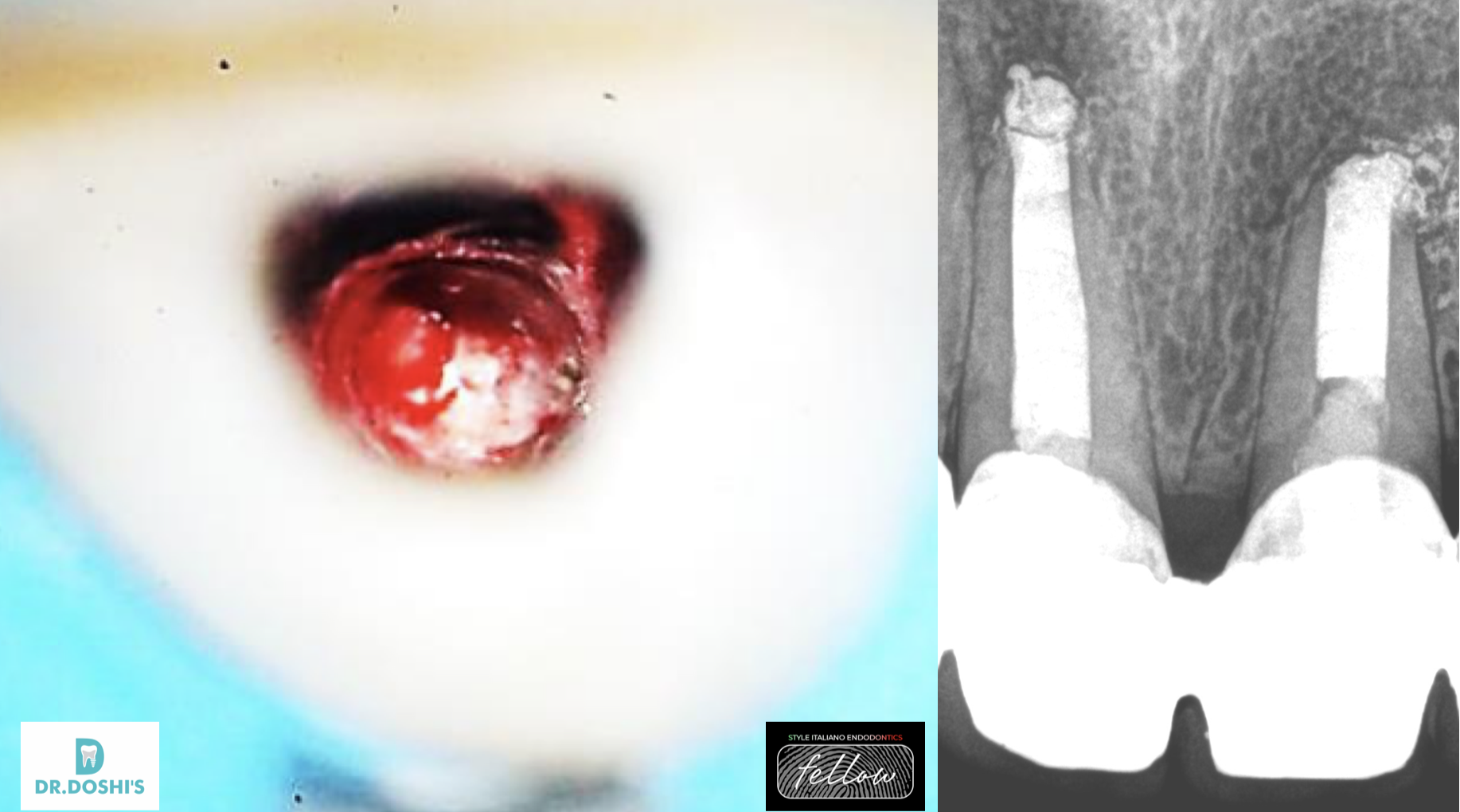 Management of Immature Permanent Incisors with wide open apex
A major problem associated with treating traumatized teeth with necrotic pulps and open apices, is achieving an acceptable seal in the apical area. Apexification has traditionally formed an integral part of the […]