Radix Entomolaris: Case Report with Clinical Implication
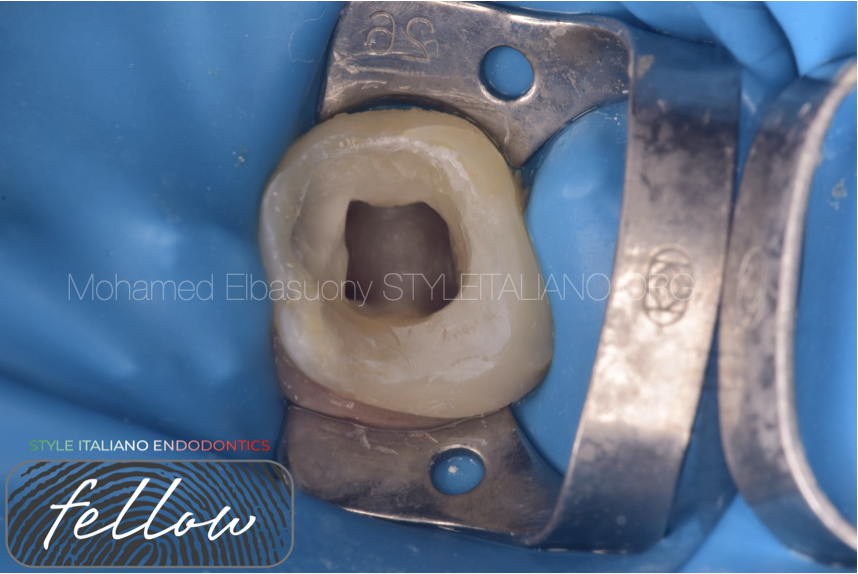
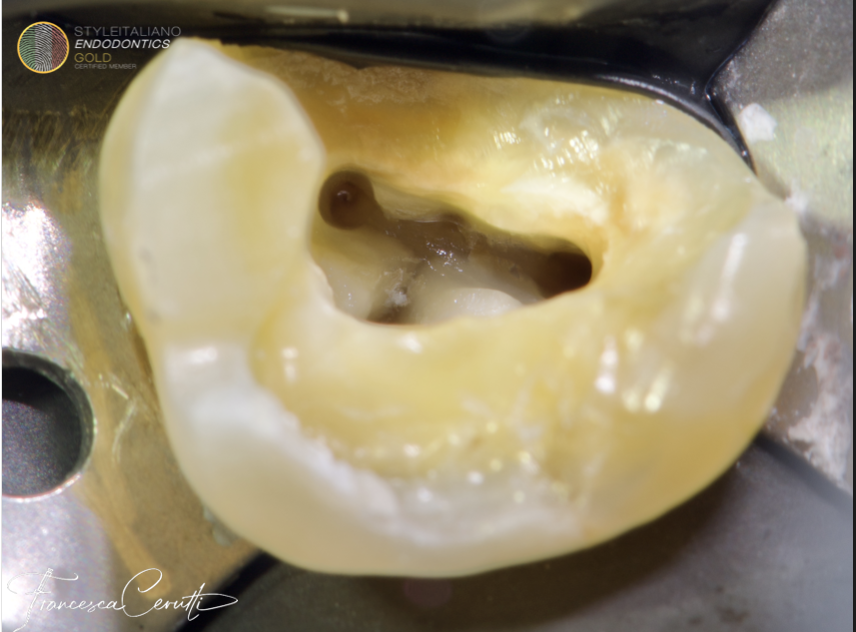
Usually, first mandibular molars have one mesial and distal root but in some cases there are anatomical variations. Presence of an additional lingual root distally in mandibular molars is called radix entomolaris (RE). If present, an awareness and understanding of this unusual root and its root canal morphology can contribute to the successful outcome of root canal treatment. The article describes the endodontic management of mandibular molar with RE.
Deep Margin Elevation and Clinical Crown Lengthening: Biological considerations and clinical procedures
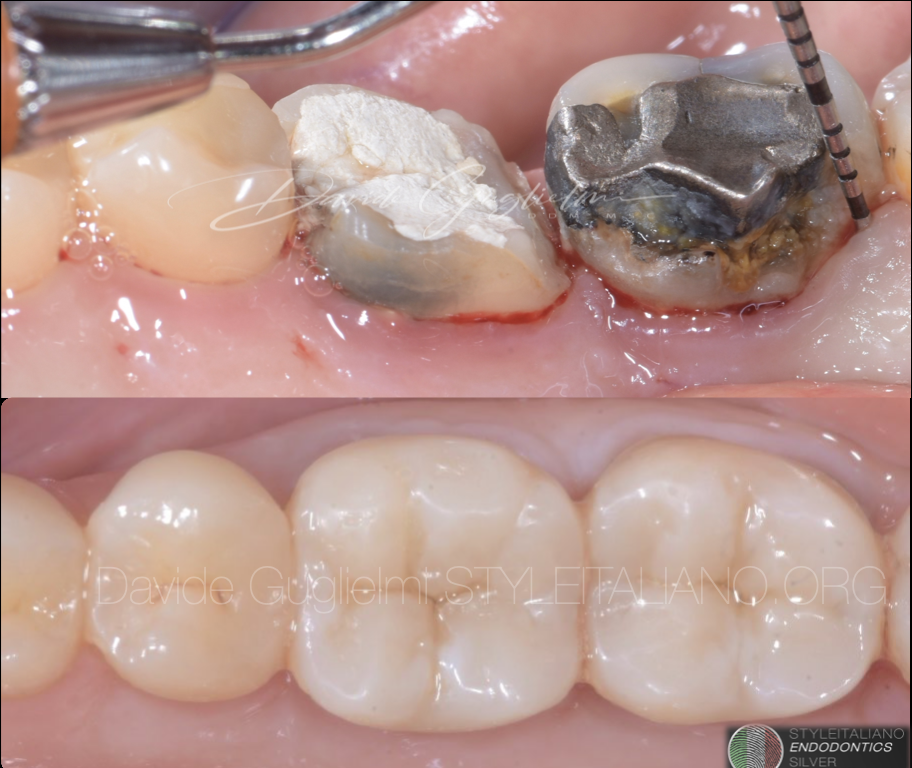
The restoration of a severely compromised tooth represents a challenge for the clinician, not only due to a significant loss of structure of the element but also due to the invasion of the supracrestal tissue attachment, with consequent compromization of periodontal health.
The technique of deep margin elevation can be applied when the healthy margin of the tooth needing restoration is localized within the sulcular epithelium or at the level of the junctional epithelium.
On the other side, the presence of lesions of the dental element involving the space for the supracrestal connective attachment and/or the bone crest makes the surgical intervention necessary. The following article aims to describe the indications and surgical procedures for clinical crown lengthening from a biological, periodontal and biomechanical point of view.
Therefore, the operational steps of the clinical crown lengthening surgical procedure (bone-resective surgery) and the sub- sequent endodontic/restorative clinical phases will be illustrated.
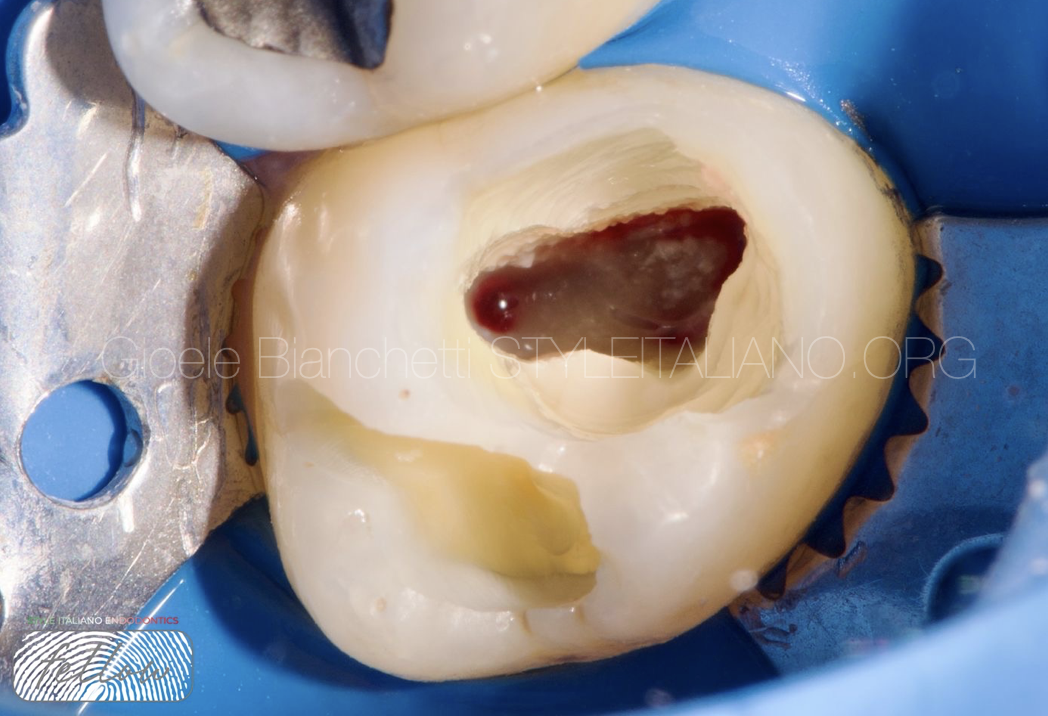
Single session endo resto treatment of an upper second molar
A smooth workflow in endodontics and restorative starts from the application of a strict protocol
Decision making in endo-perio-restorative cases of severely compromised teeth
The recovery of severely compromised teeth is a challenge for clinicians. Every day, we face this issue, and it is crucial to choose the correct technique and, above all, the […]
90 minutes endo resto
For me, there is nothing better than being able to manage endo and resto of a tooth in a single visit
ENDO-PERIO LESIONS: SIMPLIFIED CLASSIFICATION
Periodontium and pulpal spaces represent the two primary modes of dental infection from oral bacteria.
At the clinical level, compound dentoalveolar infections involving both tissues are common and present challenges for diagnosis and treatment. The complex lesions presenting the characteristics of both endodontic and periodontic infections are referred to as endo-periodontal lesions (EPLs).
Direct Vs Indirect restoration of endodontically treated teeth
The restoration of endodontically treated teeth must be planned before initiating root canal treatment. Because Microbial contamination of the root canal system and peri-apical tissues is the most common reason […]
Shaping narrow canals using the forward reciproc motion– Case report
The primary goal of successful endodontic therapy is to perform a proper cleaning and shaping of the root canal system. In clinical practice, this cleaning and shaping, performed with the […]
Endodontic treatment of necrotic teeth with periapical lesion
One of the most common complications after dental trauma is pulp necrosis, which is often associated with apical periodontitis. The management of these teeth is challenging due to large root canals, open apices, and thin dentinal walls. 1
Long-term irritation leads to periapical lesions and cysts in the apical region. If left untreated, necrotic and infected pulp causes inflammatory lesions in the periapical tissues to grow over time, leading to structural changes in the bone. In some cases, root canal treatment may be required later during follow-up of injuries, due to subsequent pulp necrosis and infection of the root canal system. 2-3
Two Appointments Endo Resto: a simplified workflow to make prosthodontics helpful to endodontics
The aim of the article is not to introduce a new technique, but to combine existing and consolidated ones in order to maximize the ergonomics, quality and predictability of our treatments; the proposed protocol was designed to satisfy the work mantra "the best work, in the shortest time, in the greatest comfort" and therefore entirely focused on reducing chair time and maximum operational facilitation.
Management of complicated crown fracture of newly erupted maxillary central incisor. Conservative approach with 3 years follow up
Coronal fractures of the anterior teeth are a common form of dental trauma that mainly affects children and adolescents. One of the options for managing coronal tooth fractures when the tooth fragment is available is the reattachment of the dental fragment.
This article reports on coronal tooth fracture case that was successfully treated using tooth fragment reattachment.