What signs can help us in the vertical root fracture diagnosis?

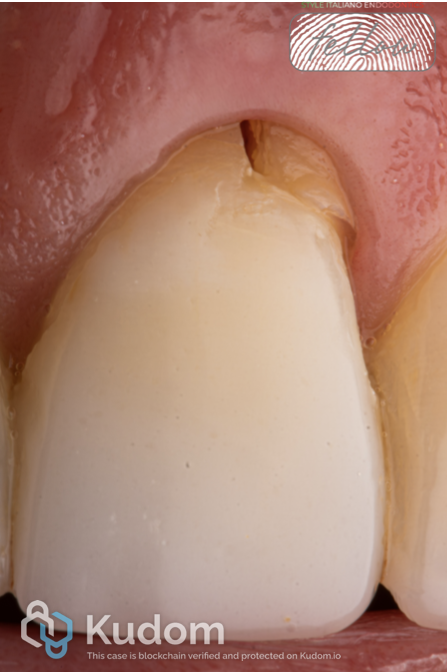 Demystifying vertical root fractures
What signs can help us in the vertical root fracture diagnosis?
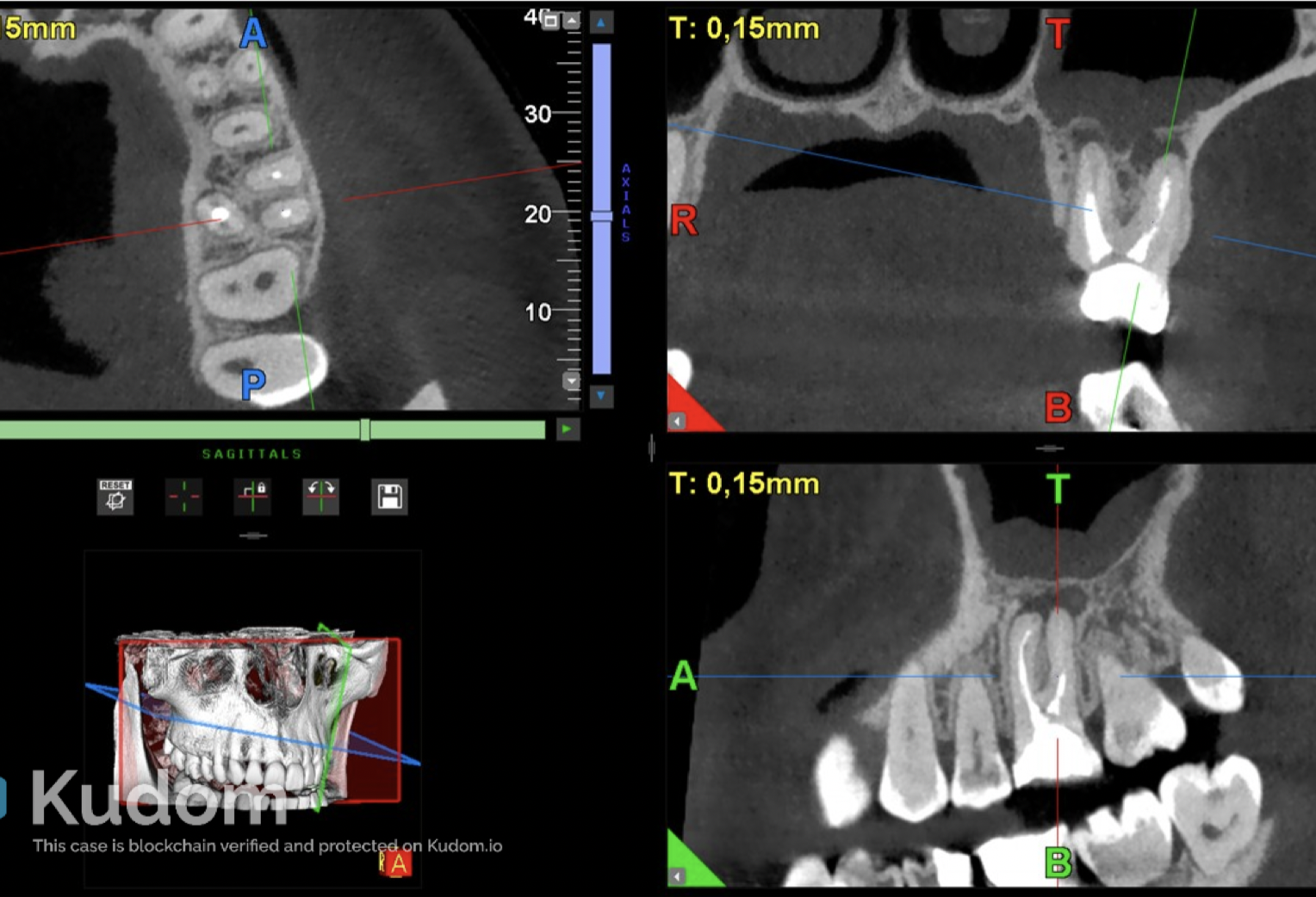 Periapical osteoperiostitis: CBCT diagnosis and healing following endodontic retreatment
CBCT revealed periapical osteoperiostitis with recurrent unilateral sinusitis, resolving after endodontic retreatmentt.
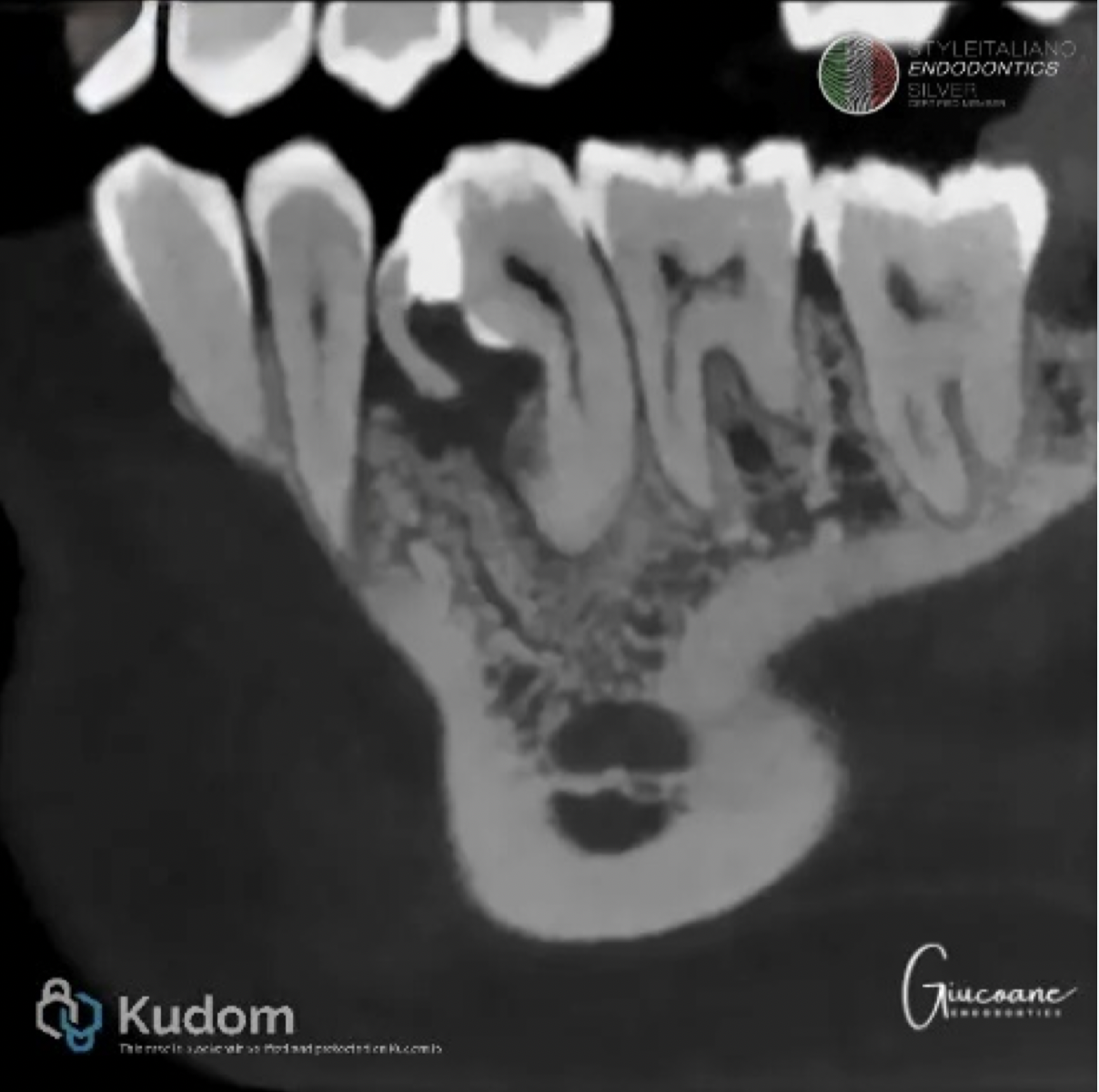 Premolar gemination: a case report
Gemination in lower premolars is a very rare condition. This aspect makes it difficult to treat and it should be approached by an endodontist using a microscope to ensure proper debridement, disinfection and obturation.
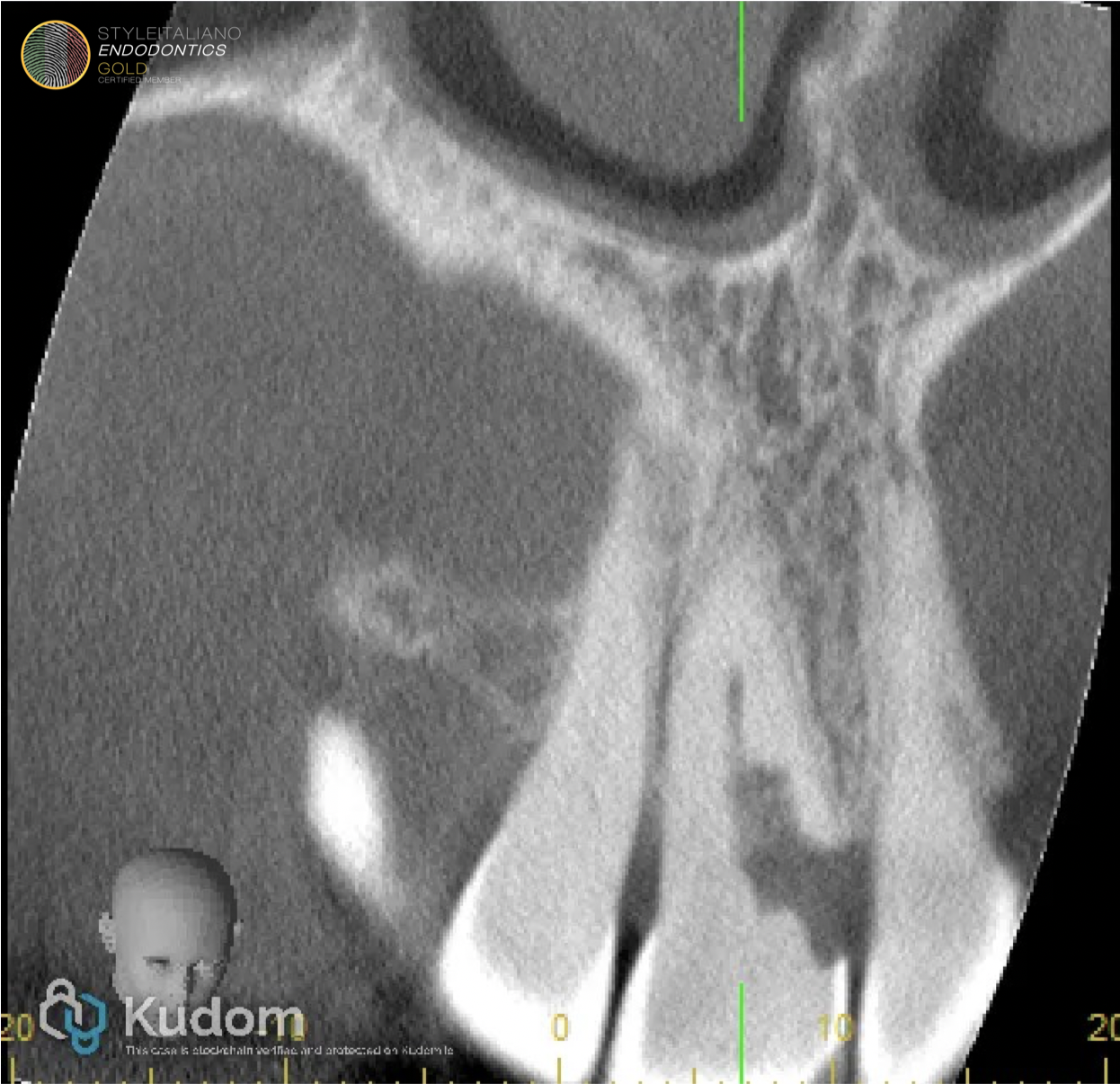 Minimally Invasive Management of External Cervical Resorption Avoiding Root Canal Treatment
ECR External Repair should be opted for over default RCT
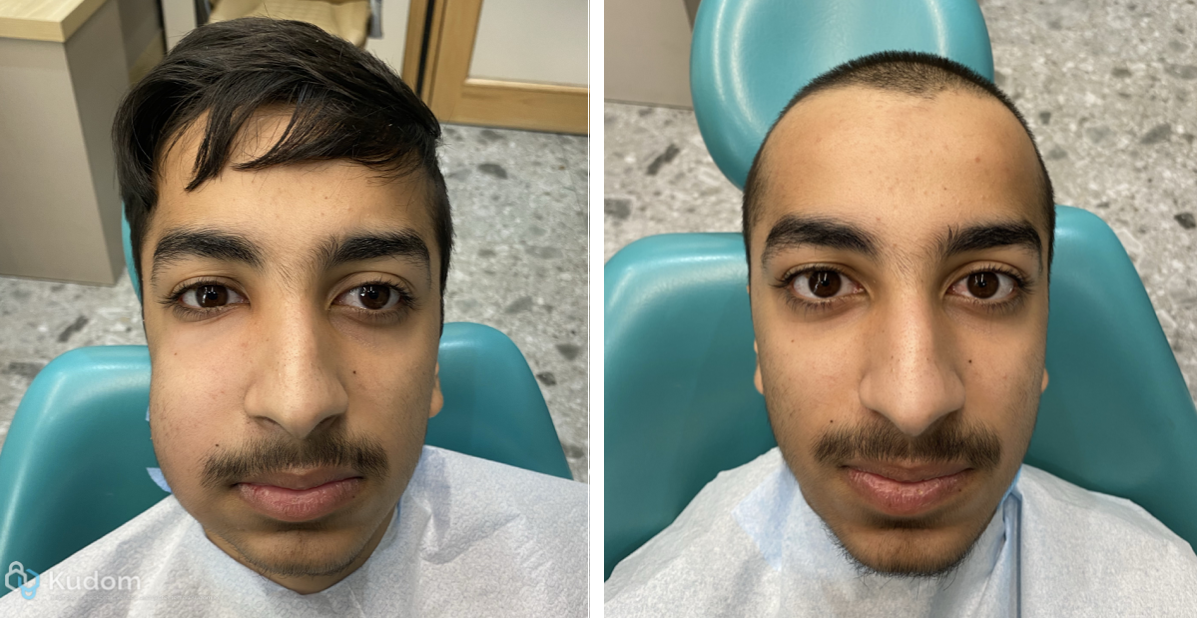 Complication of bad endodontic treatment
Endodontic treatment aims to eliminate infection from the root canal system and prevent reinfection of periapical tissues. Inadequate endodontic procedures, such as insufficient canal debridement, improper working length determination, or poor obturation, may result in persistent intracanal infection. This can lead to periapical inflammation and the development of swelling, commonly presenting as a dentoalveolar abscess. Such complications not only cause patient discomfort but may also compromise the prognosis of the affected tooth. This case report highlights a clinical presentation of facial swelling resulting from failed endodontic treatment and discusses its management
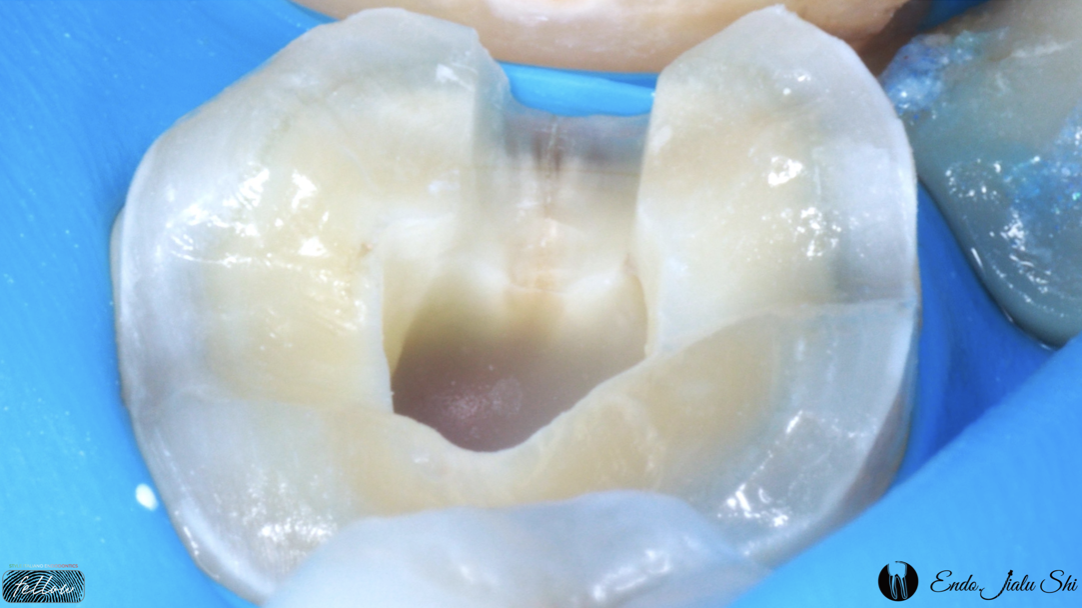 One-visit RCT of a cracked tooth
Cracked teeth have always been a difficult problem. The rate of cracked teeth increased during the initial outbreak of the COVID-19 pandemic; several studies provided evidence on the association between the COVID-19 pandemic and changes in the rate and presentation of endodontic etiologic factors. Patient: Female , aged 37 years Chief complaint: Hot and cold […]
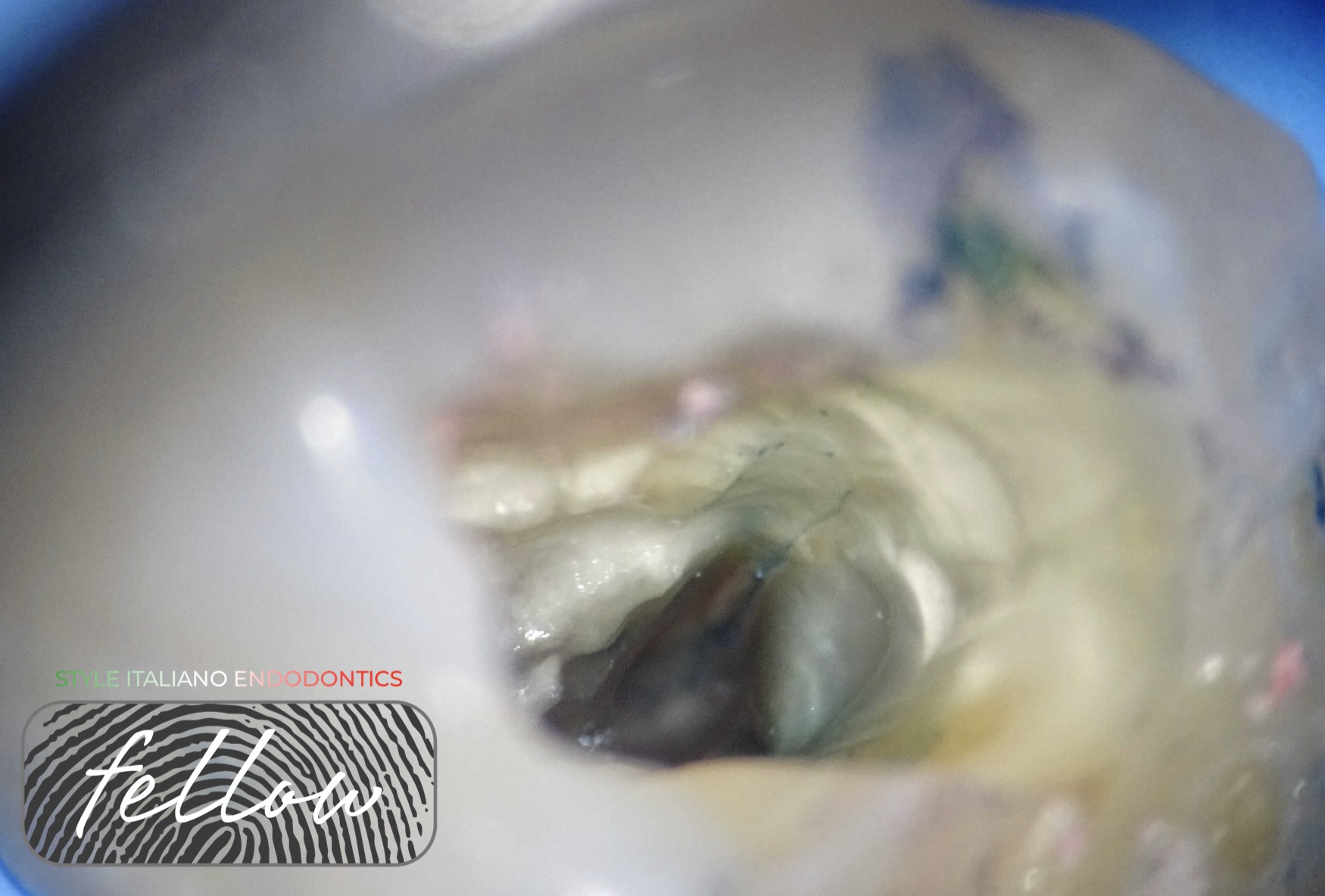 Fracture diagnosis
In endodontics, we have many tools that can help us diagnose a fracture. In this article, we'll review how magnification, CBCT, dyes, periodontal probing, and visual observation help us diagnose fractures.
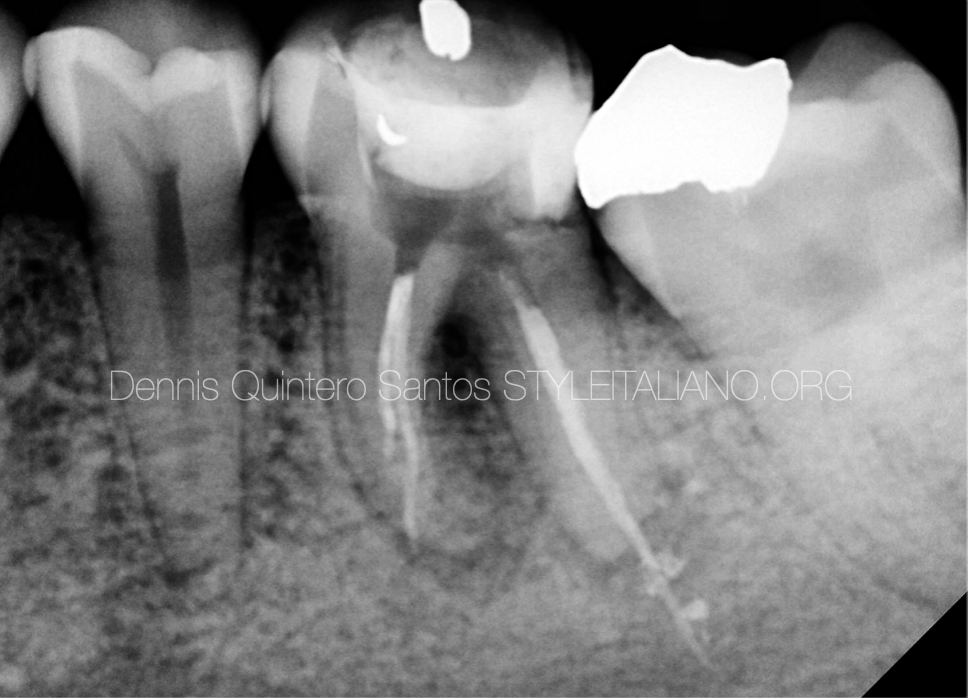 Management of nonsurgical retreatment and final restoration.
The management of nonsurgical retreatment has proven to be an effective alternative in dentistry for preserving natural teeth. Studies indicate that success rates may decline due to anatomical factors overlooked during the instrumentation phase of primary endodontic treatment, often complicating case resolution. However, despite these challenges, research supports an acceptable success rate for nonsurgical retreatment, […]
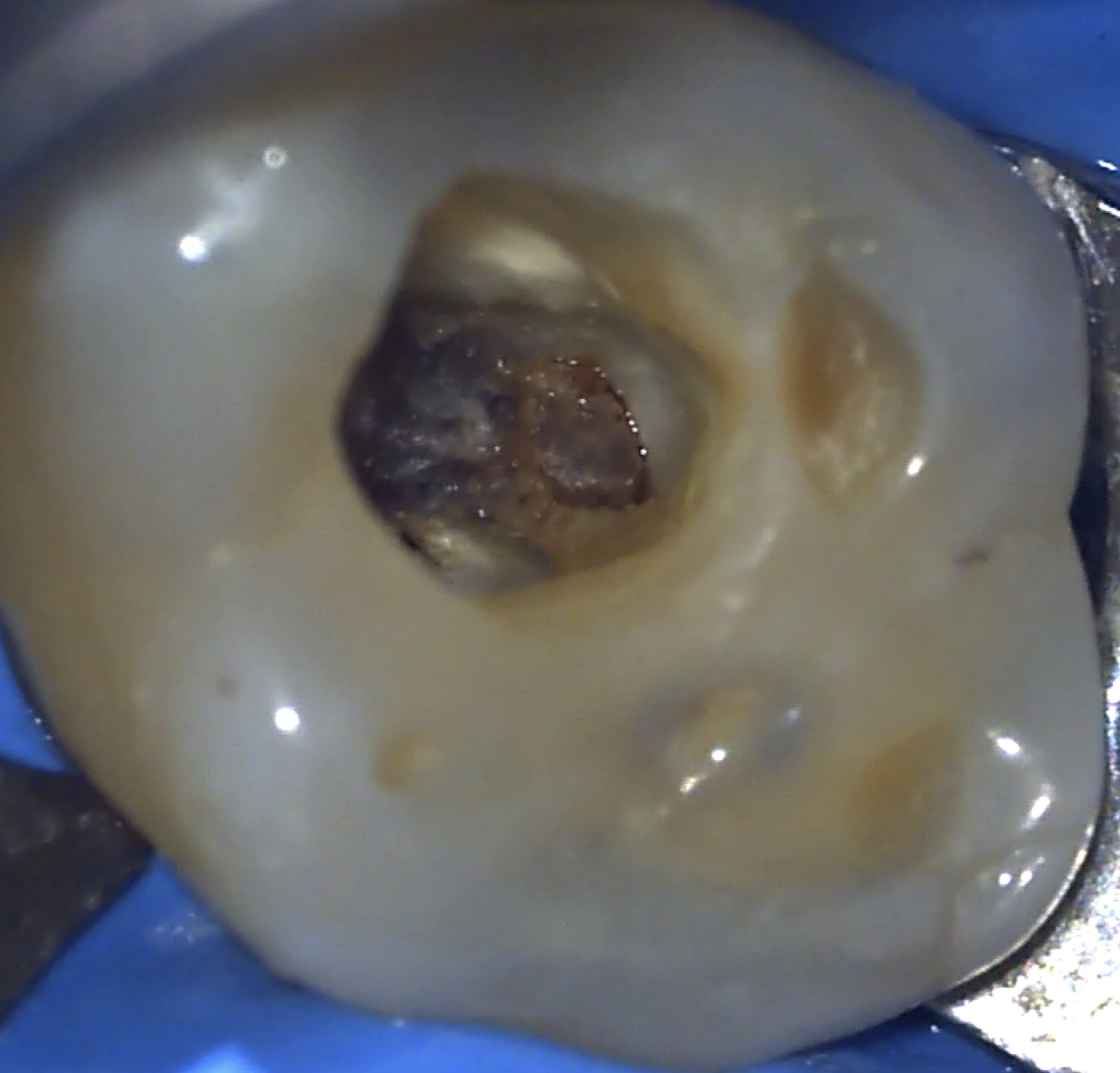 Pulp calcifications, a nightmare for the endodontist
Pulp calcifications are one of the main challenges faced by endodontic professionals. Pulp stones are defined as calcified foci that are observed in the coronal or, less frequently, radicular pulp cavity. They are found in the dental pulp of the teeth in primary and permanent dentition. These calcified structures can be detected in the pulp […]
 Diagnosis and treatment of External Root Resorption: a case report
ECR is a pathologic root resorptive process with an unclear aetiology. Beginning in a point of entry in the cervical area of the root, in later stages, the resorptive process can reach the pulpal space.
The purpose of this article is to report this clinical condition, through the description of one clinical case, highlighting everything from the diagnosis to the treatment performed.
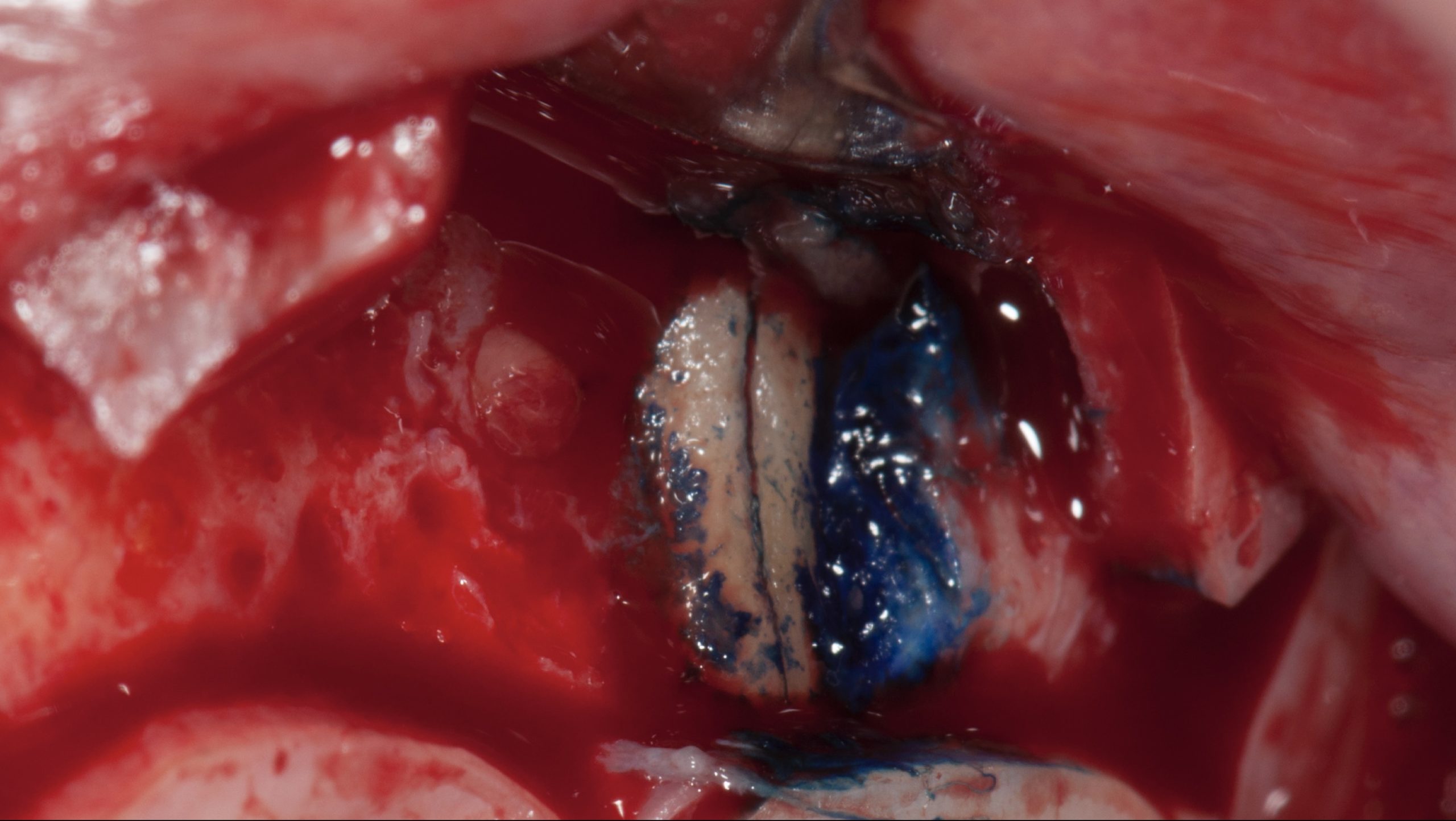 Root fractures: clinical scenarios
Root fracture is a situation that may happen and is generally associated to these symptoms: Depending on the conditions, the symptoms referred by the patient may vary and, in some cases, painkillers are not able to help managing the pain.
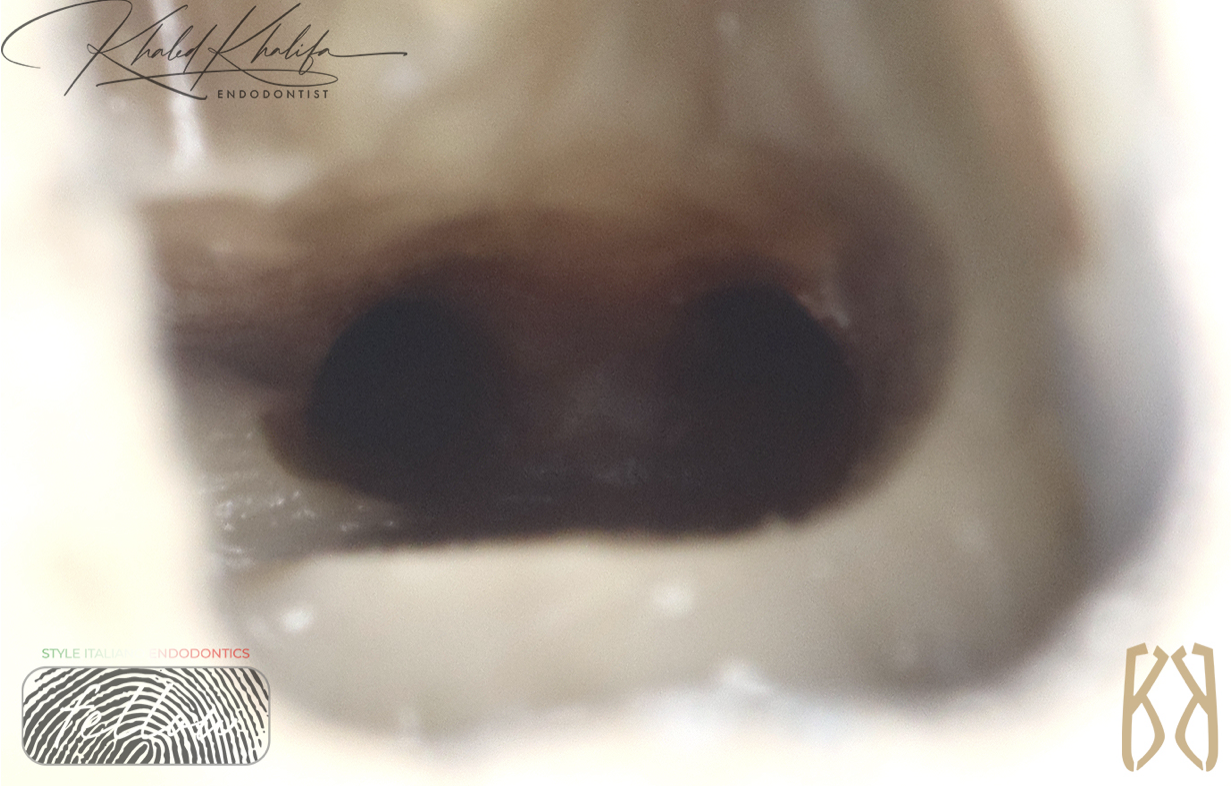 Dental Diagnosis Dilemma
Dentistry is all about combining clinical art & science of diagnosis to improve the quality of patient’s life.
Here we will talk about a patient with a molar needed to be retreated and instead she was misdiagnosed with trigeminal neuralgia.