CBCT revealed periapical osteoperiostitis with recurrent unilateral sinusitis, resolving after endodontic retreatmentt.

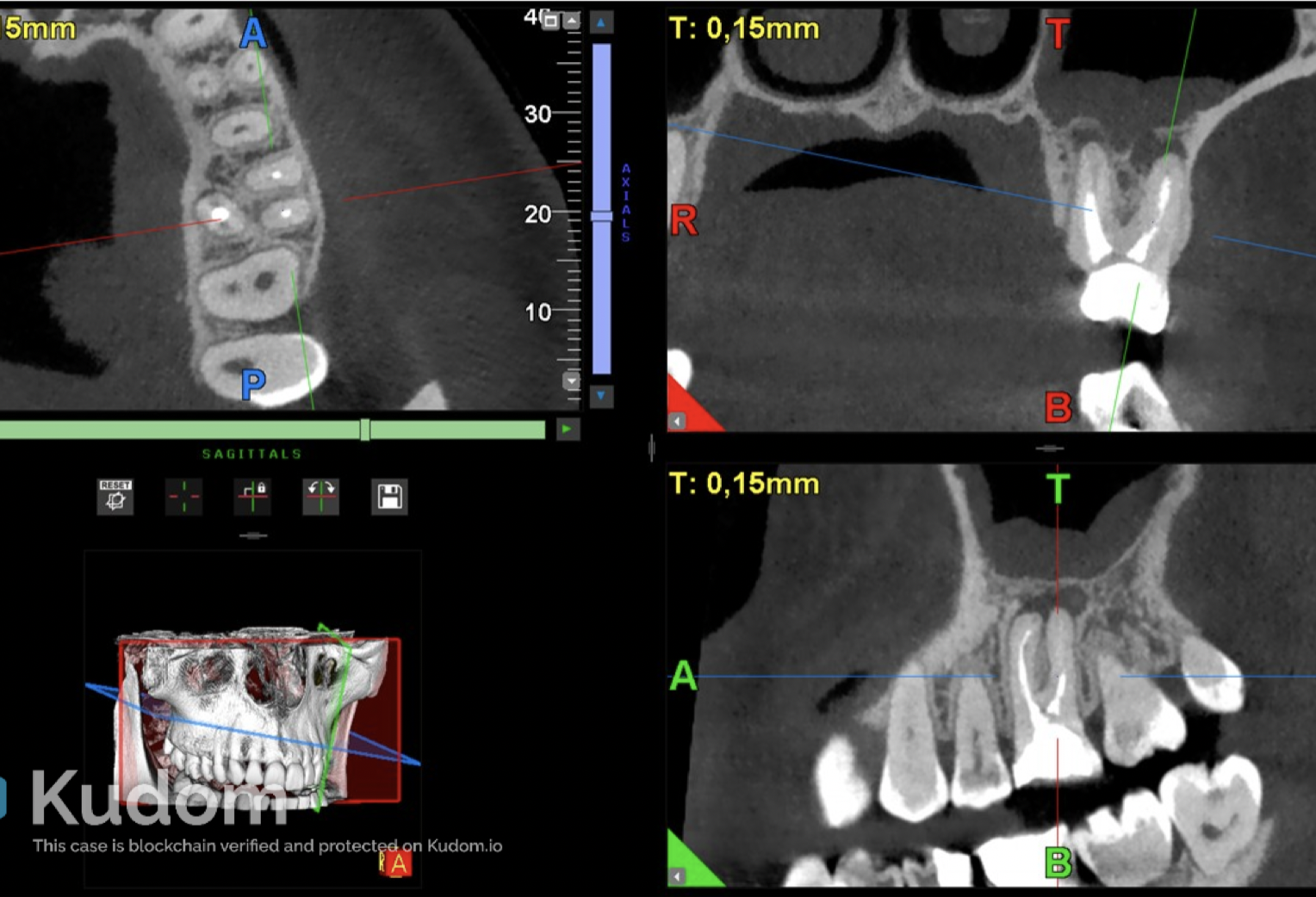 Periapical osteoperiostitis: CBCT diagnosis and healing following endodontic retreatment
CBCT revealed periapical osteoperiostitis with recurrent unilateral sinusitis, resolving after endodontic retreatmentt.
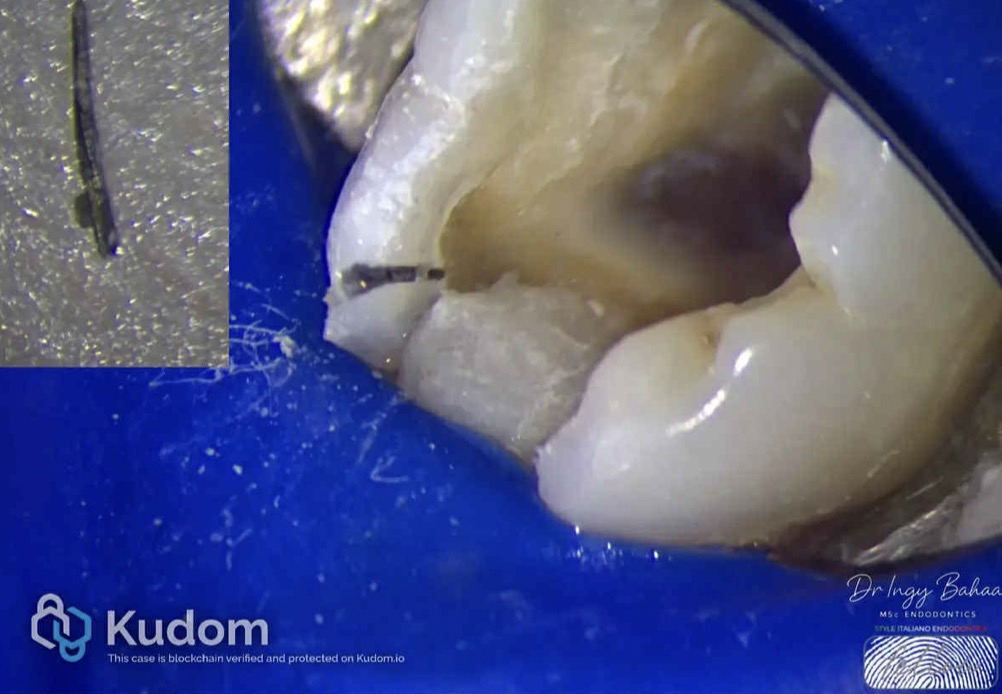
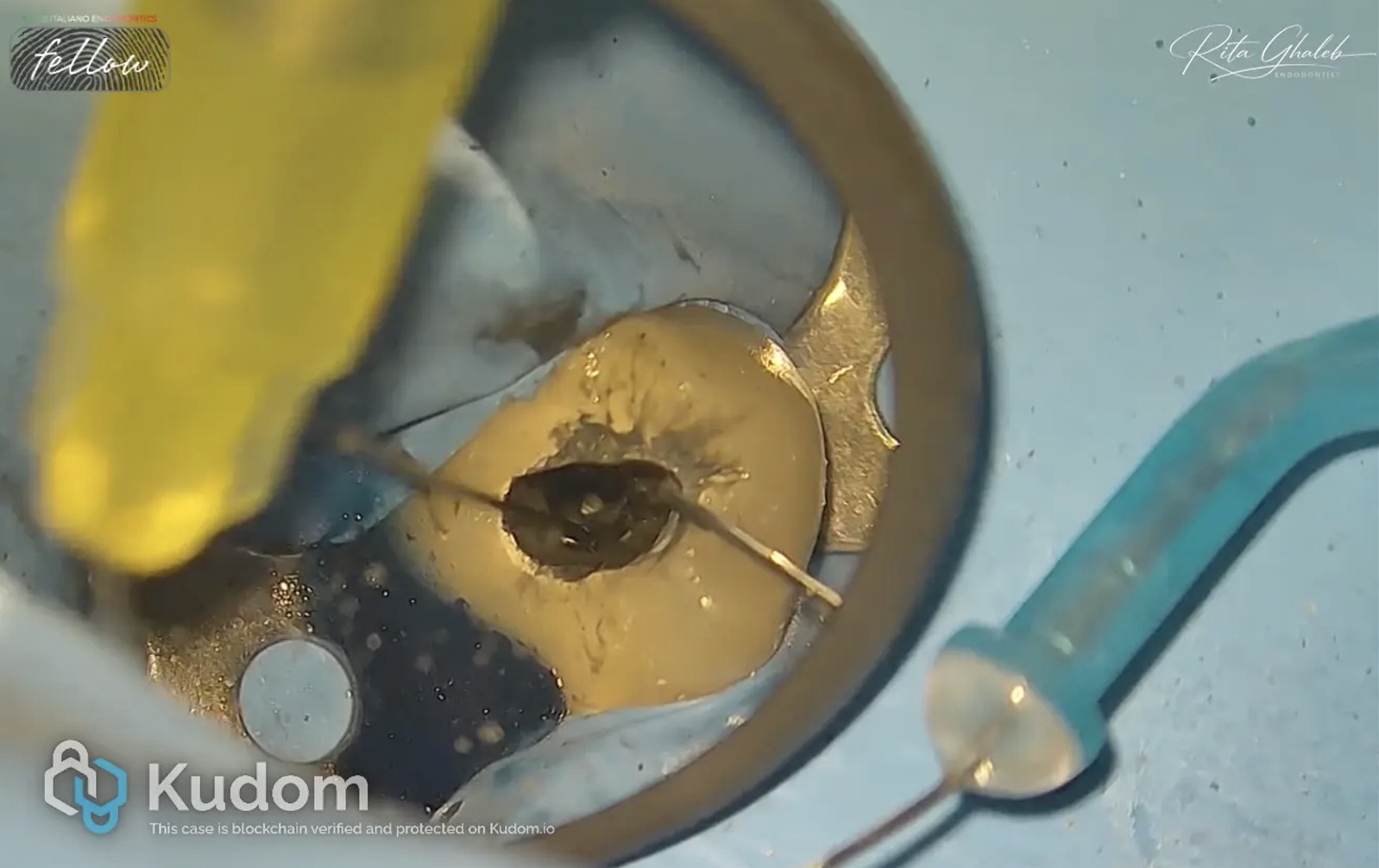 Management of Two Broken Intruments in an Upper Right Canine – A Clinical Approach
Instrument separation is one of the most common complications encountered during root canal treatment. Although fracture of the instrument itself may not directly cause treatment failure, retained fragments within the root canal system can hinder adequate cleaning and shaping of the canal. With the advent of the dental operating microscope and the introduction of specialized […]
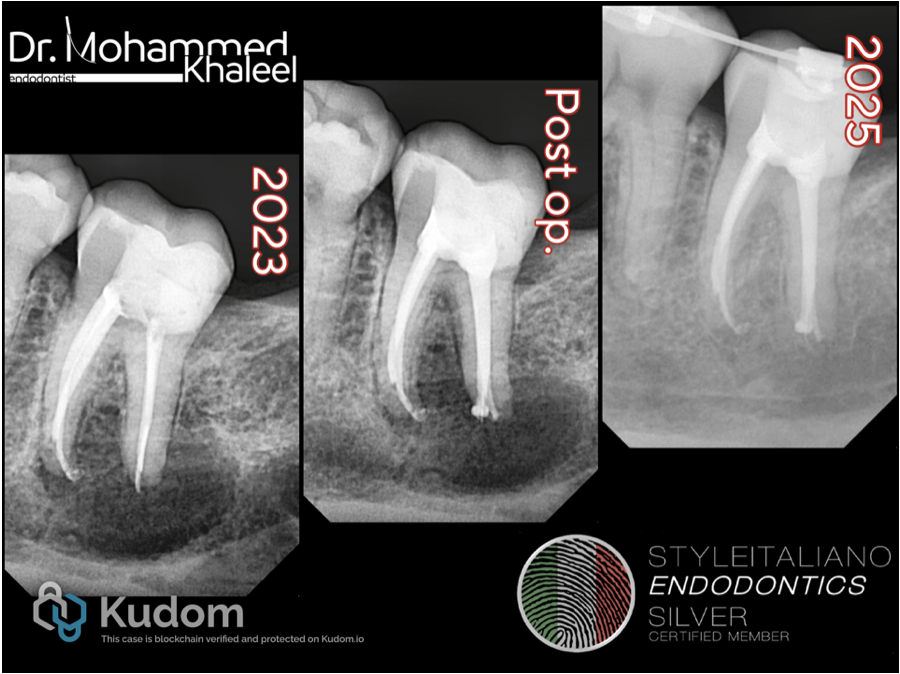 Selective Root canal retreatment
This approach focuses on retreating only the specific canal(s) associated with persistent infection or radiographic pathology, while leaving unaffected, well-obturated canals untouched.
It offers a minimally invasive alternative that preserves tooth structure, avoids unnecessary disruption of posts or restorations, and reduces treatment time and patient discomfort.
Selective retreatment requires precise diagnosis, careful case selection, and the use of modern technologies such as CBCT and magnification.
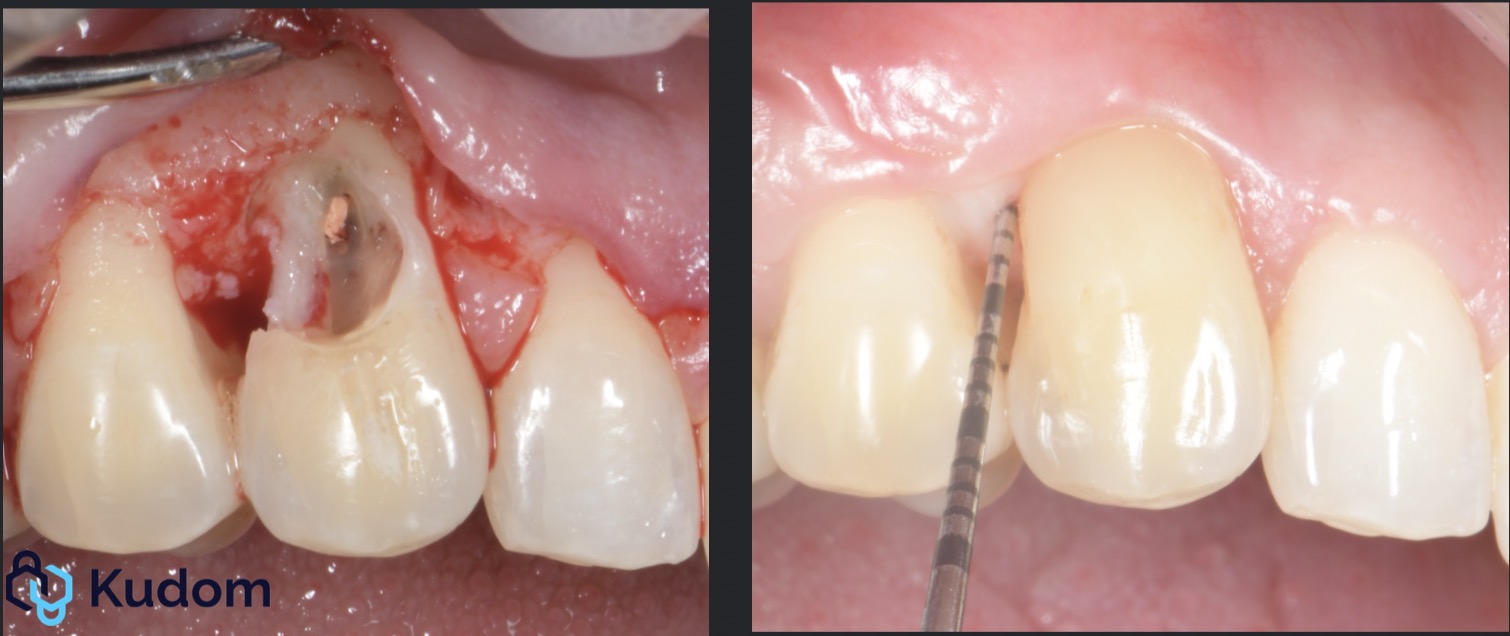 Single-stage crown lengthening and papilla reconstruction with a sub-epithelial connective tissue graft (SCTG) for subcrestal external cervical resorption (ECR) in the esthetic zone
The joint workshop of the AAP (American Academy of Periodontology) and the EFP (European Federation of Periodontology) reaffirmed that positioning the restorative margin within the fibers of the supracrestal connective tissue attachment represents a significant risk factor for the development of periodontal complications. It is essential to recall that the supracrestal attachment shows considerable dimensional […]
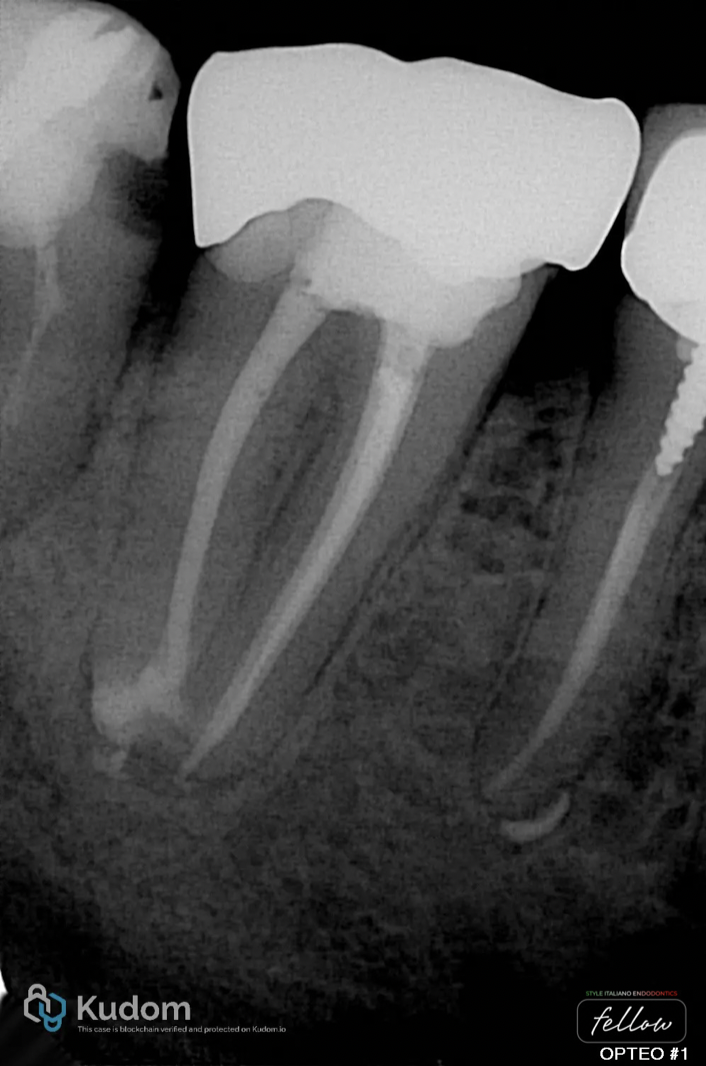 Endodontic Retreatment of a Molar with Complex Anatomy
How a good analysis and a efficient protocol can turn and complex case into success.
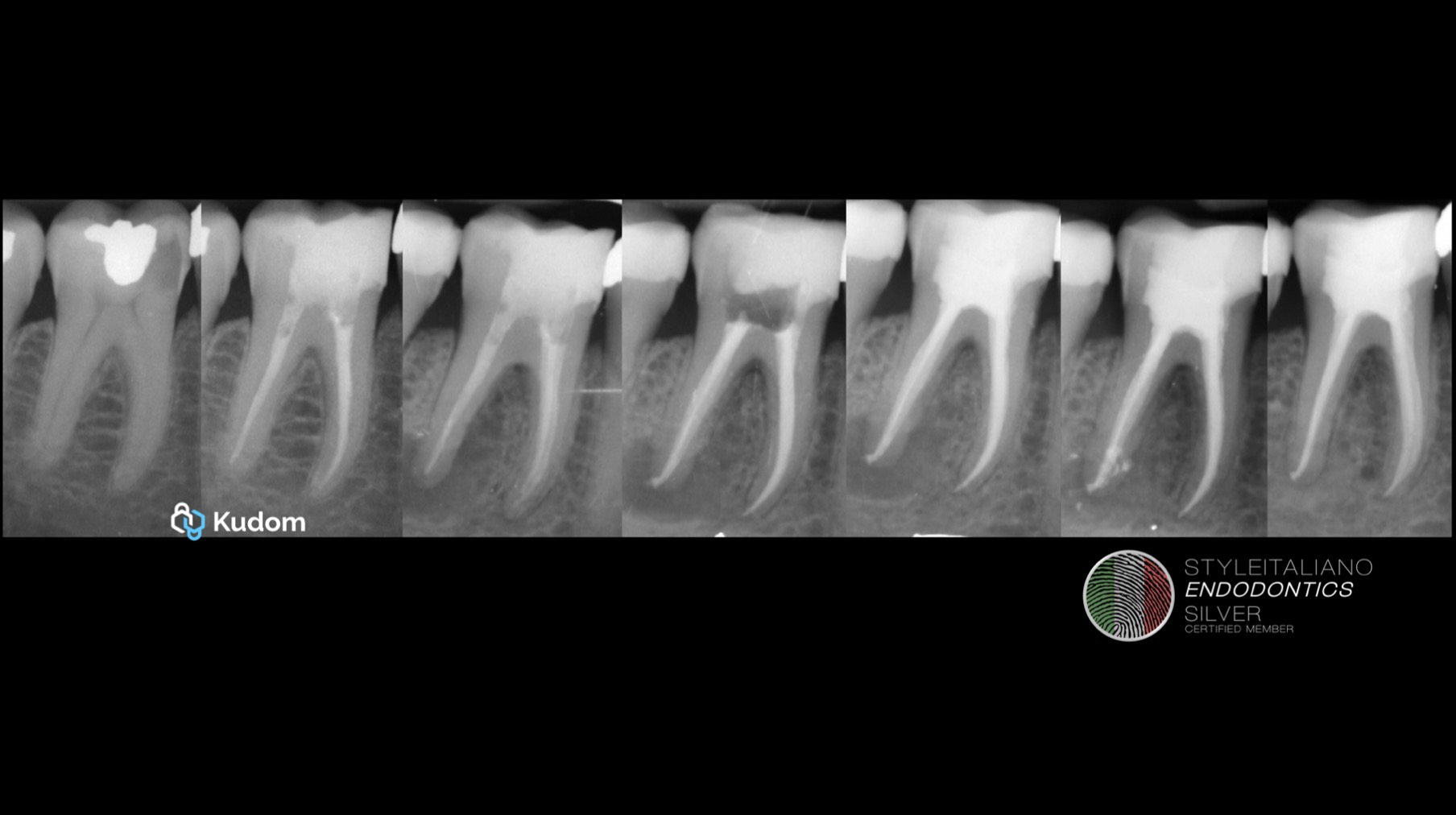 Endodontic retreatment of a molar: a long-term case analysis
Failed primary endodontic treatment led to lesion; retreatment resolved infection and achieved complete healing over 3 years.
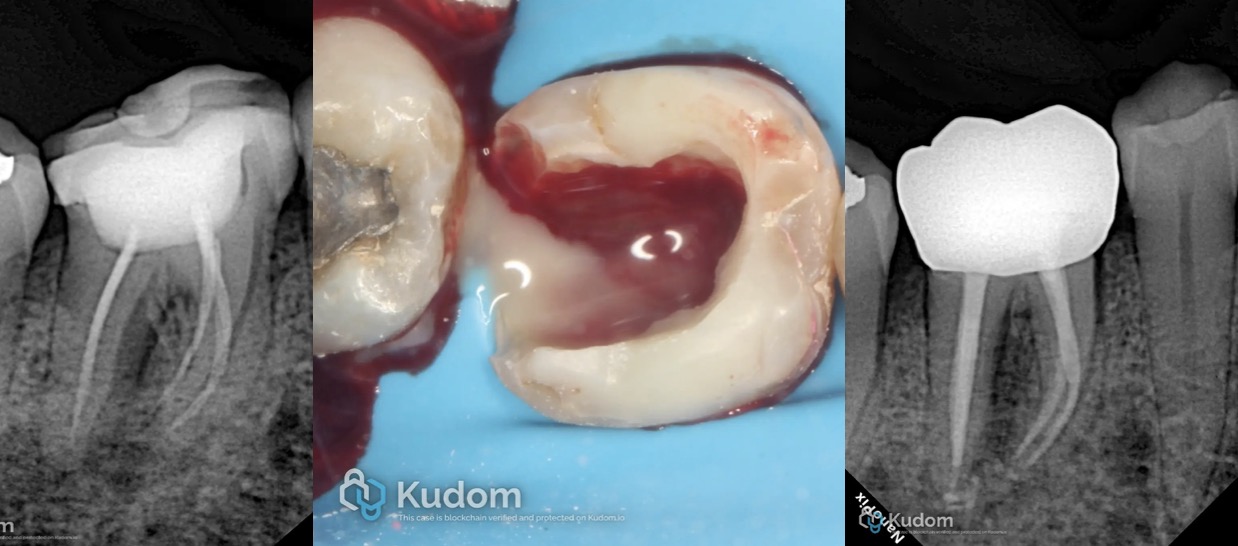 Retreament Lower First Molar With Acute Abcess
Root canal treatment removes infected pulp tissue to eliminate harmful bacteria and prevent future infection inside the root canals. Proper shaping and cleaning of the canals are essential before they are sealed with a three-dimensional filling. Demand for root canal treatment has increased in recent years because preserving natural teeth is now preferred over extraction.(1) […]
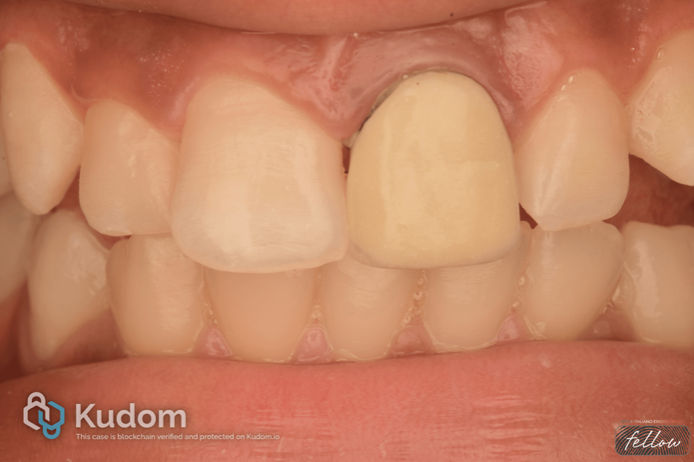 Non-surgical Endodontic Retreatment of a Failed PFM-Crowned Immature Maxillary Central Incisor with Open Apex
A Comprehensive Clinical Protocol From Diagnosis of Failure to Aesthetic Composite Rehabilitation.
Endodontic failure in immature permanent teeth presenting with open apices poses a significant clinical challenge, compounded further when gross over-obturation, coronal leakage, and intrinsic discoloration coexist. This article describes the non-surgical retreatment of a maxillary left central incisor in a 14-year-old female patient who presented with a chronically failing, PFM-crowned tooth exhibiting a clinically detectable open margin, a draining sinus tract, a history of recurrent swelling, periapical pathology, an incompletely formed apex (open apex), and gross over-obturation of approximately 5–6 mm beyond the radiographic apex.
 Conservative Retreatment Challenges and Solutions
Endodontic Retreatment is primarily a biologic procedure aimed at eliminating persistent or secondary intraradicular infection while preserving tooth structure. Failure is always associated with residual infection , missed anatomy and inadequate chemo-mechanical debridement. ( Nair, 2006; Siqueira & Rocas, 2014). By Regaining Access to inadequately debrided anatomical complexities we are enabled to renegotiate and target […]
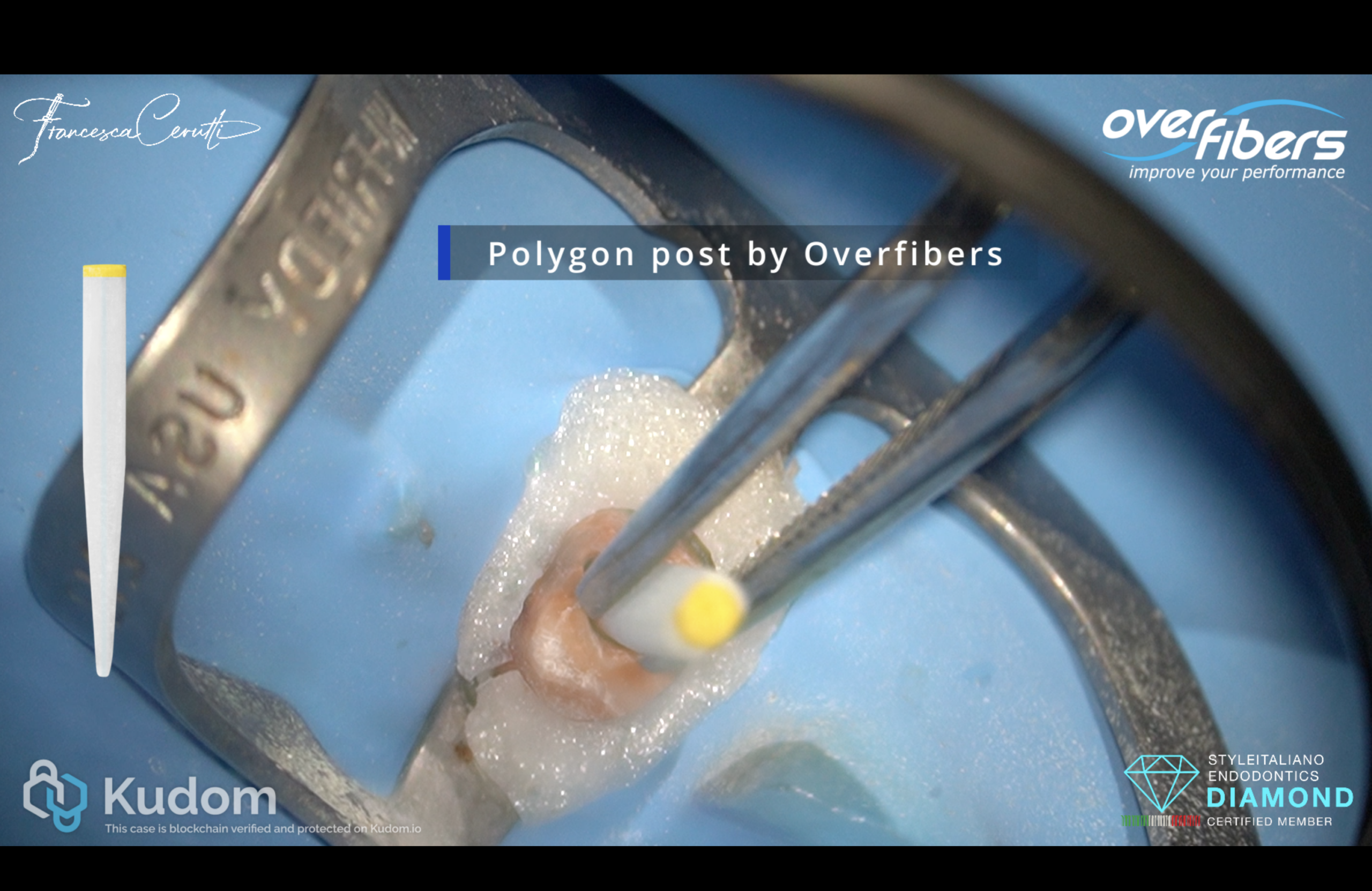 Endodontic retreatment and post endodontic restoration of a central incisor
In this case I had to retreat two badly decayed teeth. We put provisional crowns first, in order to preserve the aesthetics of the patient between treatments, then I scheduled two appointments for endo + post endo + adaptation of the provisional crown. After that, the patient had the final crowns.
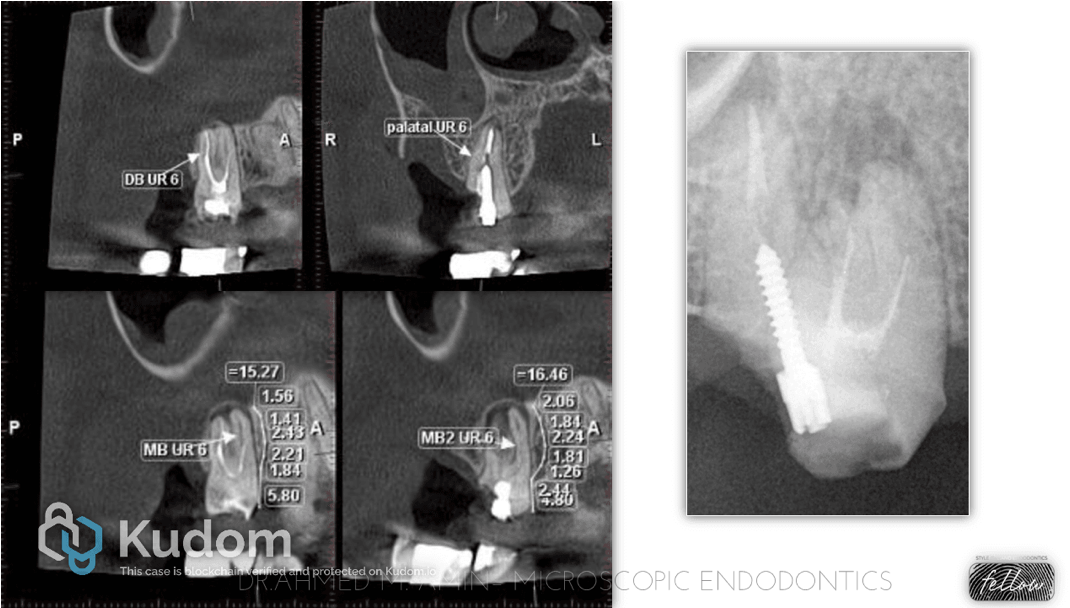 Retreatment of badly decayed tooth with multiple mishaps
In the world of endodontics, the line between a routine procedure and a clinical "detour" can be incredibly thin. Whether it’s a stubborn calcified canal or an unexpected instrument fracture, mishaps are less a sign of incompetence and more a reflection of the biological and anatomical complexities we face daily.
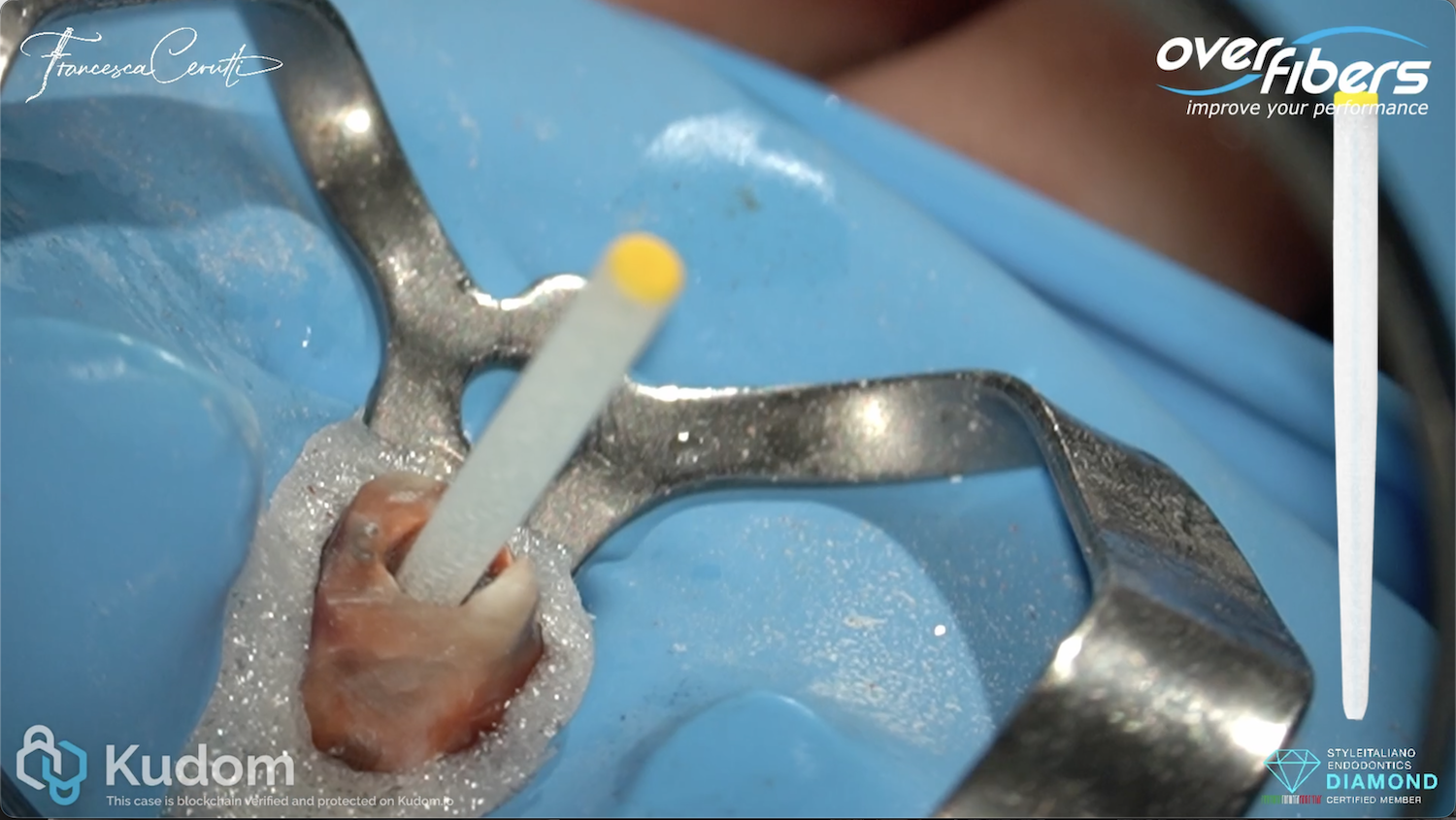 Retreatment and post-retained restoration in a central incisor
When a tooth has undergone root canal treatment and has lost a large amount of coronal structure, the restorative challenge is not only to replace missing tissue, but to recover function in a biomechanically predictable way. In this context, the use of a fiber-reinforced endodontic post can be particularly advantageous, as it helps to retain […]