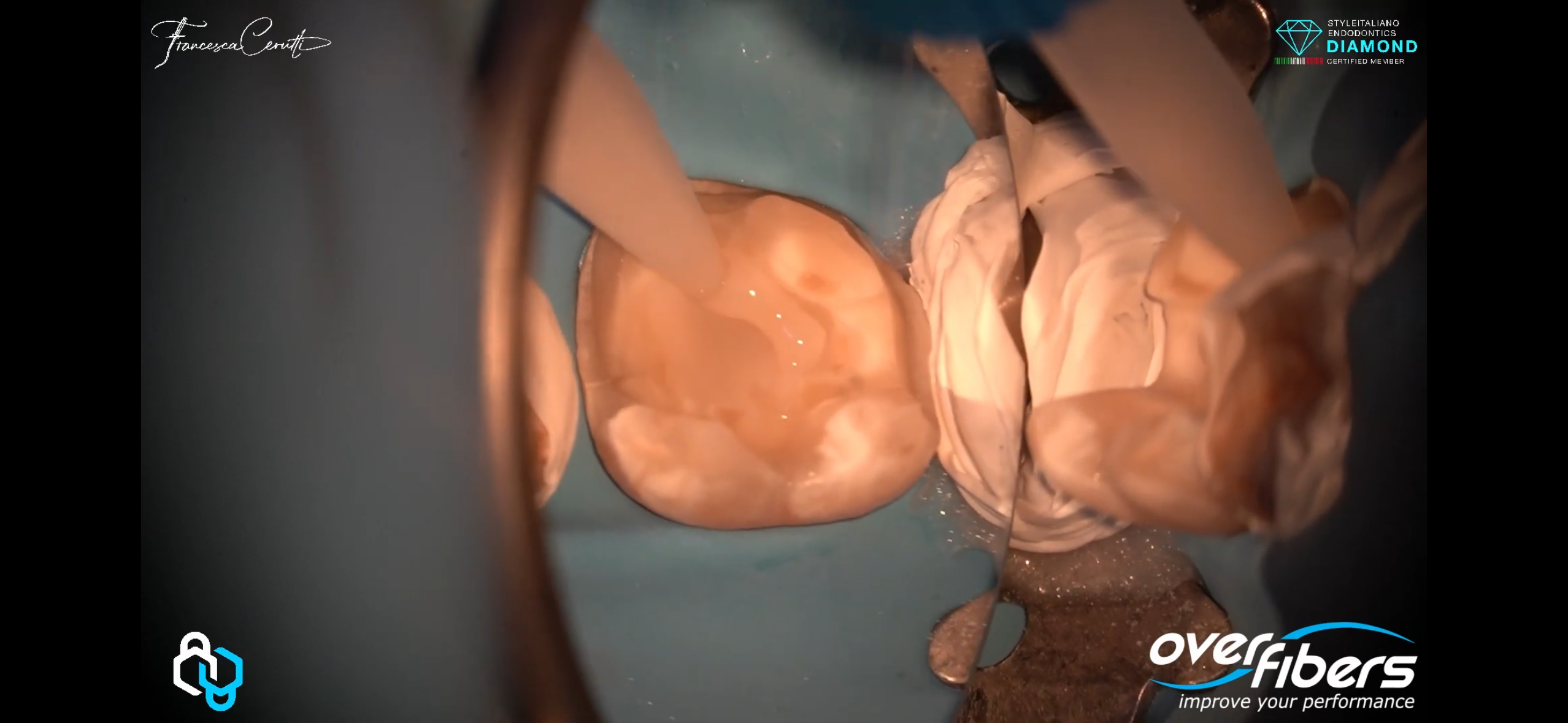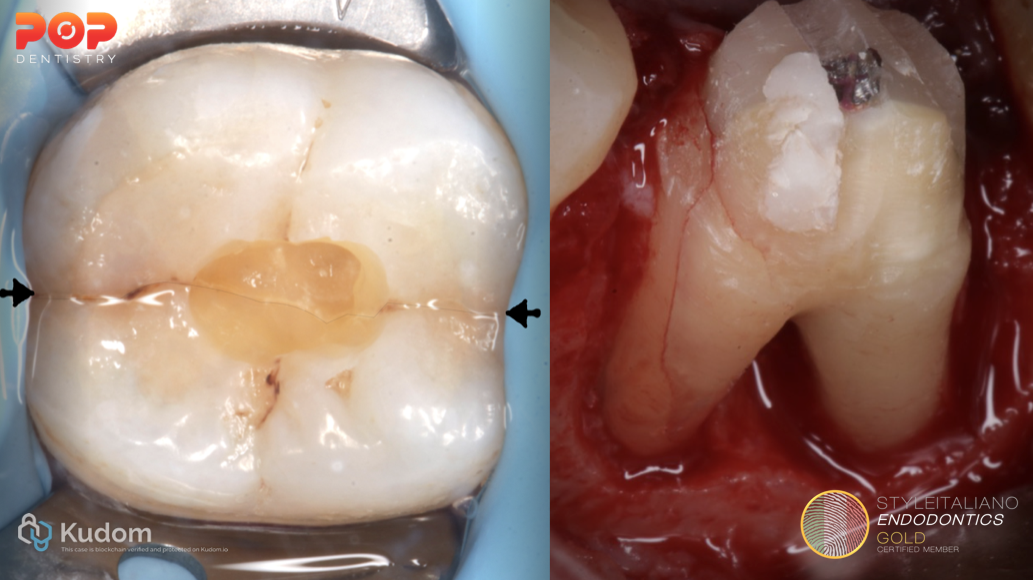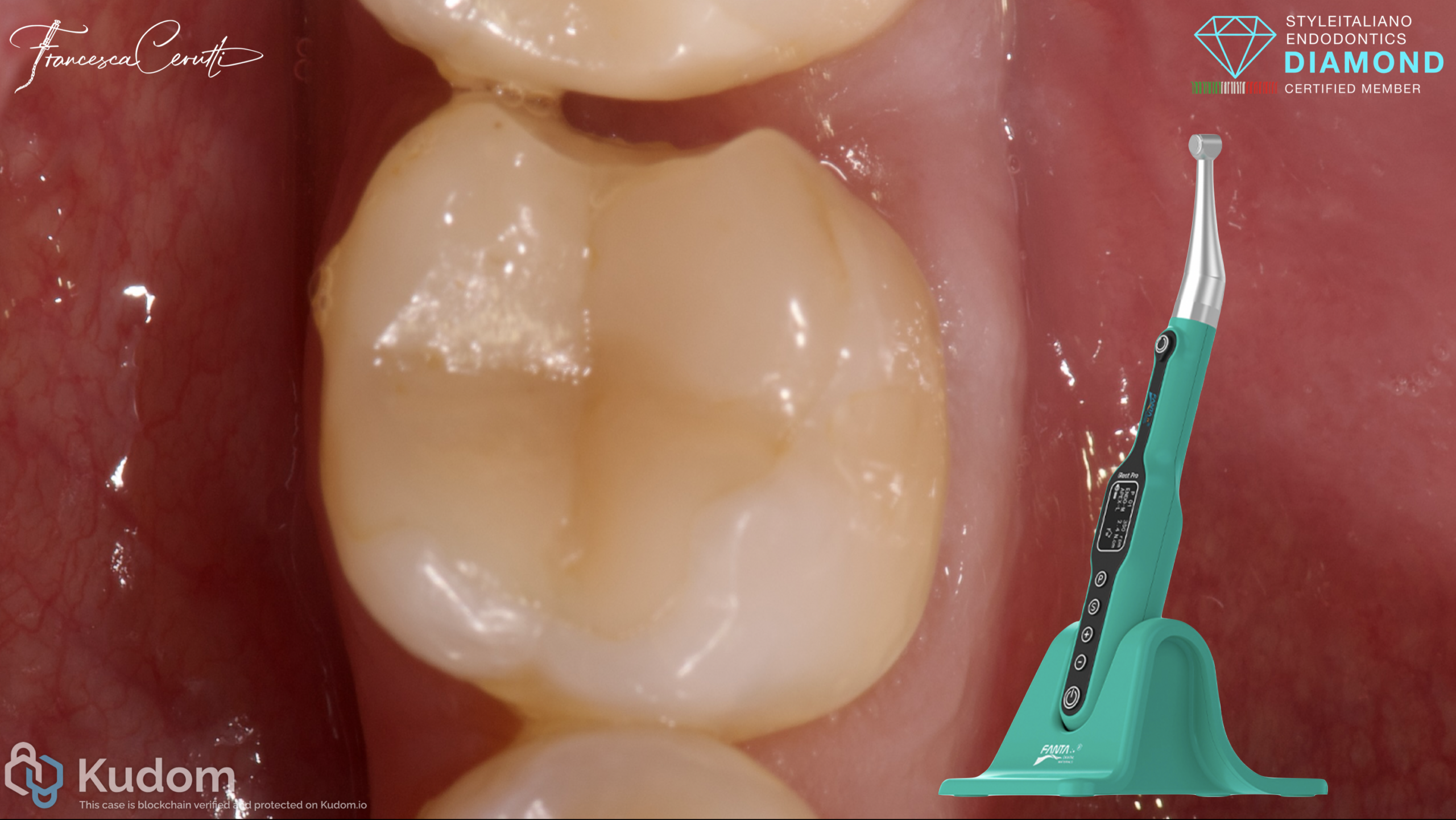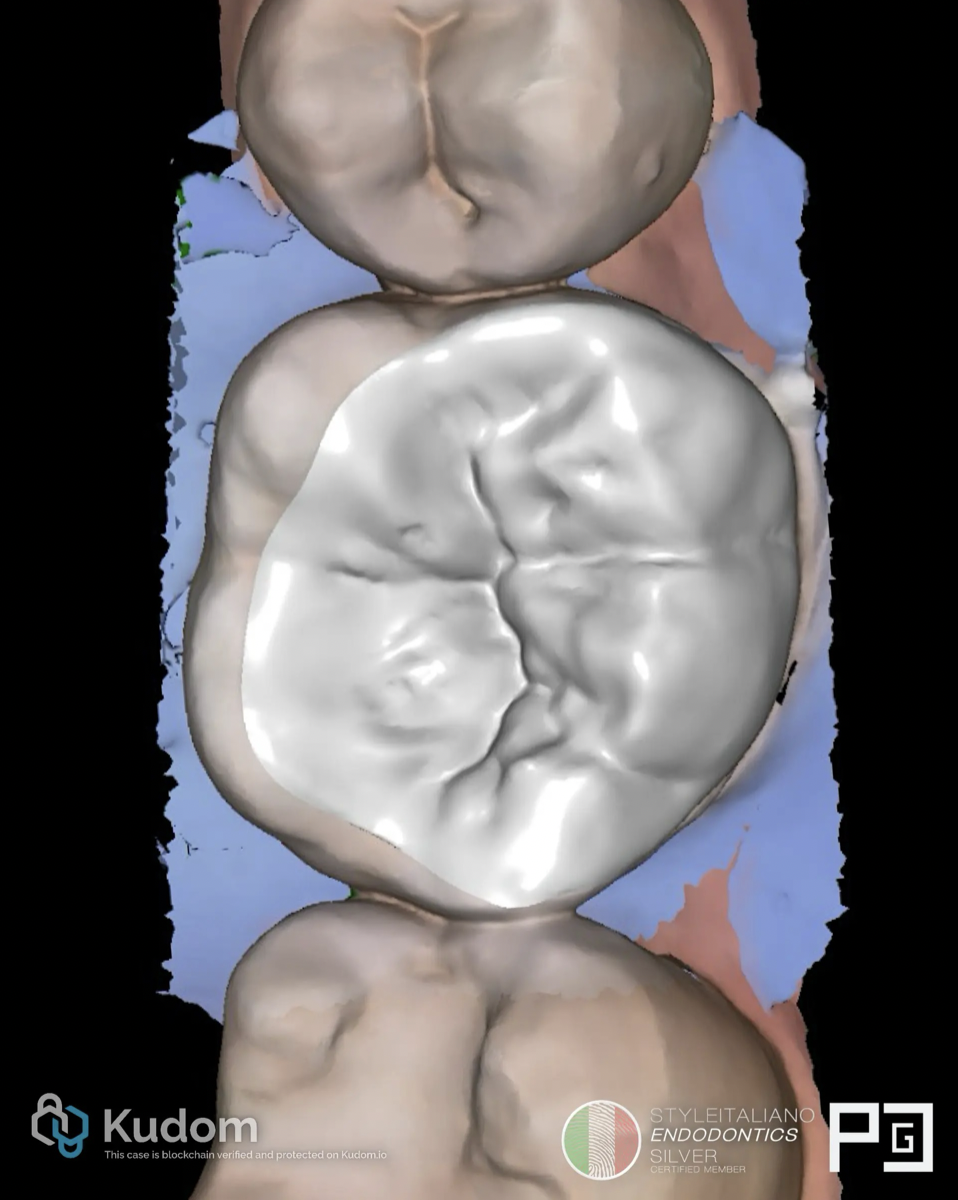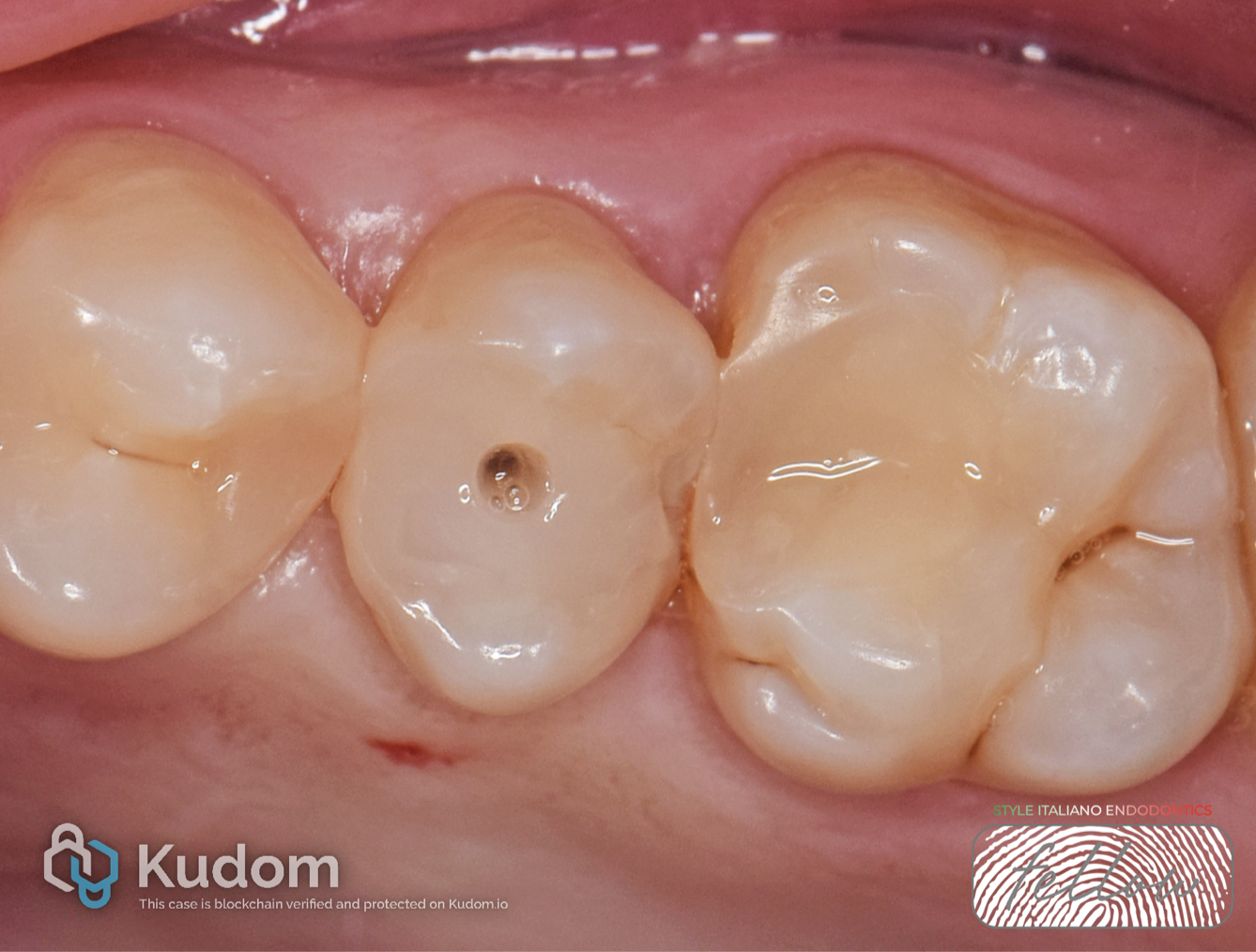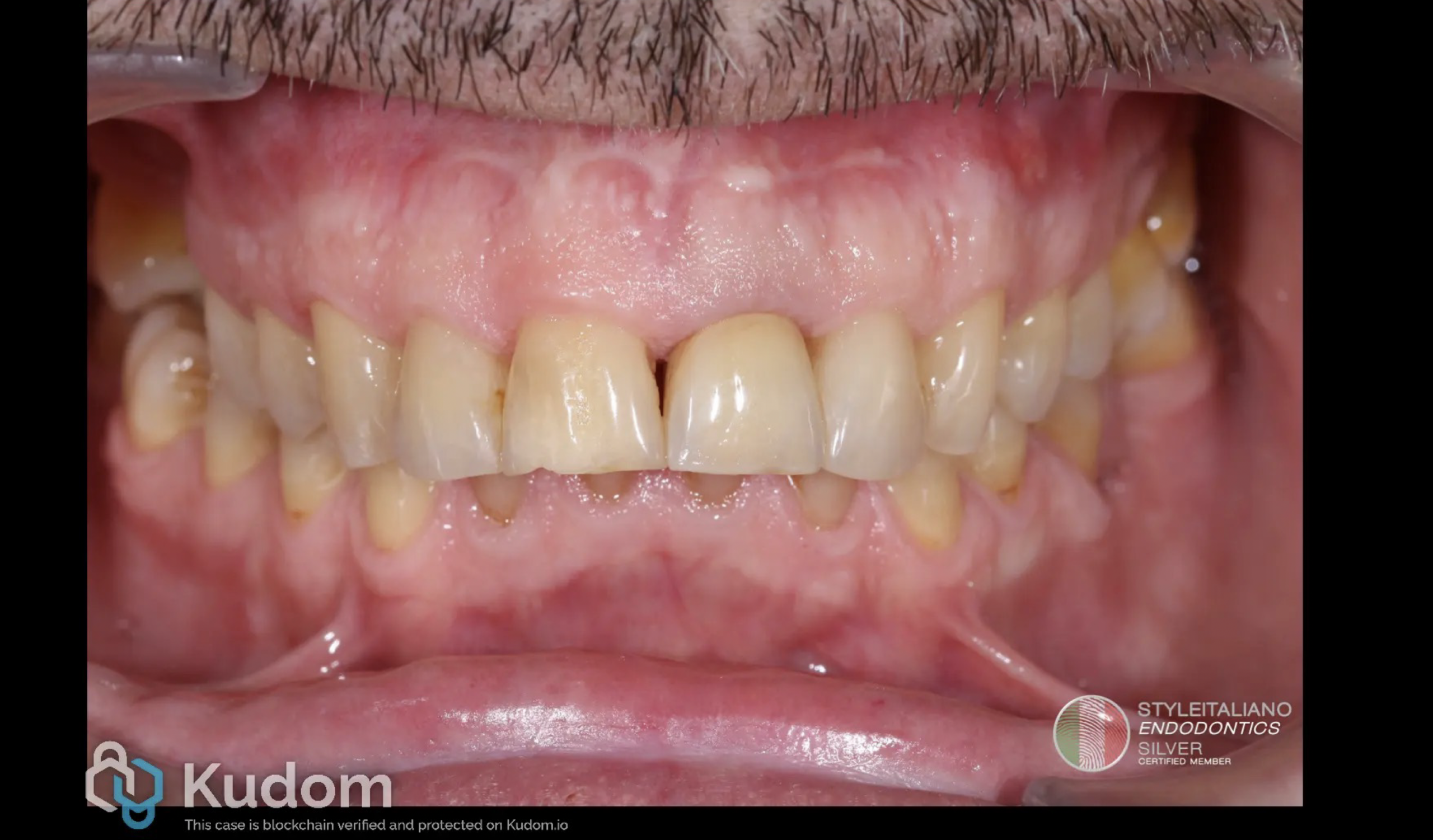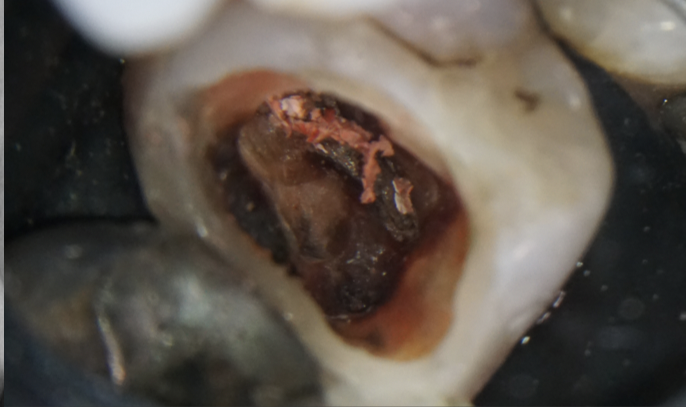
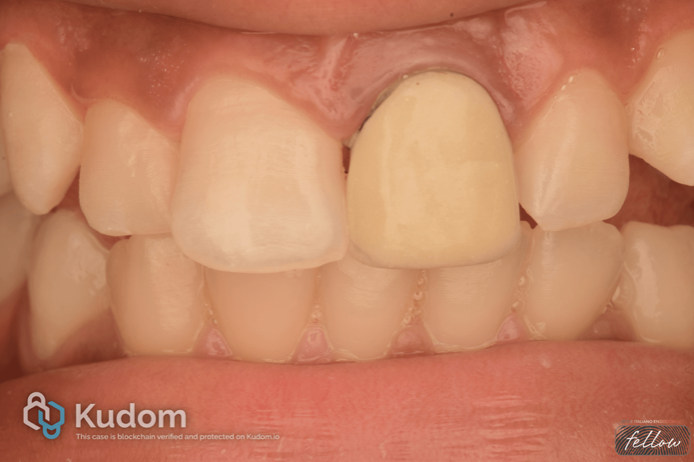
A 47-year-old female patient presented with a structurally compromised maxillary left second premolar (tooth 25) following completed endodontic treatment. Due to the significant loss of coronal tooth structure, a post-endodontic […]
Overpost restoration of tooth 25
A 47-year-old female patient presented with a structurally compromised maxillary left second premolar (tooth 25) following completed endodontic treatment. Due to the significant loss of coronal tooth structure, a post-endodontic […]
Clinical and Anatomical Challenges in Mandibular Molars: A Comparative Analysis of Two-Canal versus Six-Canal Systems with Apical Pathosis
Mandibular molars exhibit one of the highest degrees of anatomical variability in the human dentition. While the classical configuration involves two or three canals, extreme variations exist, ranging from simplified […]
Retreatment and post endo restoration with Overfibers post
A patient came to my attention complaining about impossibility to chew on the right side of the mouth. A defective restoration was found on the first upper molar, with a […]
Endodontic Management of a Mandibular Molar with Iatrogenic Perforation, Ledges and Missed Canals
Successful endodontic therapy begins with a properly designed access cavity, which is the foundation for locating, cleaning, and shaping the root canal system. Inadequate or misdirected access can lead to […]
When Anatomy Fights Back: retreatment of a C-shaped mandibular second molar
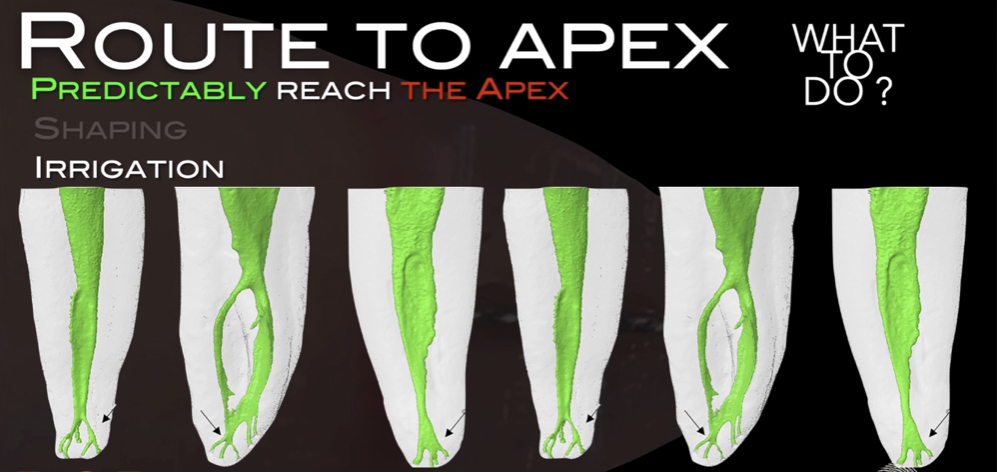
Re-treatment of C-shaped mandibular molars demands 3D cleaning and sealing beyond files; a stepwise strategy improves predictability.
Biological Approach to Revitalization in Immature Permanent Teeth: No-instrumentation Technique
Treatment for immature, necrotic permanent teeth is showing a paradigm shift in moving from a non-biological, barrier-creating approach (apexification) to a biological, tissue-regeneration approach. Conventional root canal treatment has a […]
Transforming a Non-Visible Separated File into a Visible Fragment: A Conservative Retrieval Approach
Instrument separation is a well-recognized complication in endodontic practice, and its management can significantly influence the long-term prognosis of the tooth. While some fractured instruments are readily visible and accessible, others remain hidden, particularly when located beyond canal curvatures. Non-visible fragments pose a greater challenge, as blind retrieval attempts risk excessive dentin removal, perforation, or structural weakening of the root.
C-shaped molars
The c-shaped canal is an antomical variation that was first reported by Cooke & Cox in 1979 and mostly seed in mandibular molars, although it can occur also in mandibular premolars and maxillary molars
A challenging referral a previously initiated therapy complicated by a separated file in the mesial root and a multiplanar curvature.
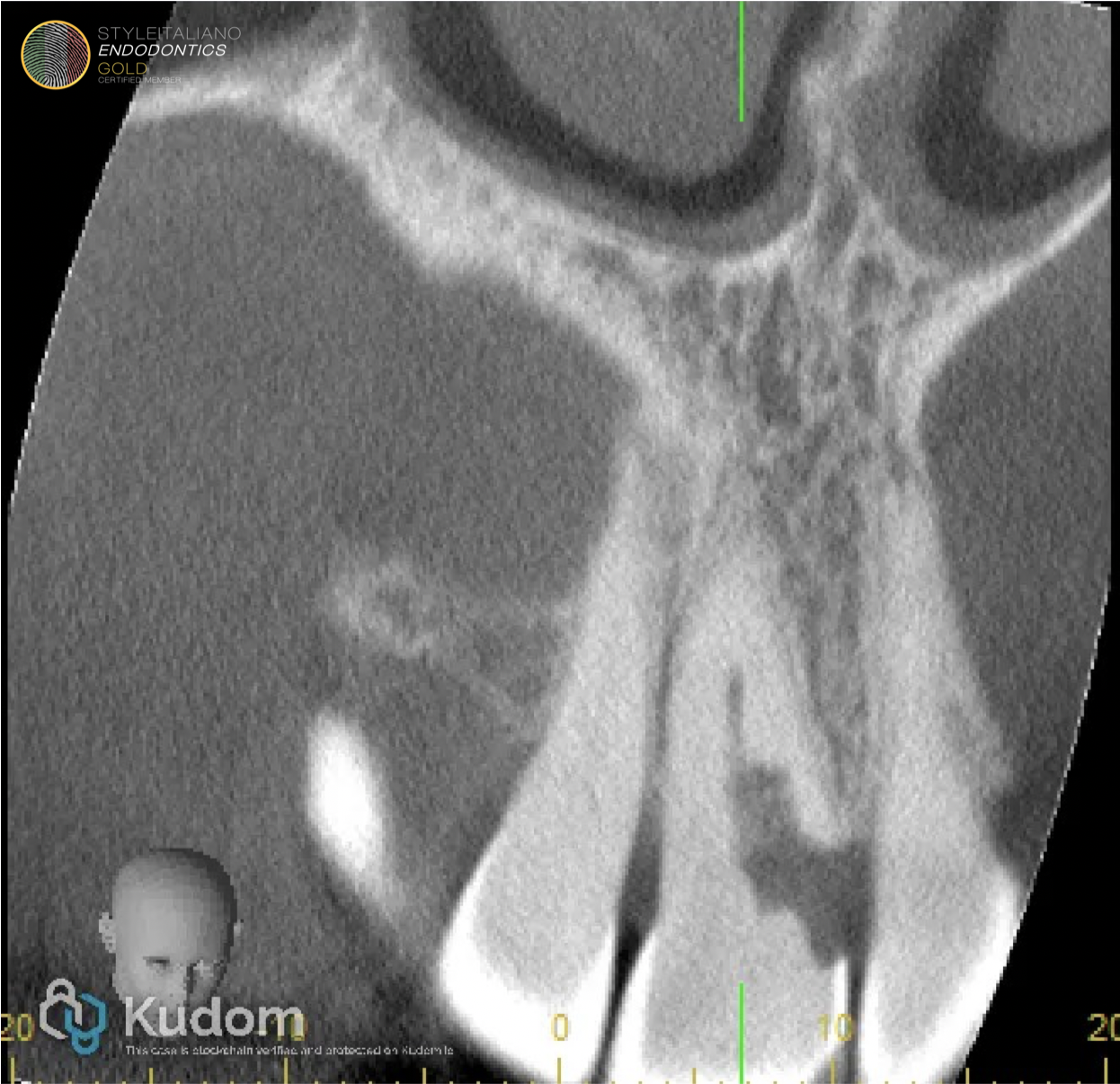
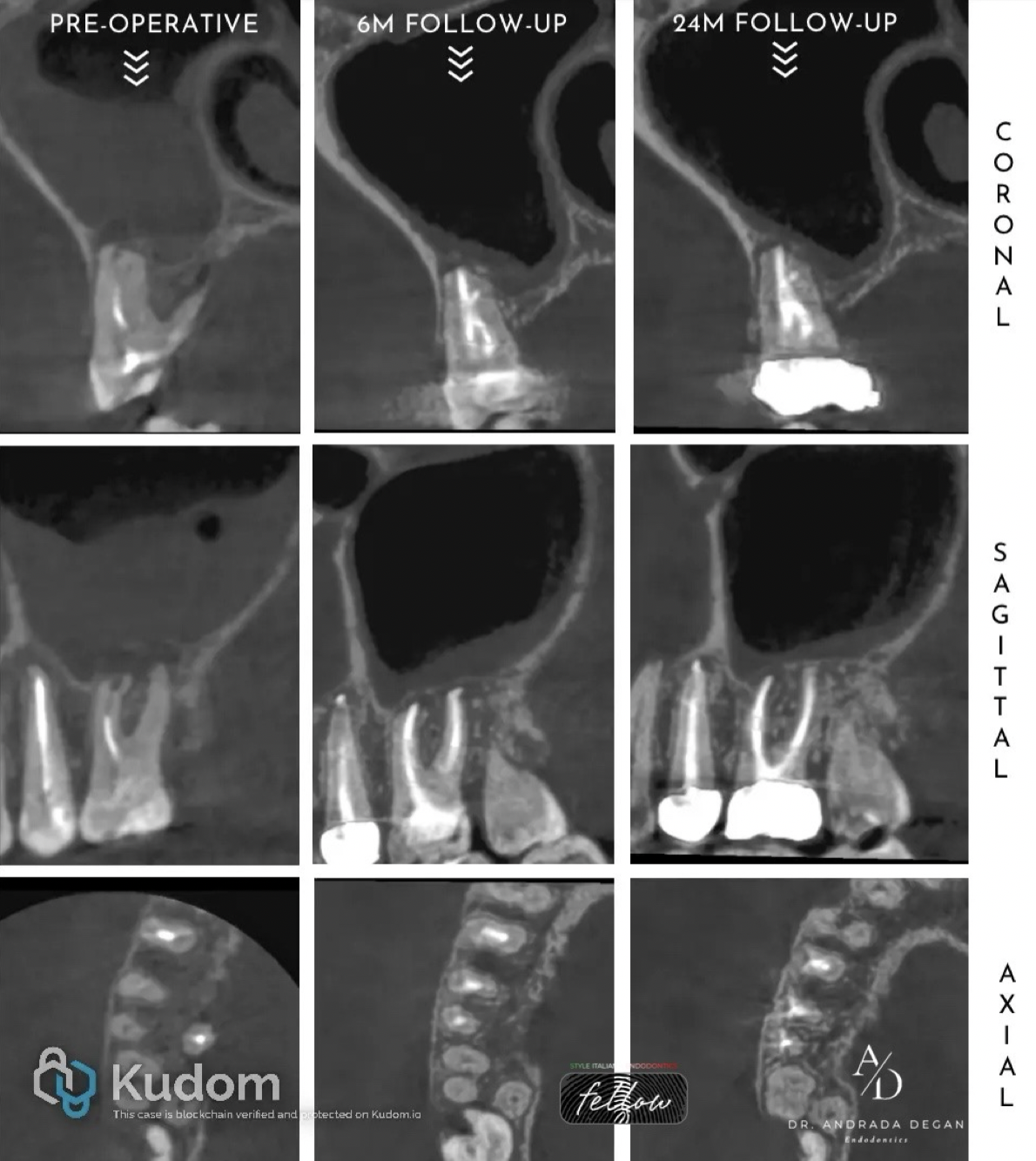
Endodontic–restorative management of a periapical lesion involving tooth 25: diagnosis, treatment, and clinical outcome
Endodontic–restorative management of tooth 25 with periapical lesion: confirmed necrosis and 11 -months radiographic healing.
Detection and Management of a Missed Middle Mesial Canal: CBCT and Operating Microscope-Guided Retreatment. A Case Report
Mandibular molar retreatment due to an missed middle mesial canal. CBCT and Operanting Microscope are essential to identify the etiology and achieve three-dimensional disinfection. A Case Report
SEALING COMPLEXITY. Bioceramic use in Advanced Root Canal Anatomy. A true Middle Mesial & Middle Distal Canals Management!.
Variations in root canal anatomy, particularly the presence of middle mesial and middle distal canals, pose a significant clinical challenge.
Complex canal anatomies demand advanced strategies for effective cleaning, shaping, and obturation.
This article demonstrates how meticulous canal exploration, enhanced disinfection protocols, and bioceramic-based obturation can successfully manage such complexities, achieving a predictable three-dimensional seal.