External cervical resorption (ECR) is an aggressive form of root resorption (RR), which initiates from the external cervical area of the tooth. Its aetiology is mostly unclear. As in this […]

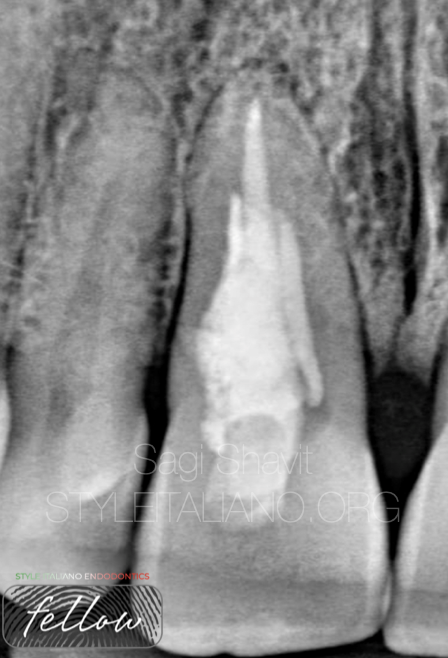 External cervical resorption
External cervical resorption (ECR) is an aggressive form of root resorption (RR), which initiates from the external cervical area of the tooth. Its aetiology is mostly unclear. As in this […]
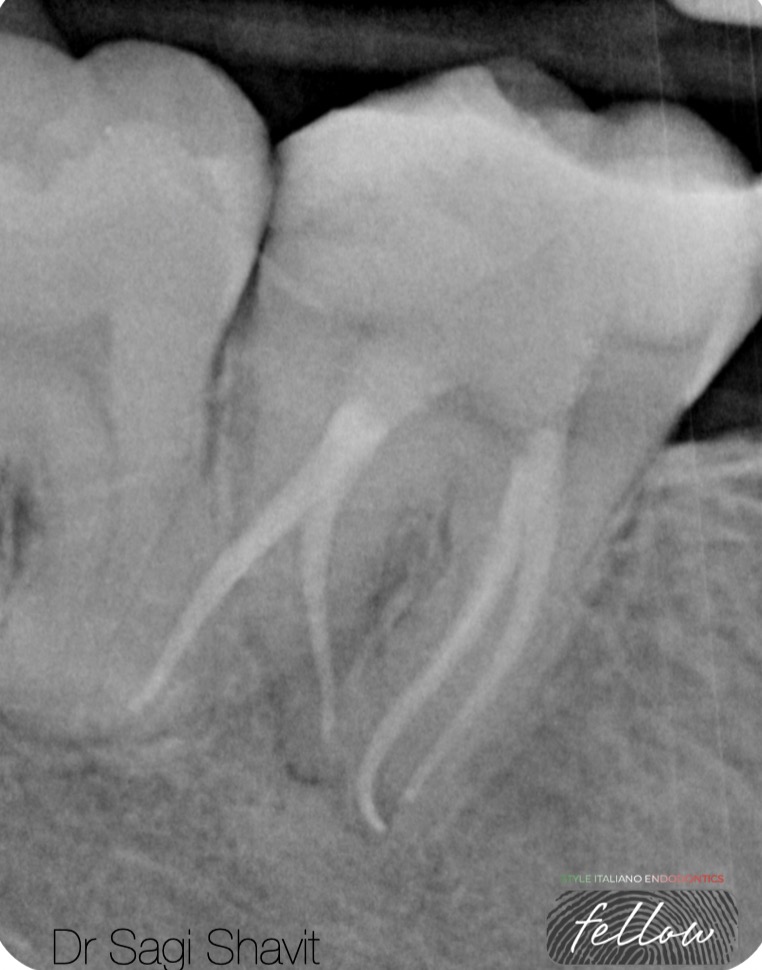 3 rooted Lower Second Molar
Most mandibular second molars are usually found to have two roots (76%) or one root (22%). The incidence of 3 roots anatomy in such teeth is considered a rare finding […]
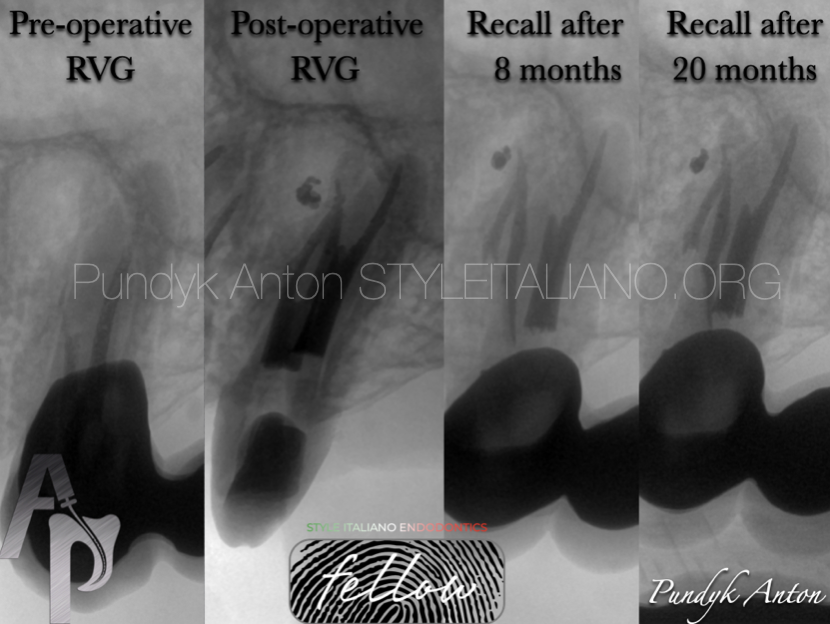 Retreatment of teeth with a complex root system anatomy #1
The second maxillary premolar may have 1 to 3 roots: with one root canal in 75-96% of cases, with two root canals in 4-24% and three root canals in 0-1%. […]
 Revive and Shine: Retreaty – The Perfect Partner for Flawless Endodontic Retreatment
This particular case serves as an illustrative example of the application of correct rotary protocol in the execution of a root canal procedure within a mandibular first molar with calcified and missed canal, employing Retreaty files from Perfect Endo.
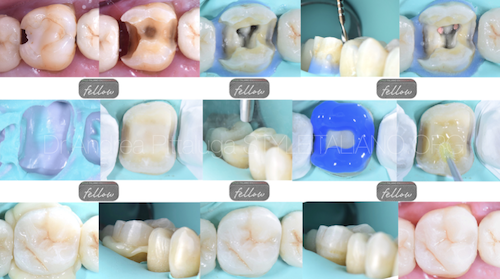 Two Appointments Endo Resto: a simplified workflow to make prosthodontics helpful to endodontics
The aim of the article is not to introduce a new technique, but to combine existing and consolidated ones in order to maximize the ergonomics, quality and predictability of our treatments; the proposed protocol was designed to satisfy the work mantra "the best work, in the shortest time, in the greatest comfort" and therefore entirely focused on reducing chair time and maximum operational facilitation.
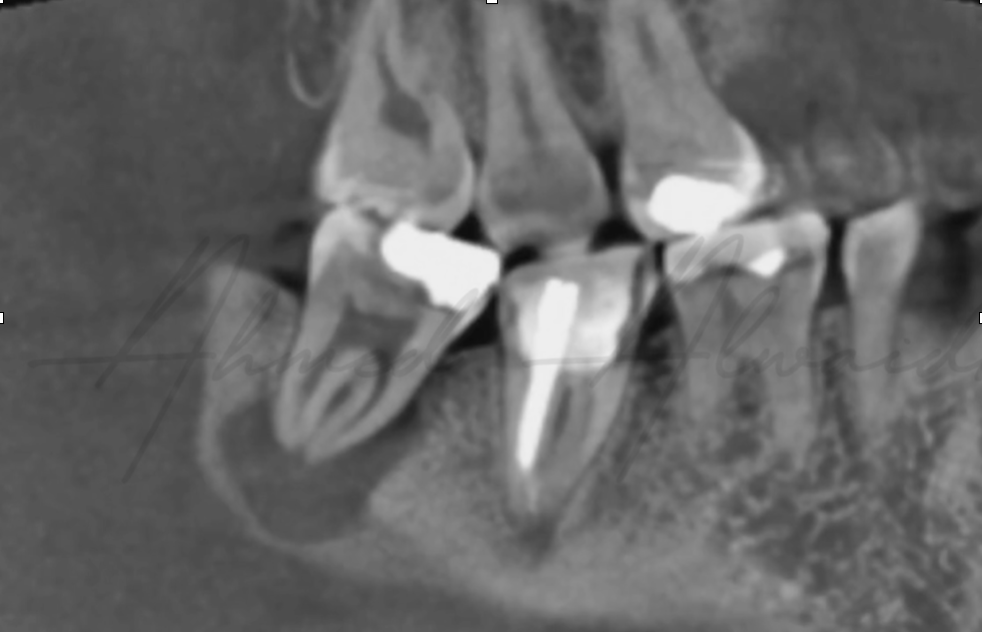 Favourable outcomes of a massive peri-apical lesion with the use of bioceramics
Healing of big periapical lesion is a real challenge. But with the use of contemporary devices, techniques, tools and materials, have increased the outcomes of such situations
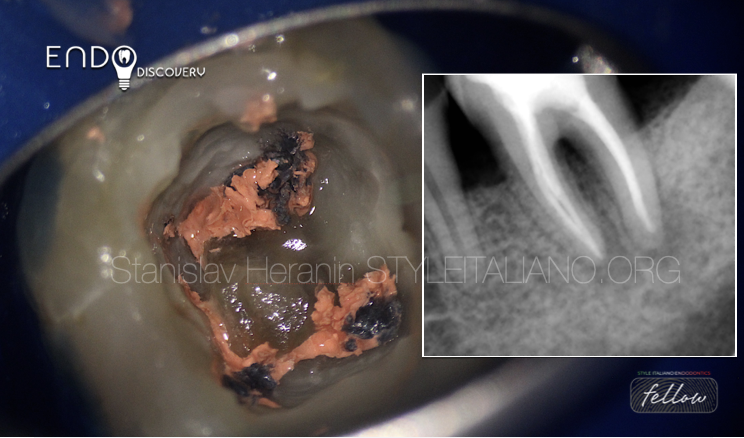 How to desobturate Thermafil
Amongst the different stages of endodontic retreatment, filling material removal may be performed by using manual files and rotary instruments. Further, desobturation may be associated with ultrasonic activation and different types of solvents, although they are currently used with less frequency. However, no retreatment technique is reliable enough to clean root canal system completely after reinstrumentation.
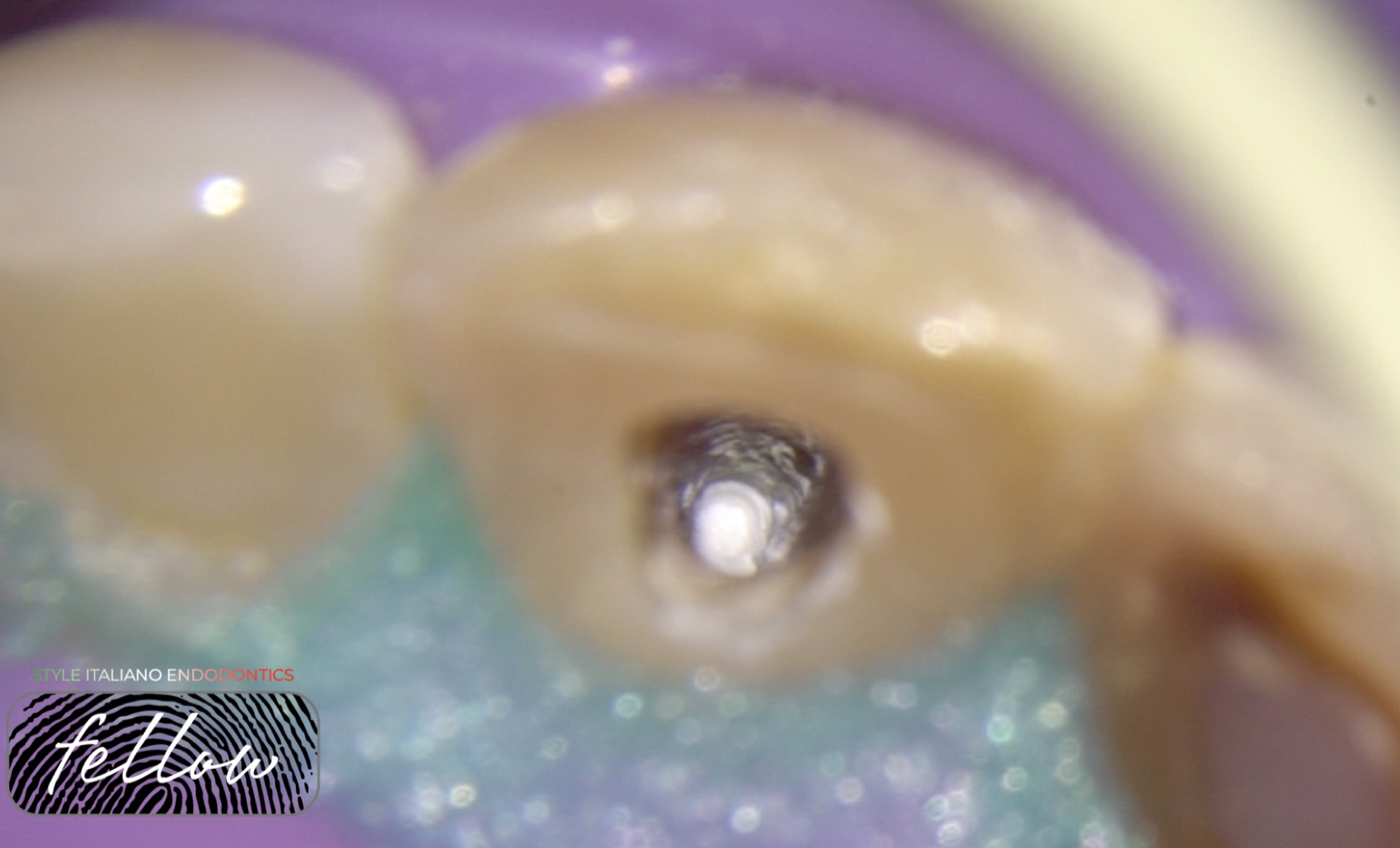 Apical plug with Bioceramic putty
The purpose of this article is to explain all the phases to do in a correct way an apical plug. Today on the market there was a lot of material […]
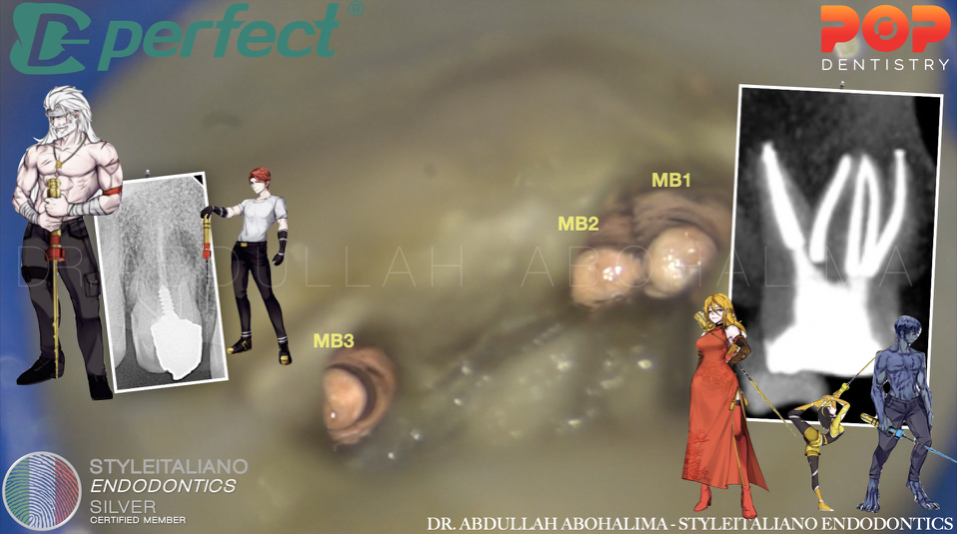 RETREATY : CONSERVATIVE RETREATMENT FOR UNUSUAL ANATOMY “MB1, MB2, MB3”
Abiding by the styleitaliano philosophy Retreaty kit allowed a more conservative way in retreatment cases by having 3 different alloys to help in managing the cases in feasible, teachable & repeatable approach
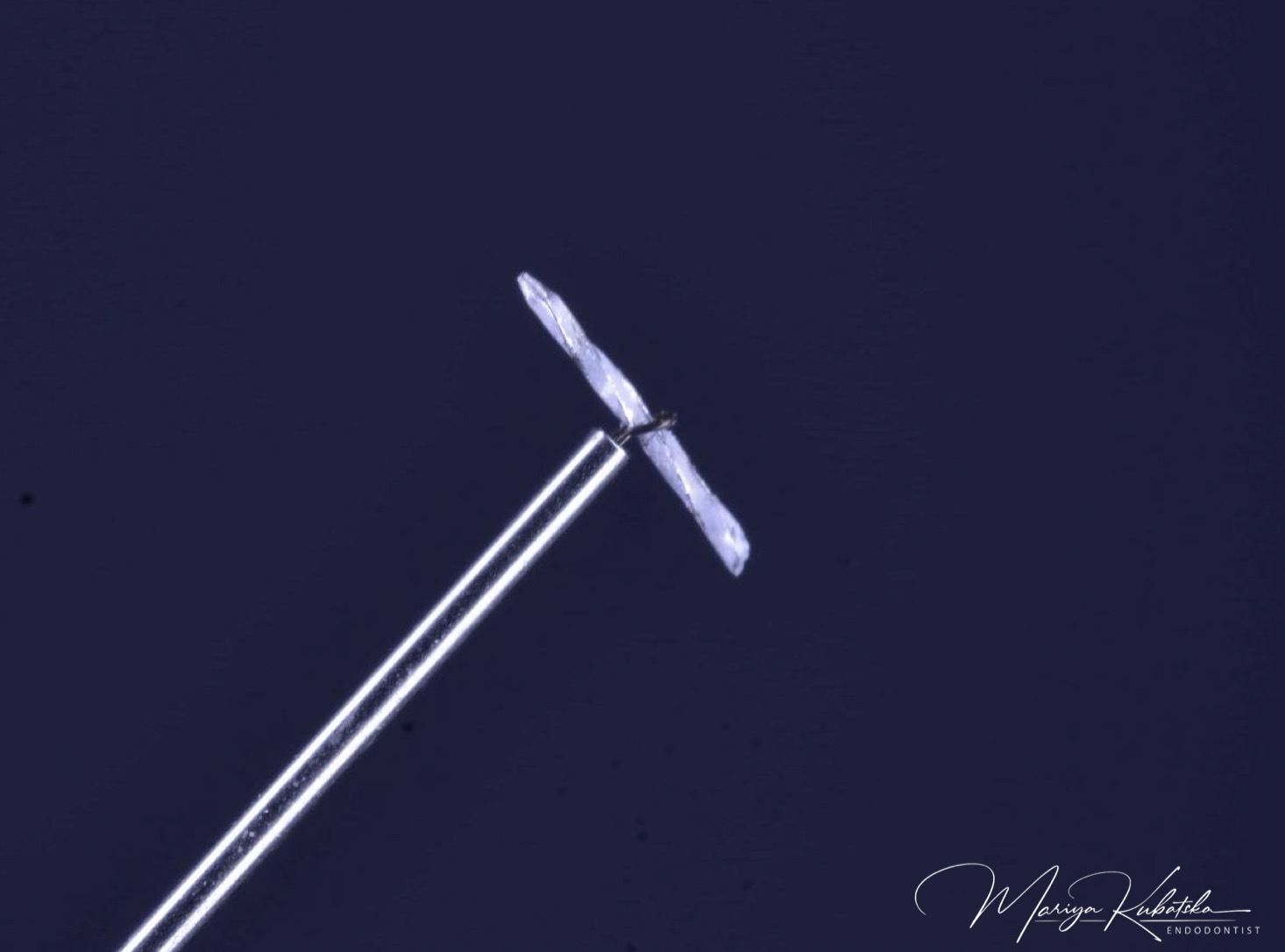 The broken file to retrieve or to leave ?
Endodontic cases involving broken instruments are among the most challenging and stressful in the field. Even the top experienced endodontists will agree that removing broken tools demands unwavering calm and […]
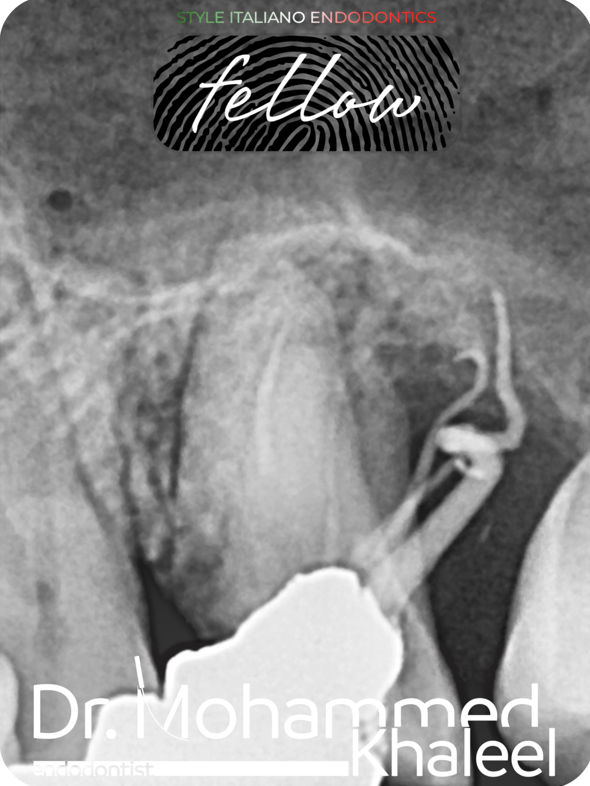 Perforation repair
Perforation is an iatrogenic communication that is formed between the tooth and supporting tissues.
It is important to manage perforations as soon as they are diagnosed.
An ideal peforation repair material is Mineral Trioxide Aggregate.
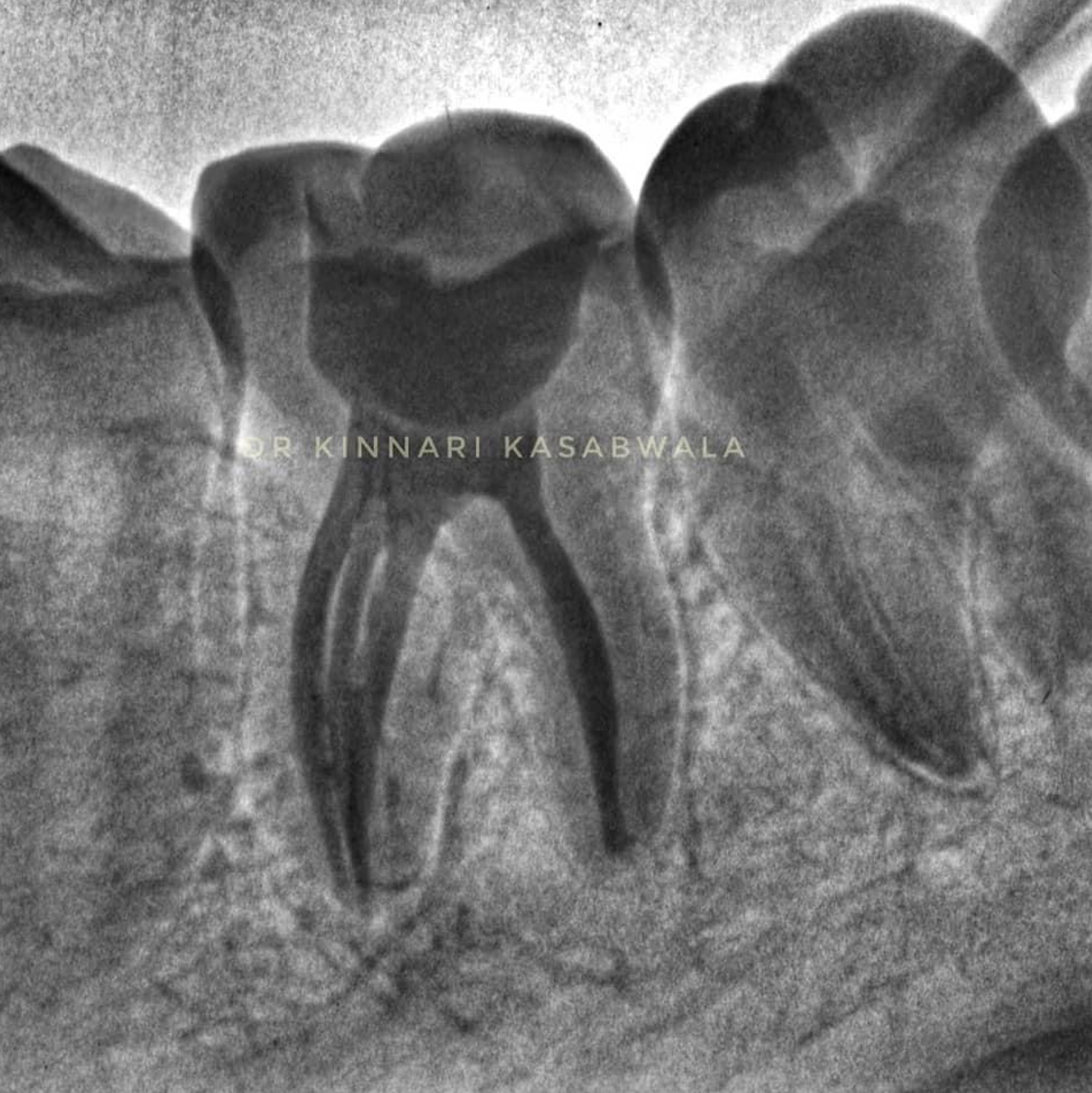 Middle mesial canal – a case series
Middle mesial canal (MMC) is an additional canal found in mandibular first molars. The knowledge of its presence and its detection, negotiation, disinfection and sealing plays paramount importance in the […]