Search results

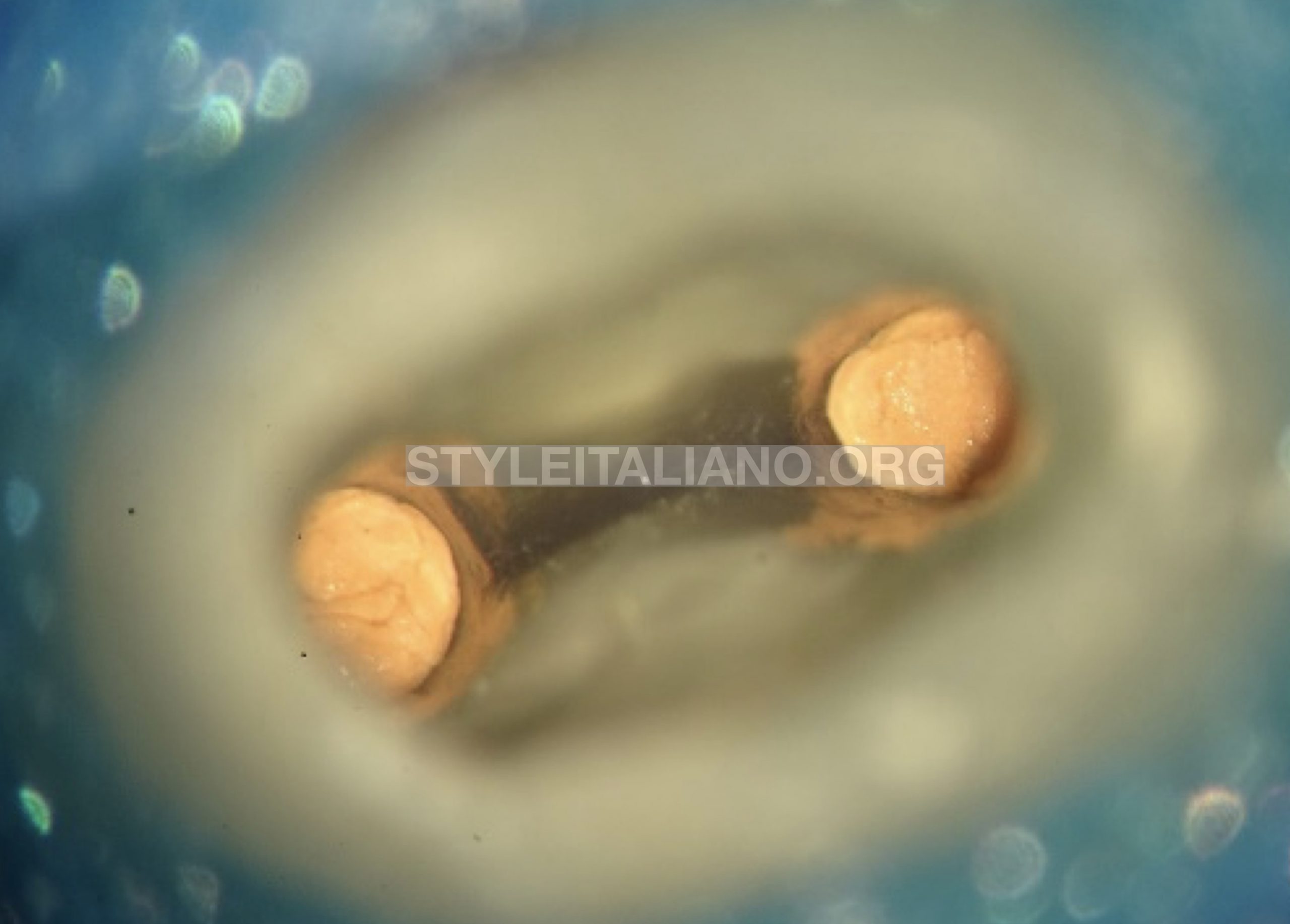
Root perforation management

This article is a short summary and a guideline for all dentists who want to manage different types of root perforation in an easy and predictable way. This article will emphasize the importance of the diagnosis and accessories that will be helpful during the treatment.   Root perforations are one of the common complications that […]
Read More
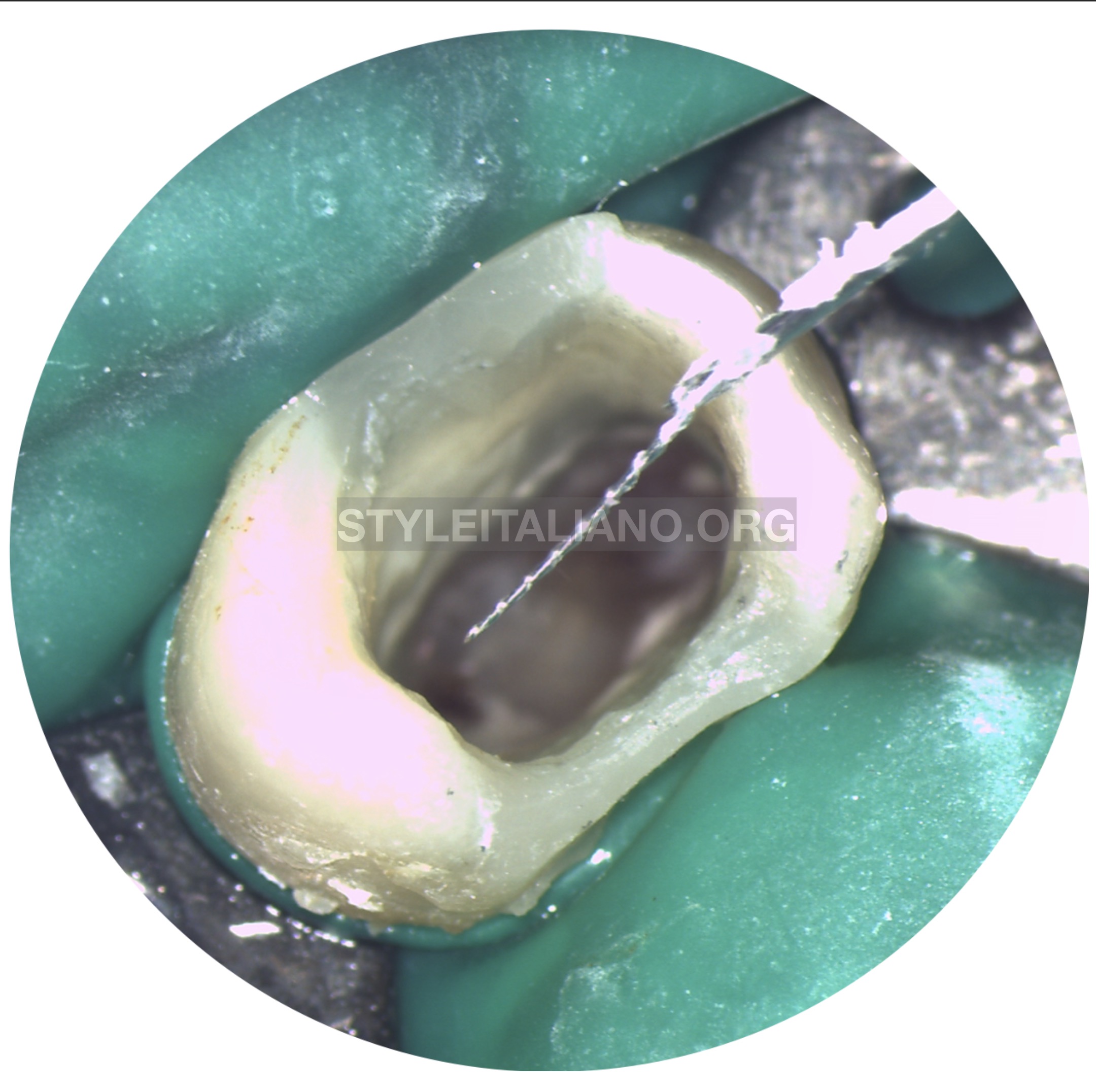
Non surgical management of full-crown restored with symptomatic apical periodontitis: A case report

The reason for performing a primary root canal treatment or a retreatment without dismantling a full crown coverage should be very well considered. It is doubtless that any coronal restoration should be removed before undertaking any orthograde endodontic procedure if infected dentine or coronal leakage is present (Gulabivala, Ng, 2014). Moreover, performing a root canal […]

Read More
Removal of an Anatomic Post and Core A Case Report

Different types pf posts can be placed during restorative procedures; prefabricated ones such as the screw posts, the paraposts or more recently the ceramic post and fiber posts, or the anatomical post commonly called cast post and core. In cases of non surgical retreatment The removal of a post can be challenging depending on the […]

Read More
Non surgical retreatment after surgical treatment of a maxillary central incisor

Nowadays in our practices we can witness a lot of unsuccessful RCT. Sometimes we also can see surgical treatments which are failing . When planning the treatment we should keep in mind that not always surgical treatment means more aggressive treatment and that also surgical treatment can fail. Very often in our practices we have […]

Read More
Re-treatment of Upper right Second Premolar

Success of Endodontic therapy depends upon the triad of thorough cleaning and shaping, disinfection & adequate obturation up-to the calculated working length of the root canals. Failure to follow the protocol in any of the above steps can lead to failure of the endodontic treatment. Reading a preoperative periapical radiograph is of utmost importance. Though, […]

Read More
Redefining the access in retreatments: Part II of V

One of the most important steps of the endodontic therapy is the execution of the access cavity. Very often the failure of the therapy arises from an incorrect realization of this initial step, with consequences that can lead to the missing of canals, improper detersion and shaping of the root canal system or the fracture […]

Read More
Obturation of root canals with impediments

Impediments (obstructions, obstacles) could be of anatomic (Figure 1) or iatrogenic (Figure 2) origin. Obturation of root canals with impediments potentially presents significant challenge for clinician and different approaches are often necessary in order to achieve successful outcome. If the straight master gutta-percha point won’t fit to length the first choice is to precurve gutta-percha […]

Read More
The removal of filling material during retreatments

The prognosis of initial endodontic treatment is mostly favorable . Nevertheless, failure can occur due to the persistence of bacteria following initial treatment or due to inadequate disinfection, shaping and obturation of the root canal system. The possibility of a secondary infection is also not to be excluded, especially when a defective coronary reconstruction leads […]

Read More
How to remove Eugenate-based cements and gutta-percha

The removal of gutta-percha and sealer from endodontically treated root canals is the first step of any retreatment of teeth obturated with these materials. Gutta-percha is the most common obturation material, used in conjunction with various sealers. The removal of gutta-percha from root-filled teeth is required not only for the retreatments, but also to prepare […]

Read More
Endo - Resto Relationship

The predictors of success and failure in endodontically treated teeth depends on several factors: Apical Pathosis, Bacterial status of the canal prior to obturation, Extent and quality of the obturation and Quality of the coronal restoration, Torabinejad 2008(1). These need to be emphasised since majority of endodontically treated teeth have a badly compromised tooth structure […]

Read More
Redefining the access in retreatments: Part I of V

One of the most important step of endodontic therapy is the execution of the access cavity. Very often the failure of the therapy arises from an incorrect realization of this initial step with consequences that can lead to the missing of canals, improper detersion and shaping of the root canal system until the fracture of […]

Read More
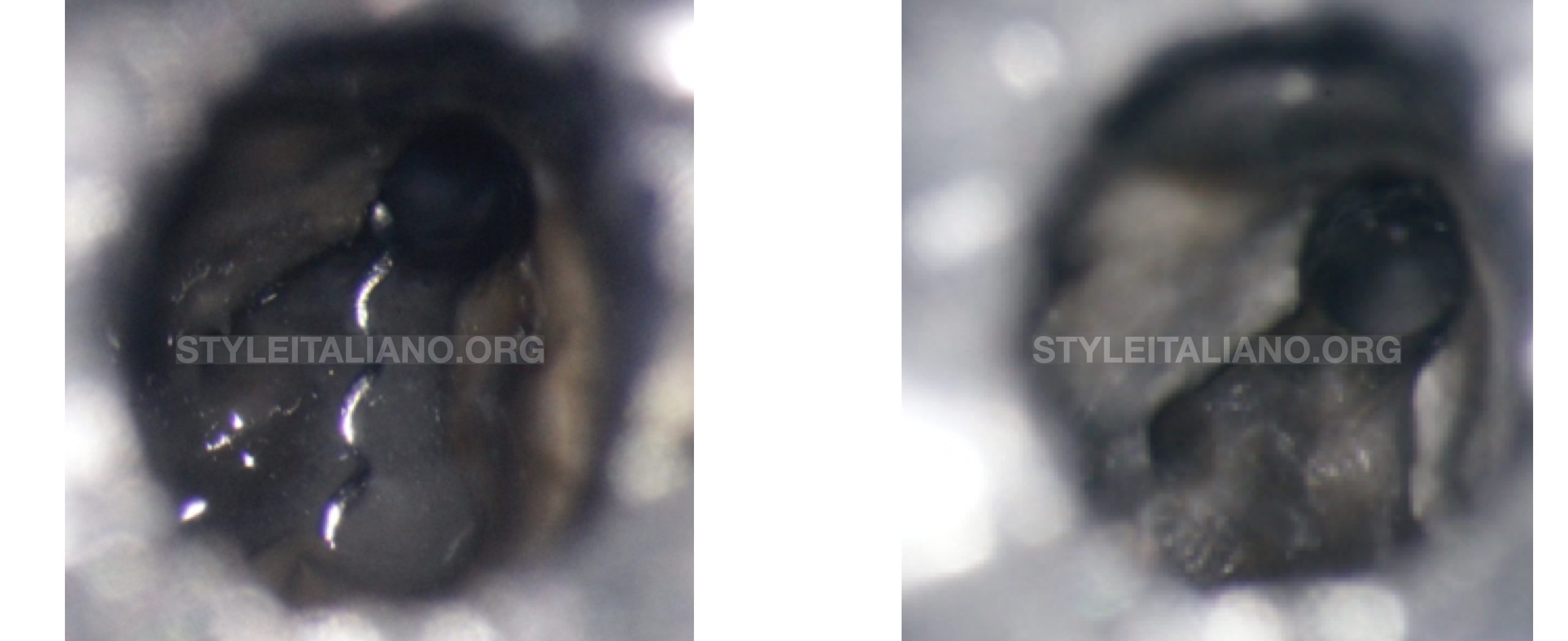
Alternative method for removing fractured instrument: a case report

An alternative method, involving the use of an irrigation needle and cyanoacrylate adhesive, allowed the removal of the fractured instrument from inside of the canal system.  During the mechanical shaping of the root canal system, the possibility of fracture of an instrument is always present. When it occurs, the first step is  dealing with our […]

Read More

Categories

crossmenuchevron-down linkedin facebook pinterest youtube rss twitter instagram facebook-blank rss-blank linkedin-blank pinterest youtube twitter instagram