Bioceramic Sealer: “new” approach for obturation technique.
13/10/2026
Warning: Undefined variable $post in /home/styleendo/htdocs/styleitaliano-endodontics.org/wp-content/plugins/oxygen/component-framework/components/classes/code-block.class.php(133) : eval()'d code on line 2
Warning: Attempt to read property "ID" on null in /home/styleendo/htdocs/styleitaliano-endodontics.org/wp-content/plugins/oxygen/component-framework/components/classes/code-block.class.php(133) : eval()'d code on line 2
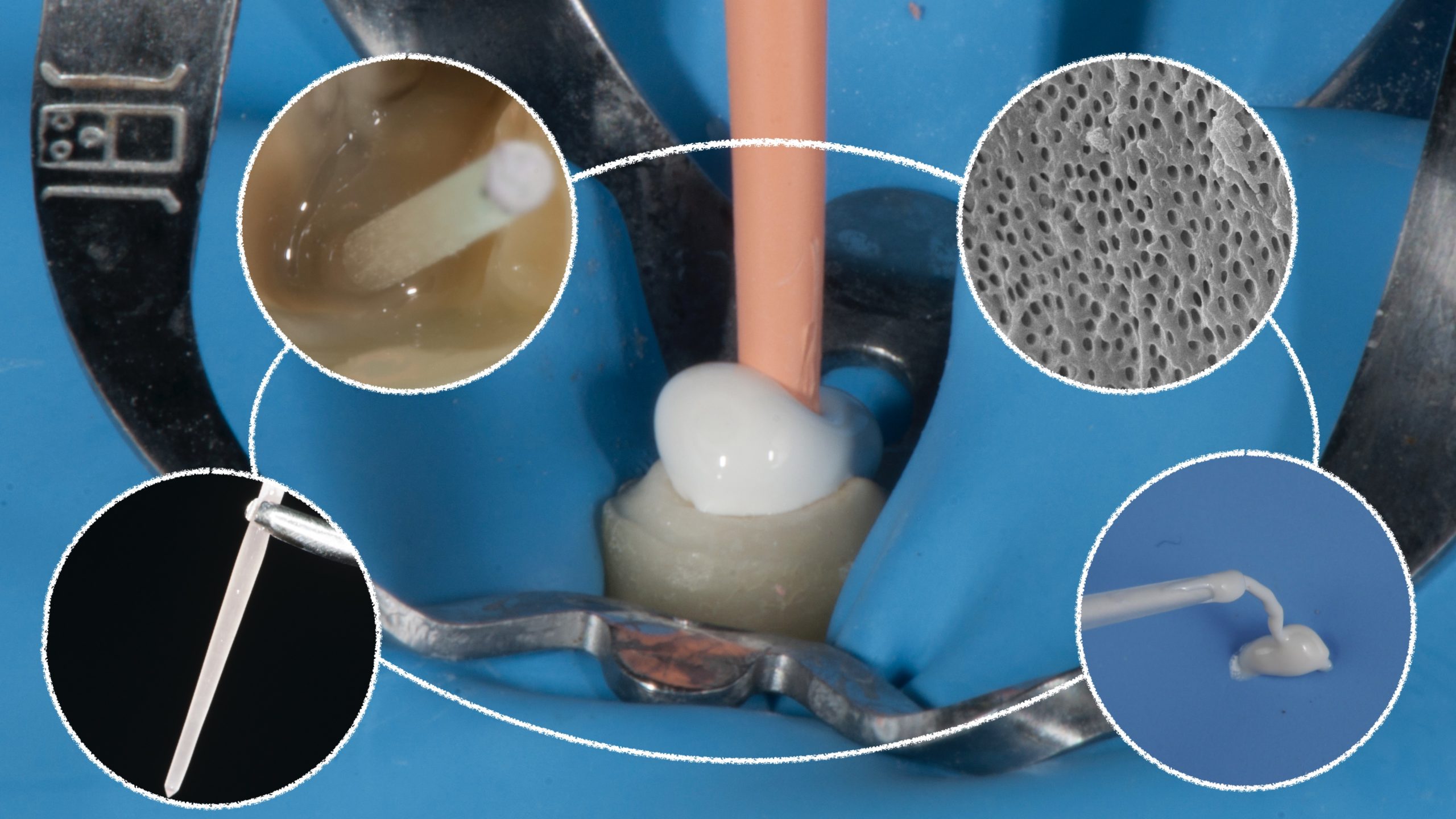
Bioceramic cements have gained increasing popularity in endodontics due to their excellent biological and sealing properties.
These materials are mainly composed of calcium silicate and are characterized by their biocompatibility and bioactivity.
Bioceramic sealers are also hydrophilic, allowing them to perform effectively in the presence of moisture within the root canal system.
This article aims to demonstrate with 3 cases how this type of technique can be adopted in the day-to-day routine of our clinical practice.
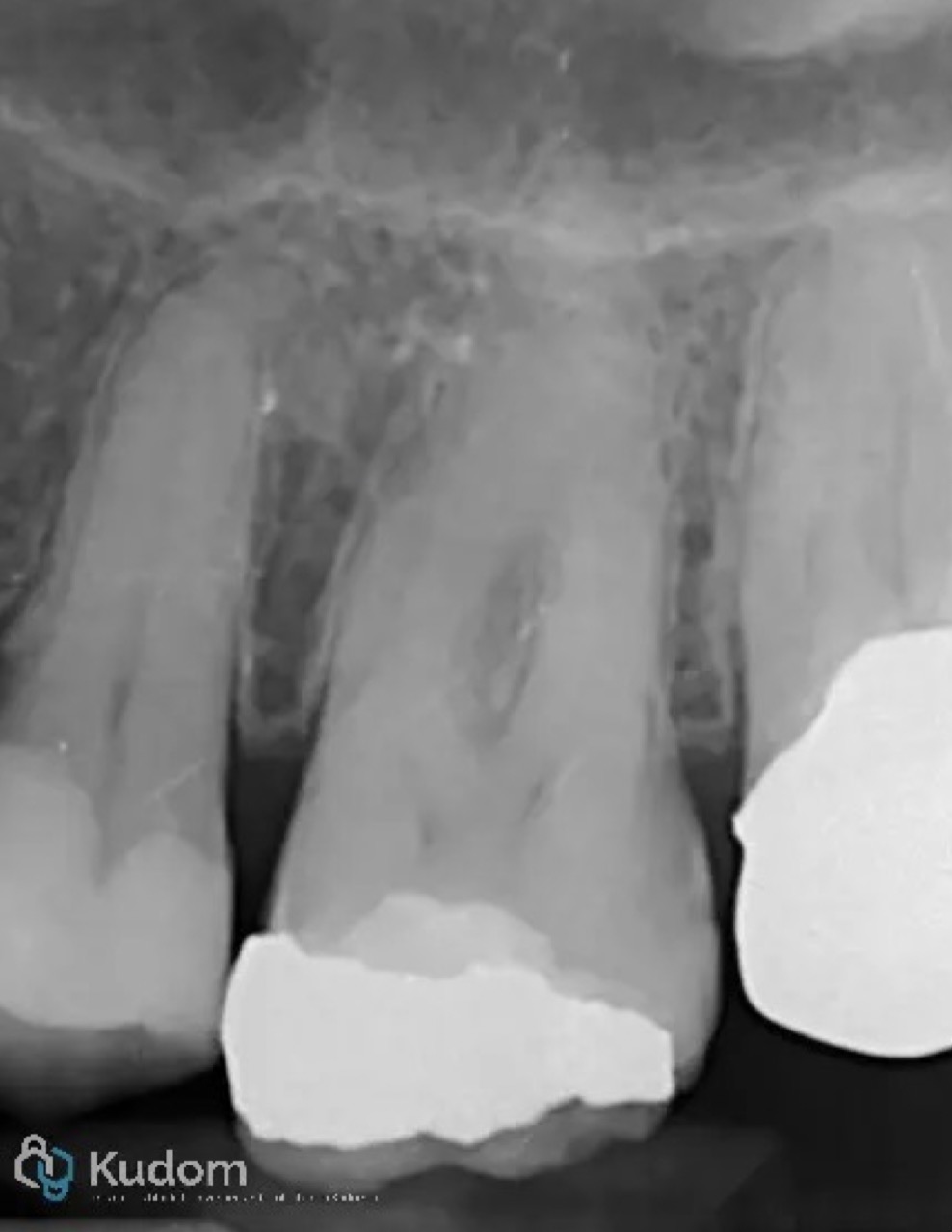
Fig. 1
1 CASE
Pre-operative x-ray for endodontic treatment of first upper molar. After access cavity, shaping and cleaning the obturation phase was done with bioceramic sealer.
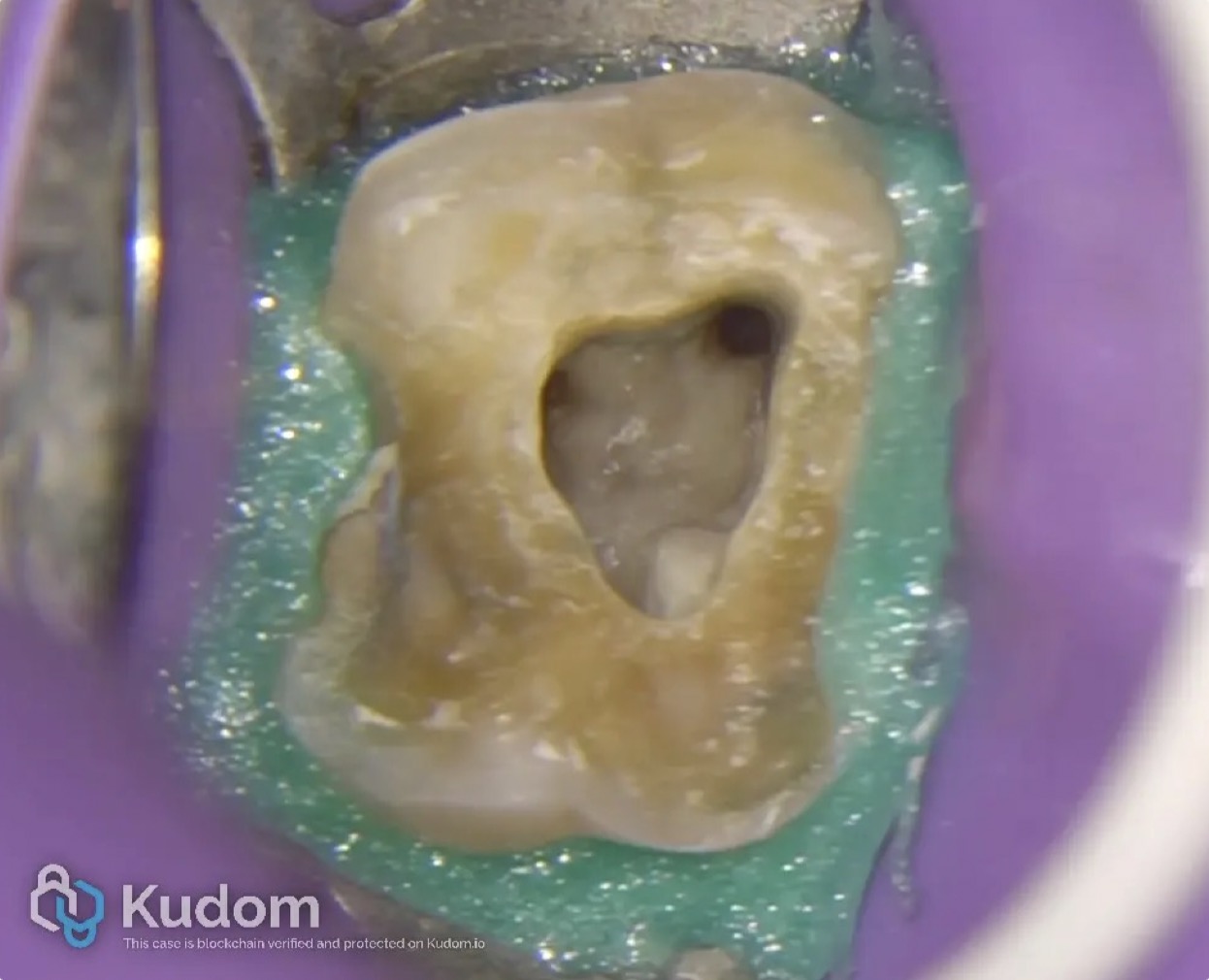
Fig. 2
Access Cavity
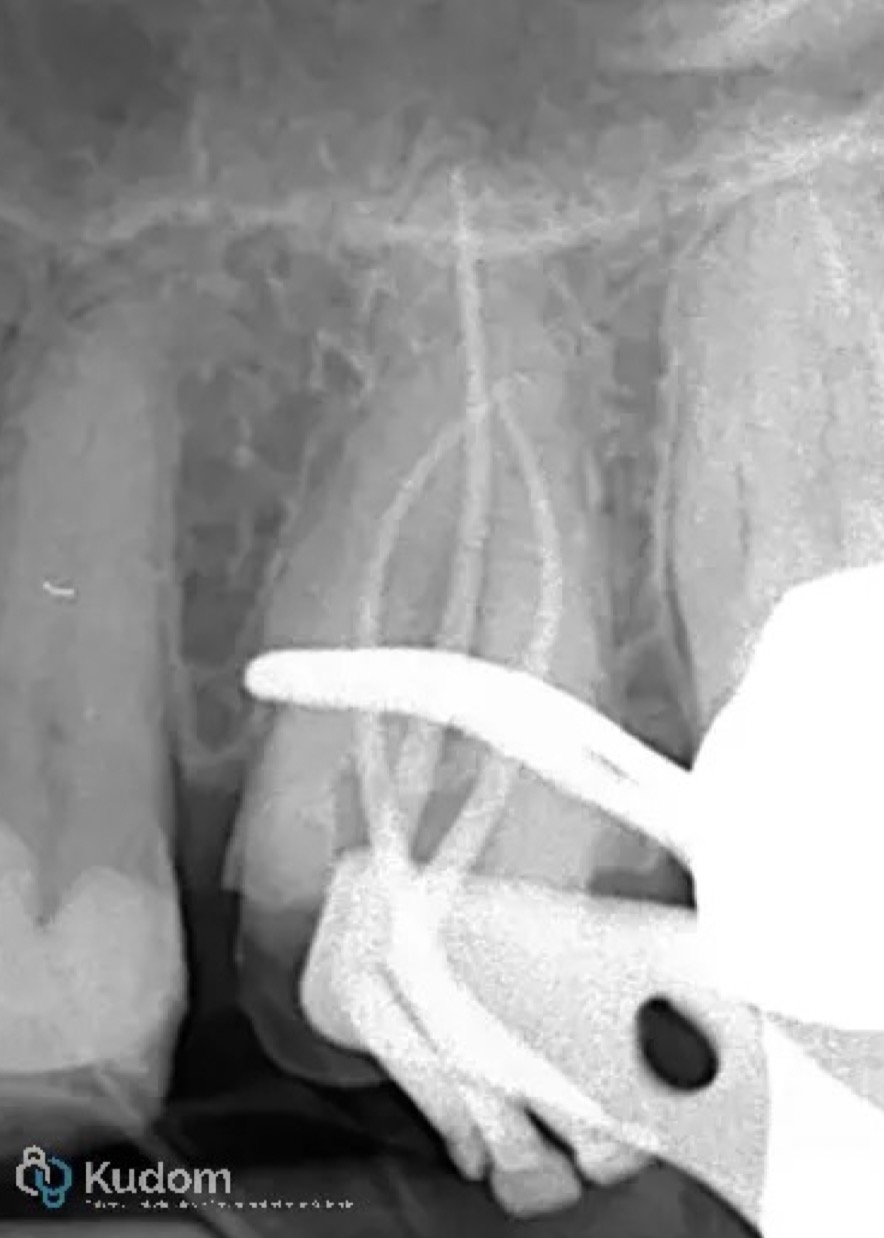
Fig. 3
X ray of working length and adaptation of the gutapercha cones.
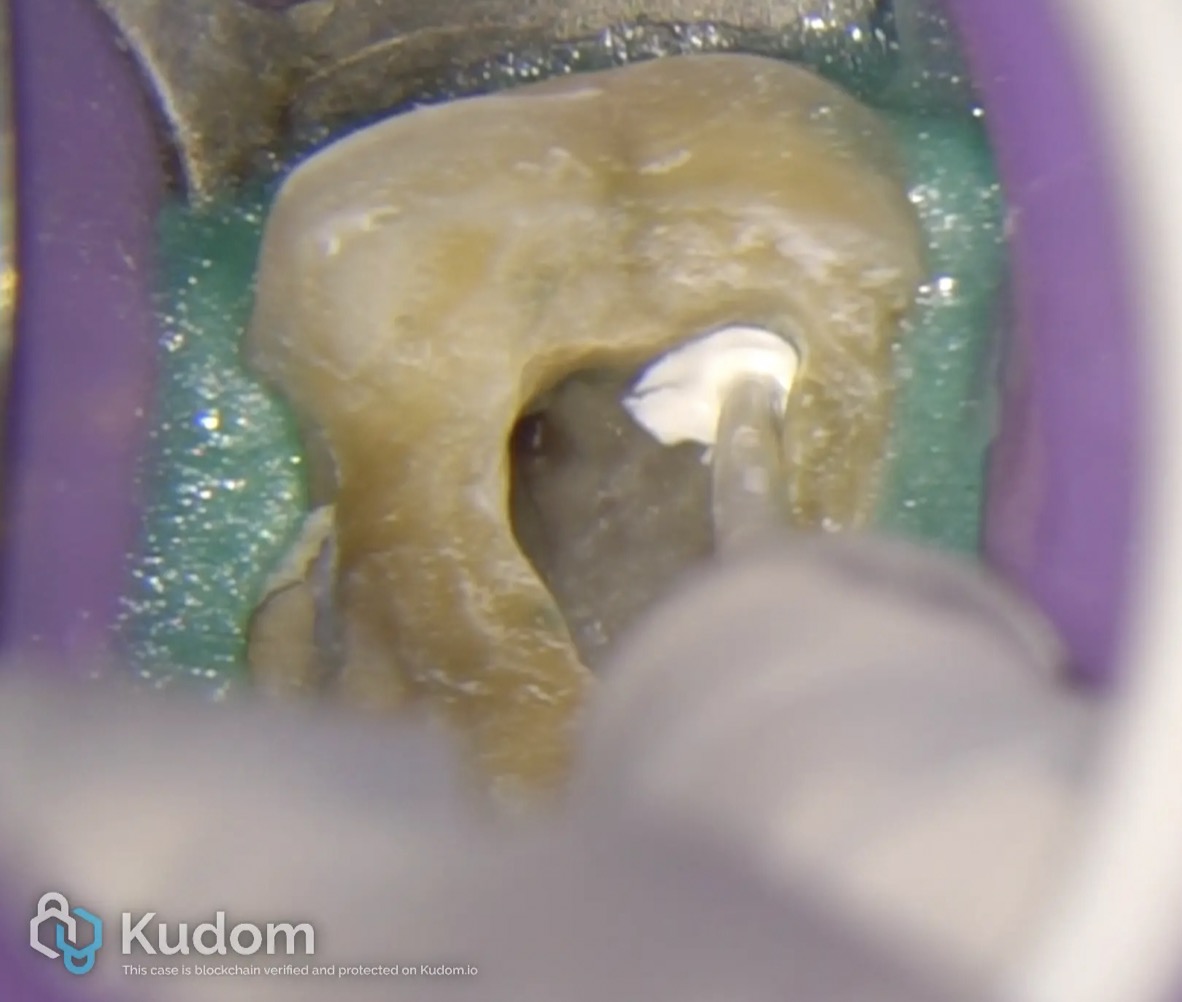
Fig. 4
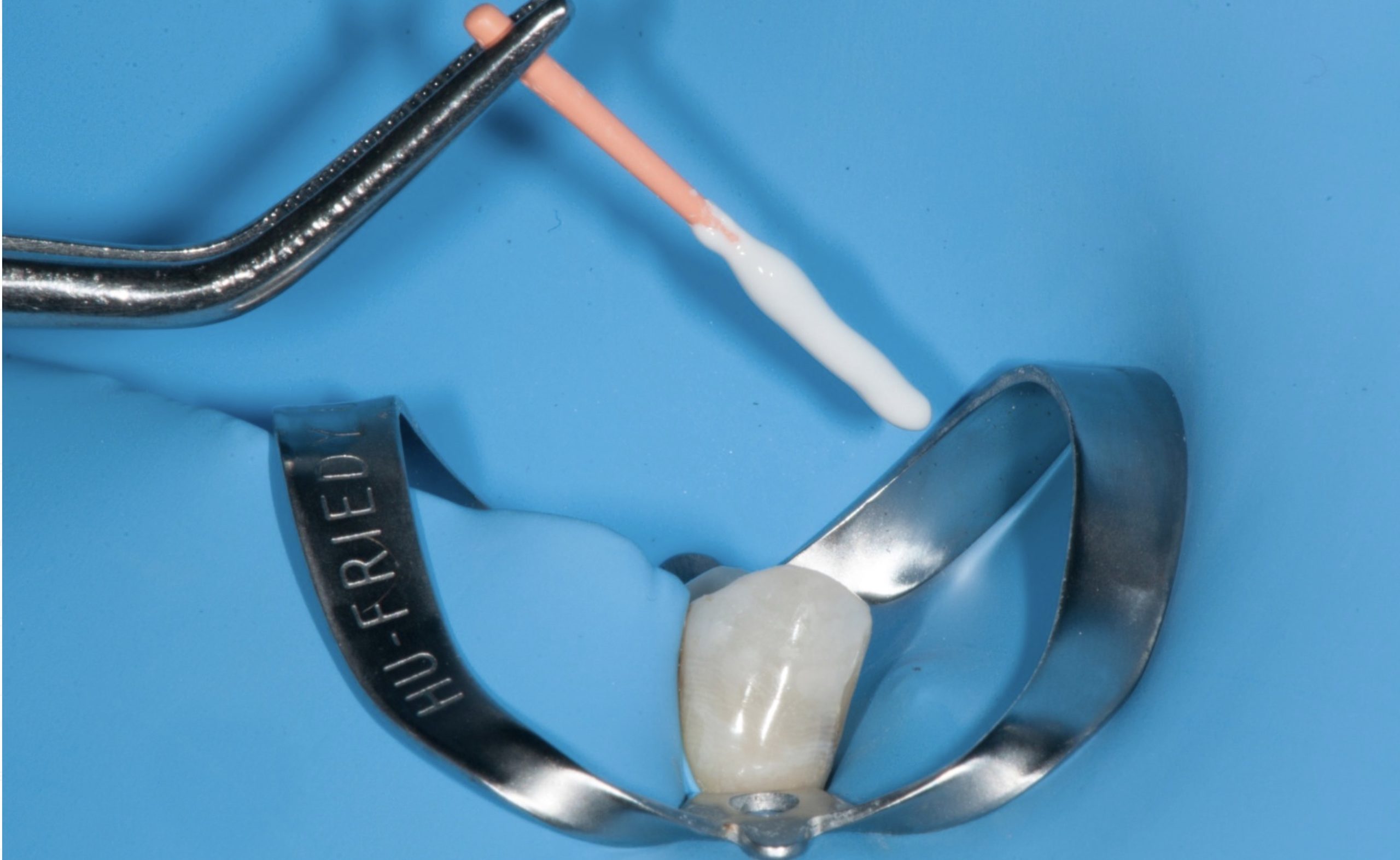
Insertion of bioceramic sealer into mesio-buccal canal.
(I prefer to fill one canal at a time)
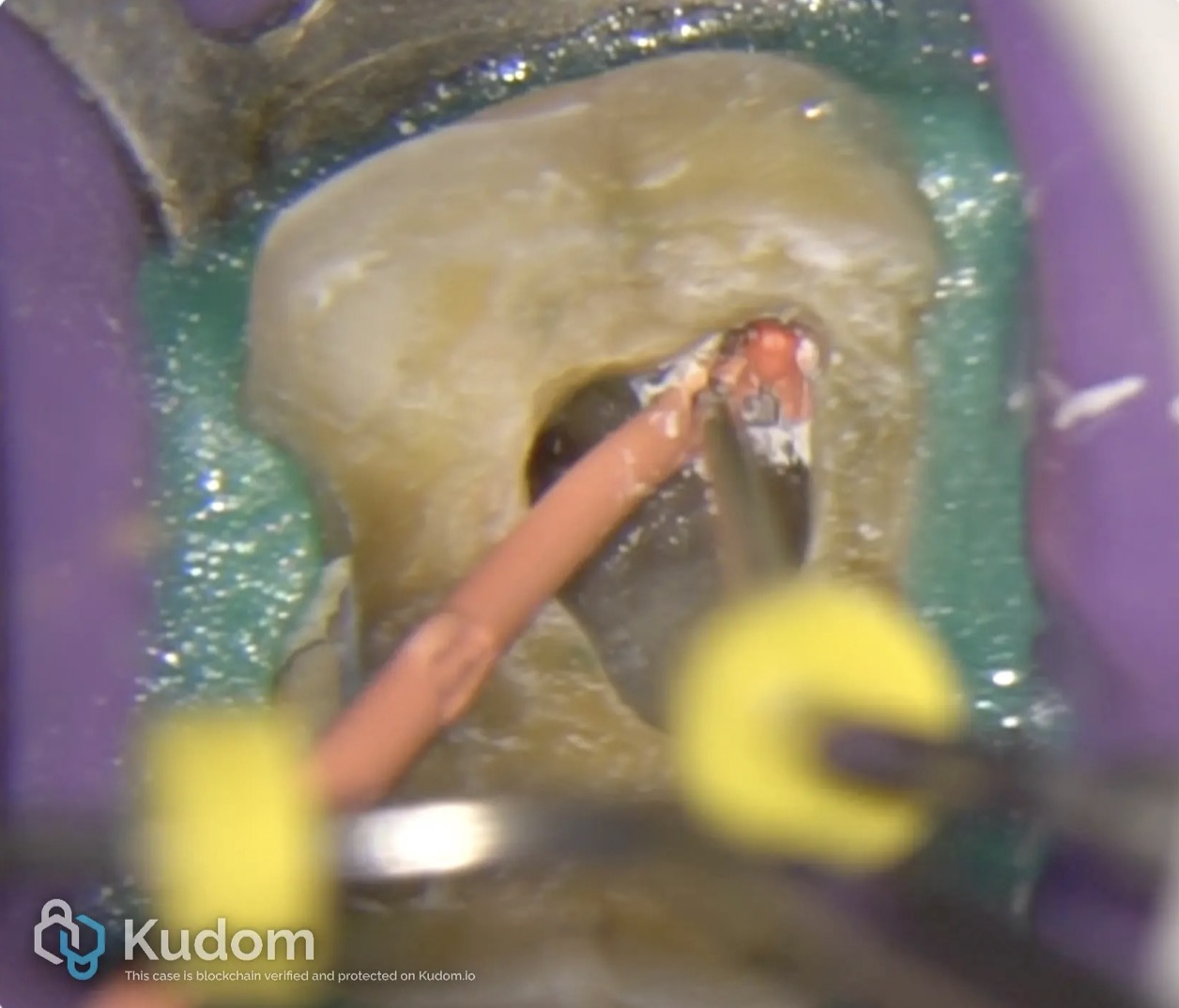
Fig. 5
Cut the cone at the orifice or 1-2 mm deeper into the canal.
(For cold obturation technique)
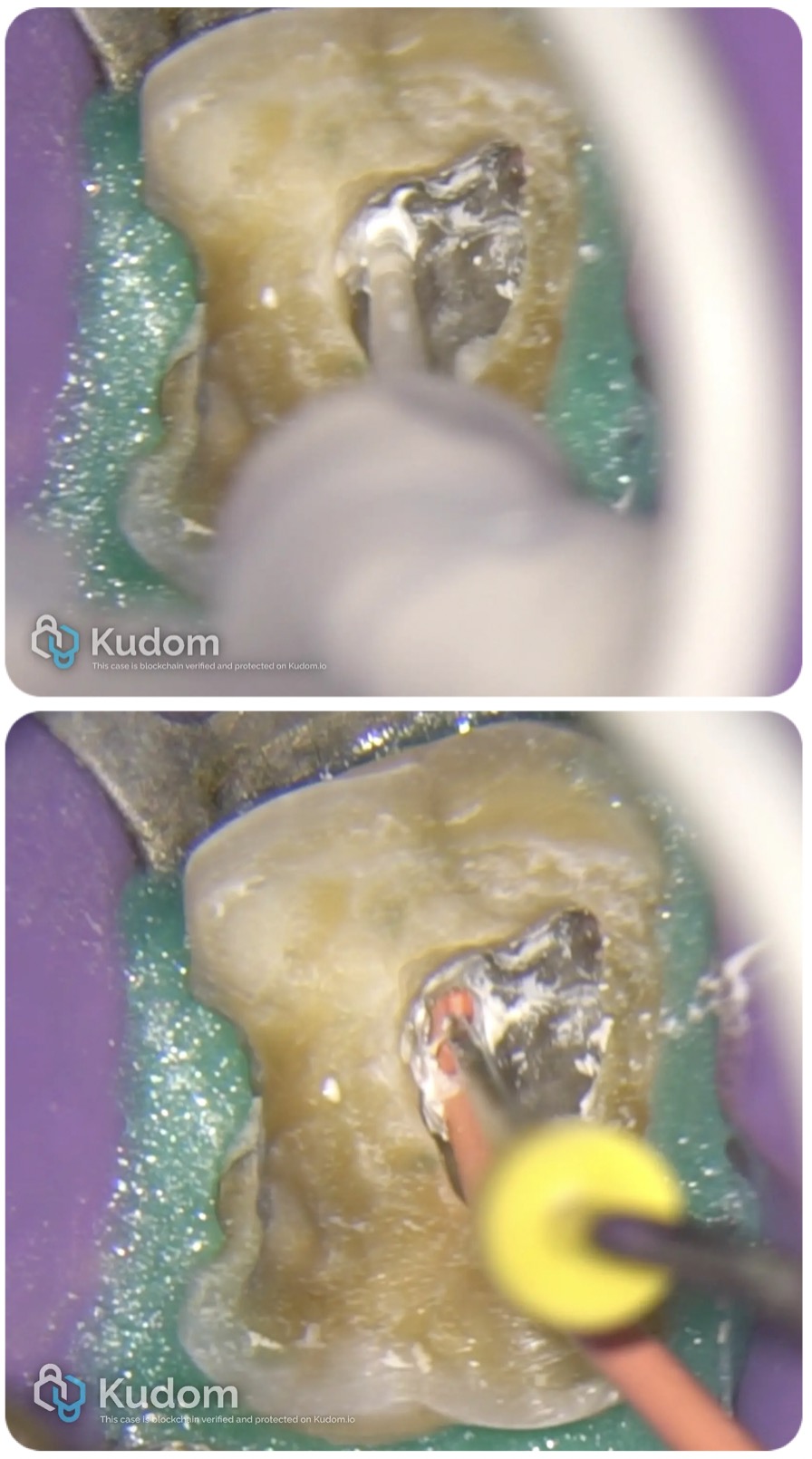
Fig. 6
Obturation of Disto-buccal canal.
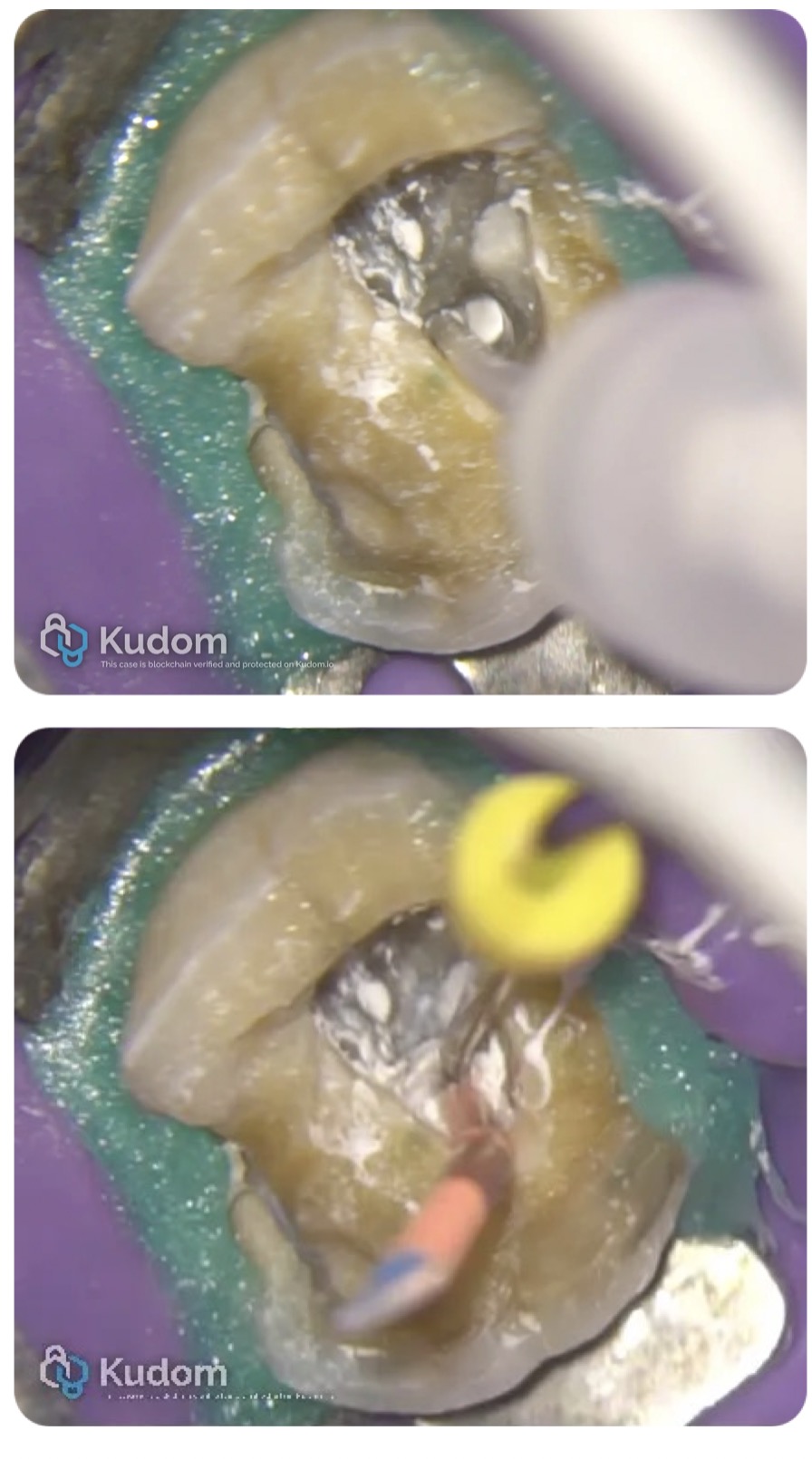
Fig. 7
In the palatal due to large coronal and middle parts of the canal I prefer do warm technique.
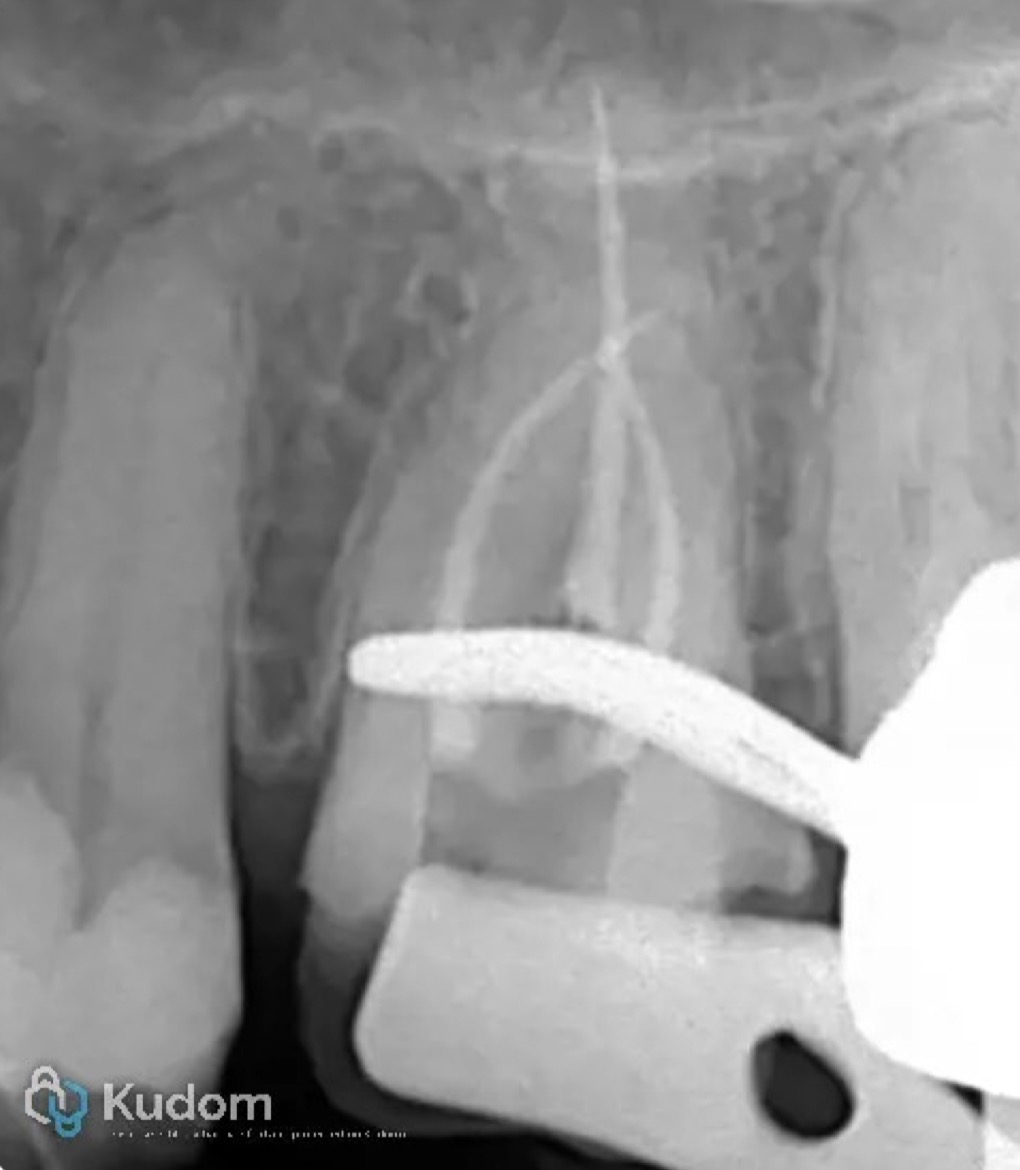
Fig. 8
X ray after obturation
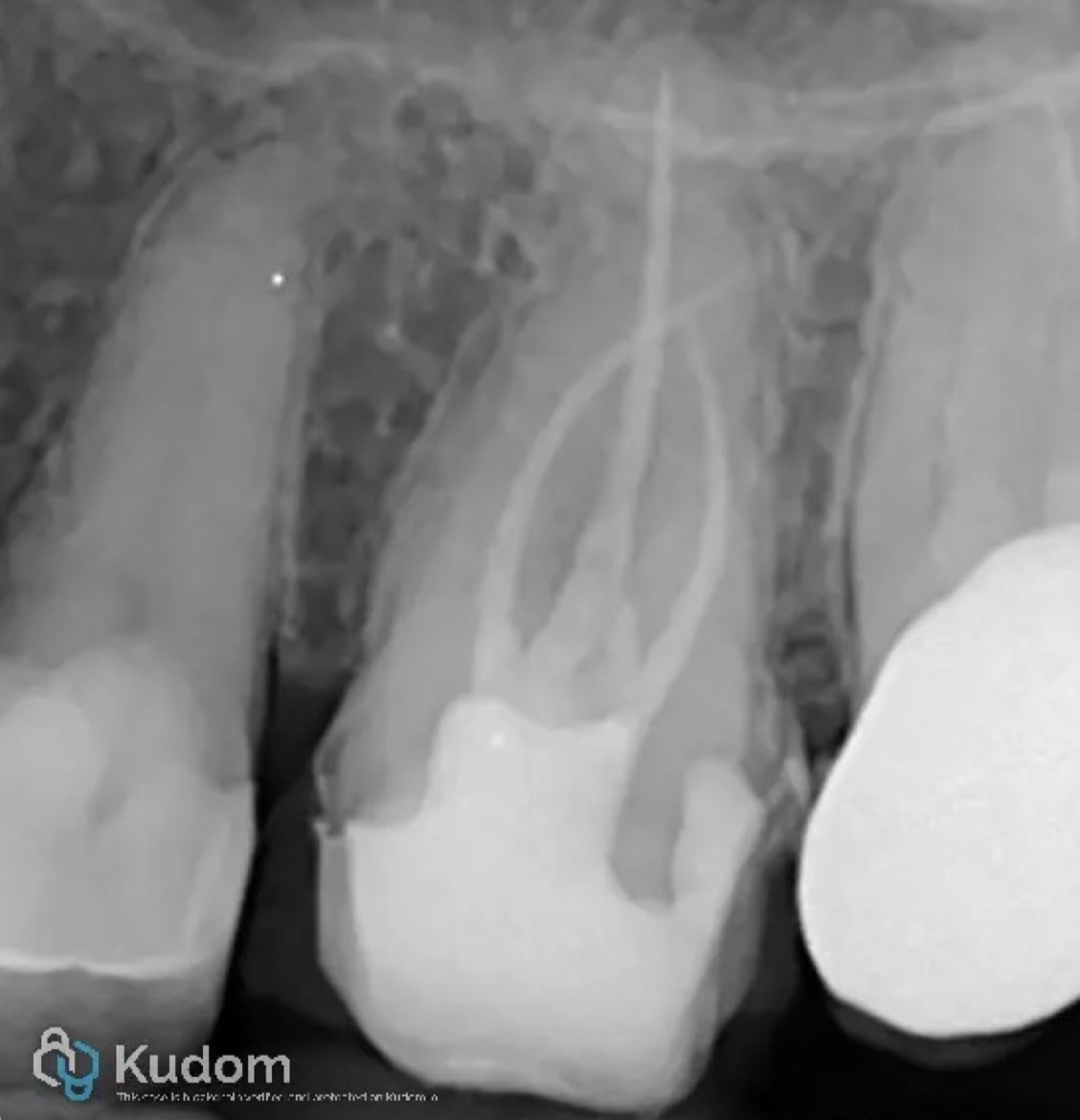
Fig. 9
Control at 2 months
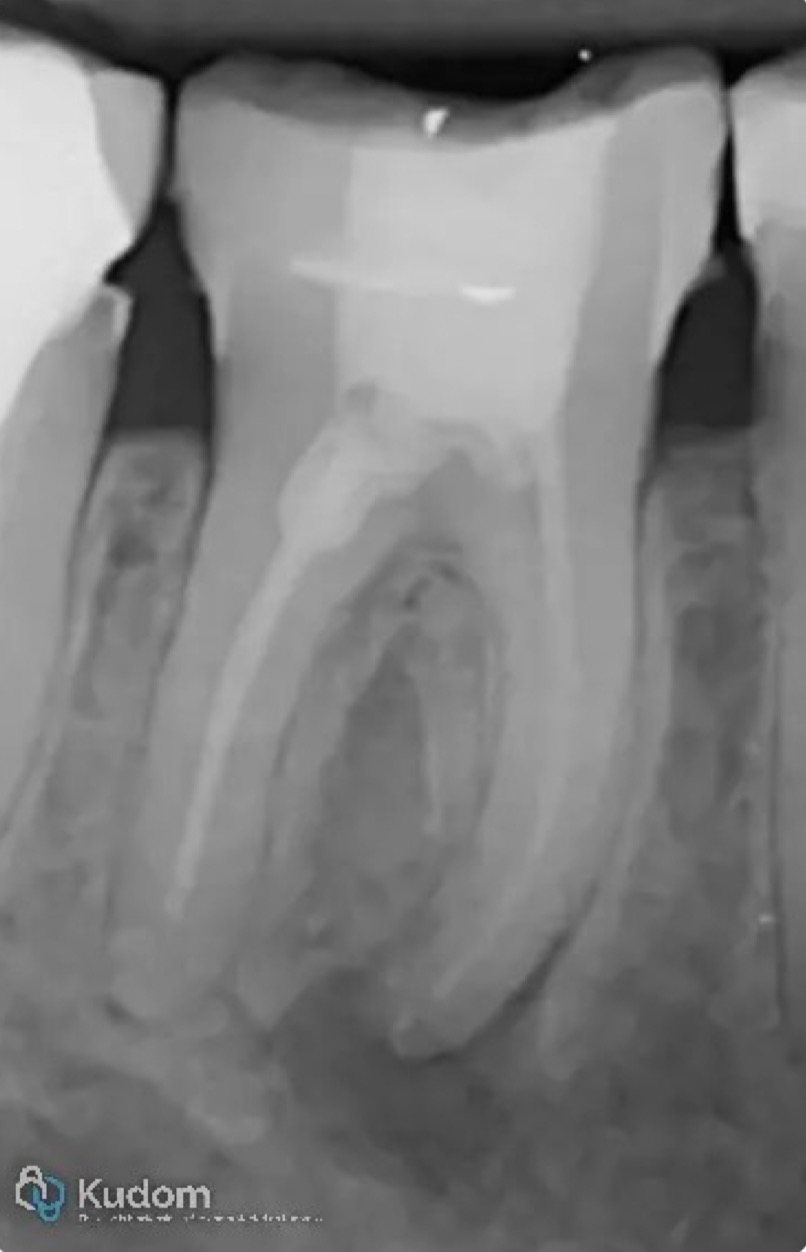
Fig. 10
2 CASE
Reatreatment of first inferior molar with large apical lesion.
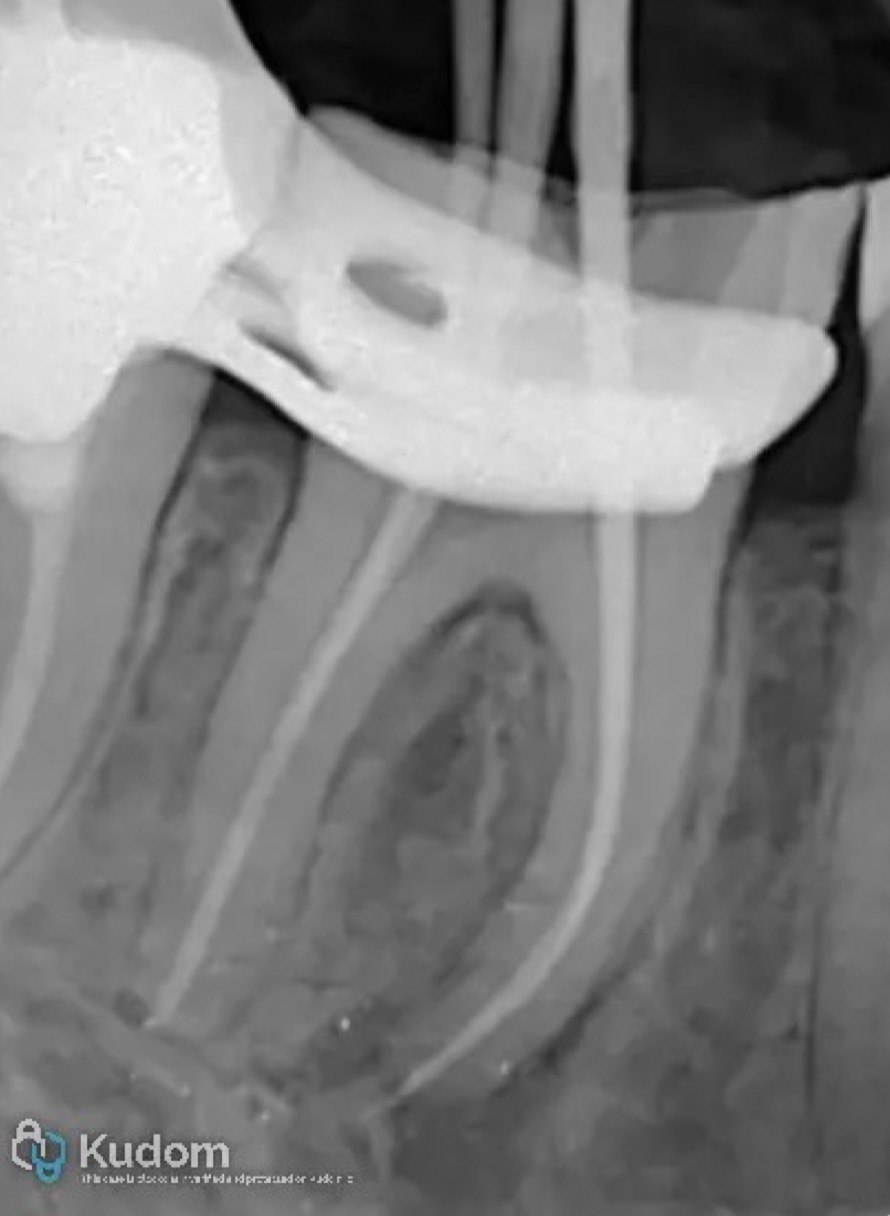
Fig. 11
Intraoral X-ray for working length
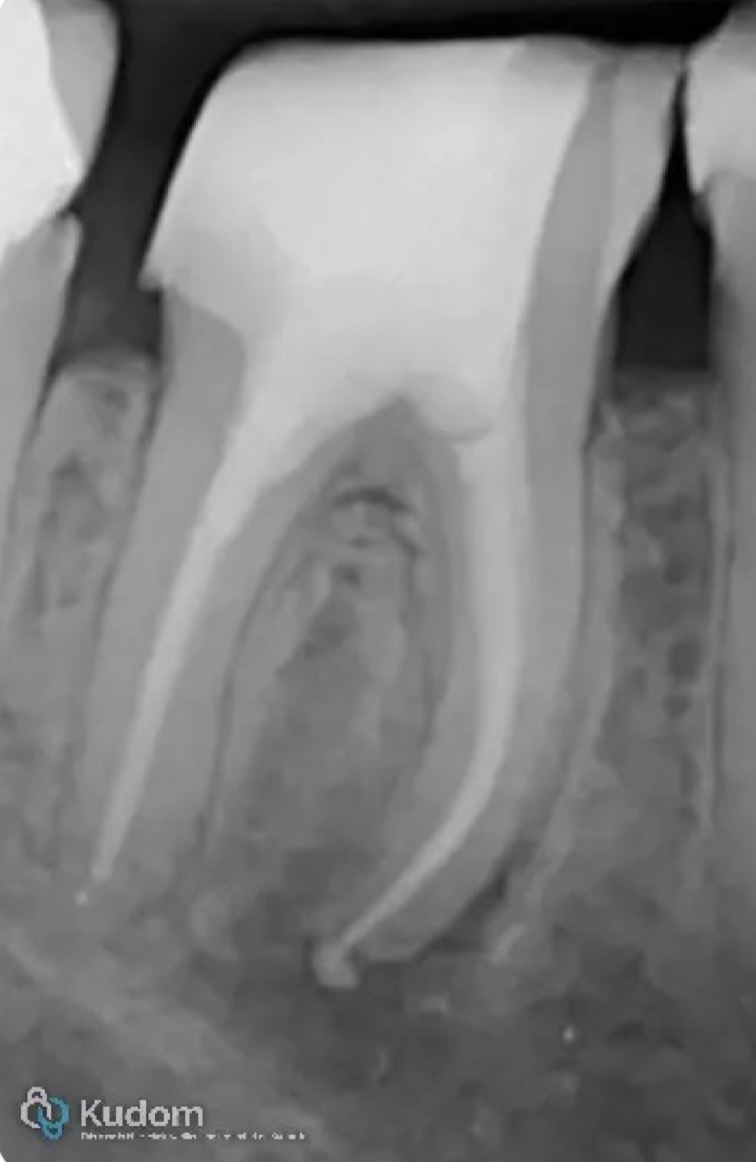
Fig. 12
Bioceramic sealer for the obturation of all canals and post endodontics reconstruction.
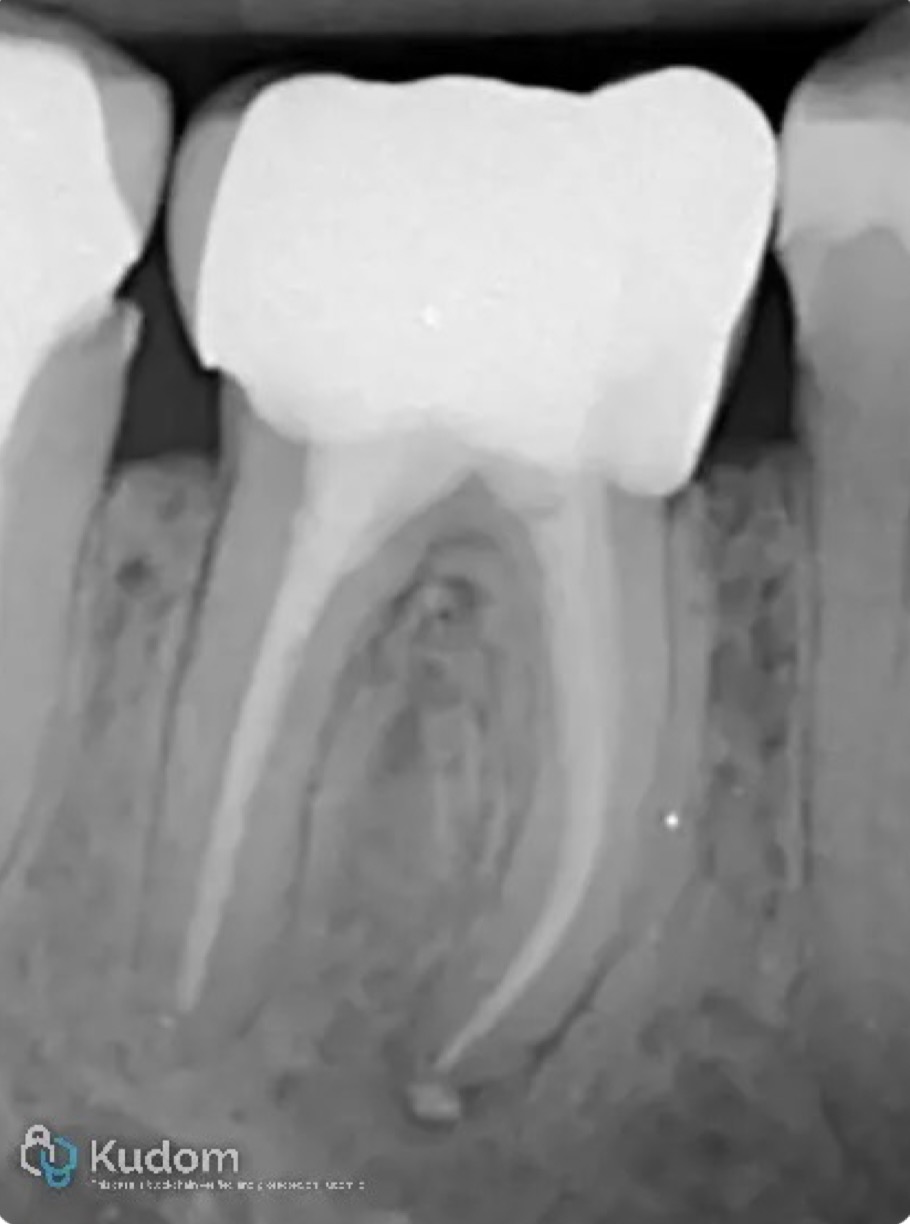
Fig. 13
At 7 months the x-ray show the healing of apical lesion.
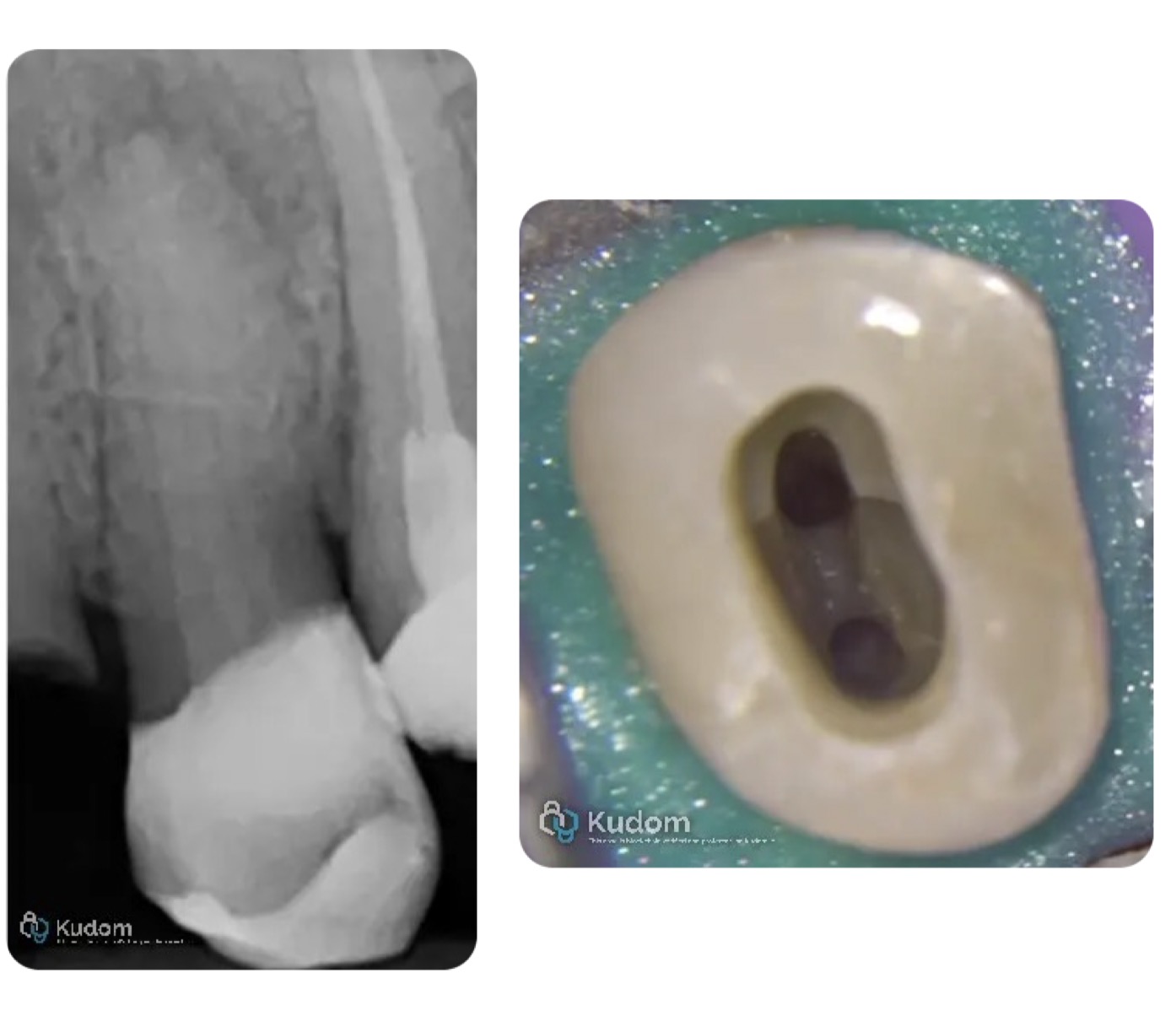
Fig. 14
3 CASE
First upper calcified premolar
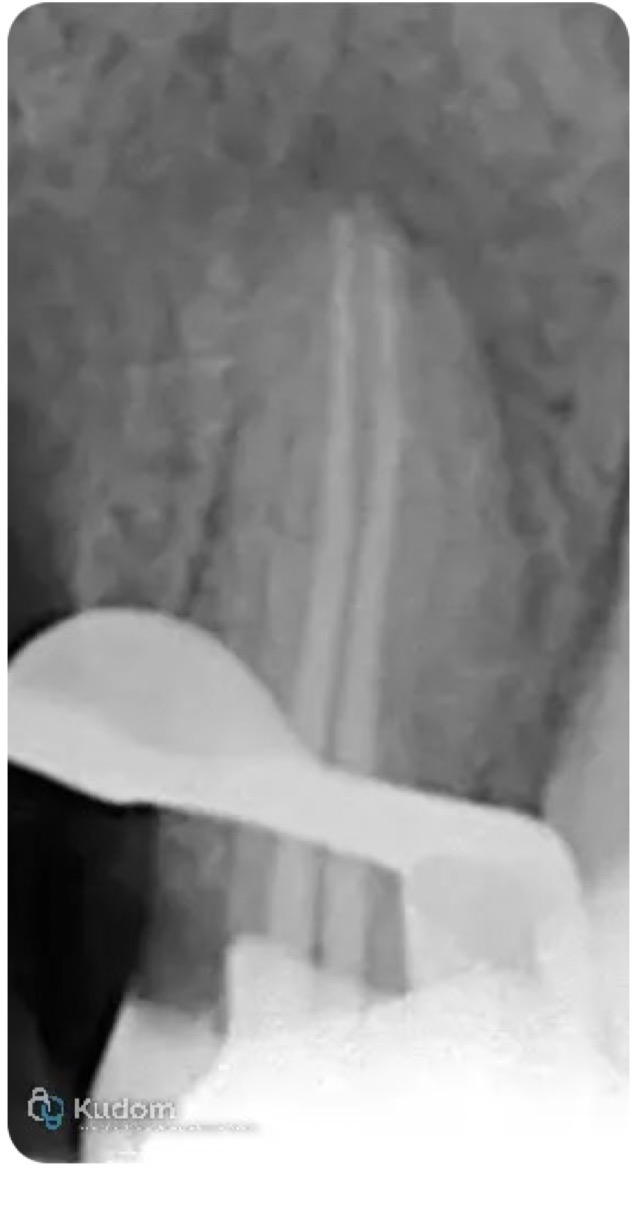
Fig. 15
X-ray to confirm working length
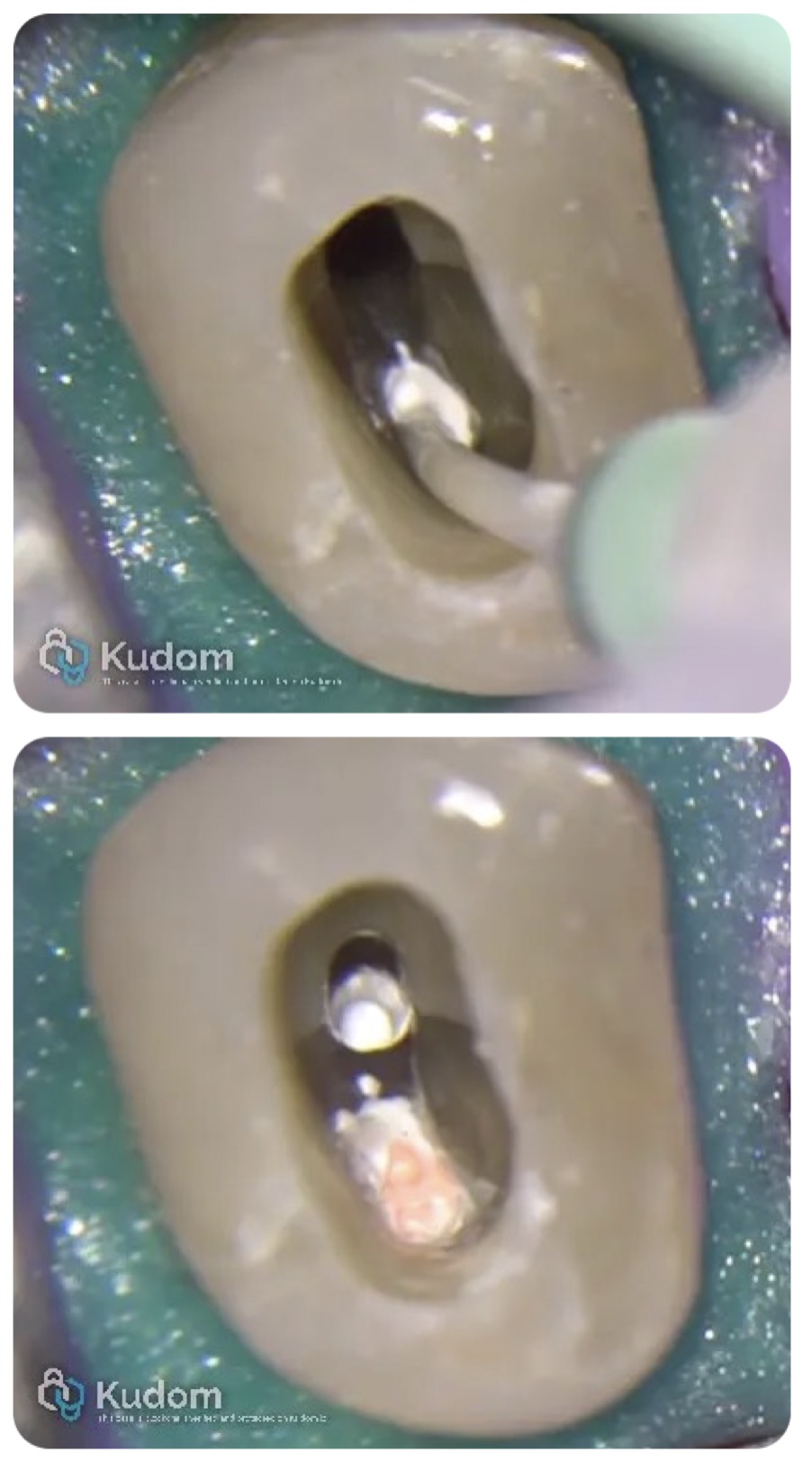
Fig. 16
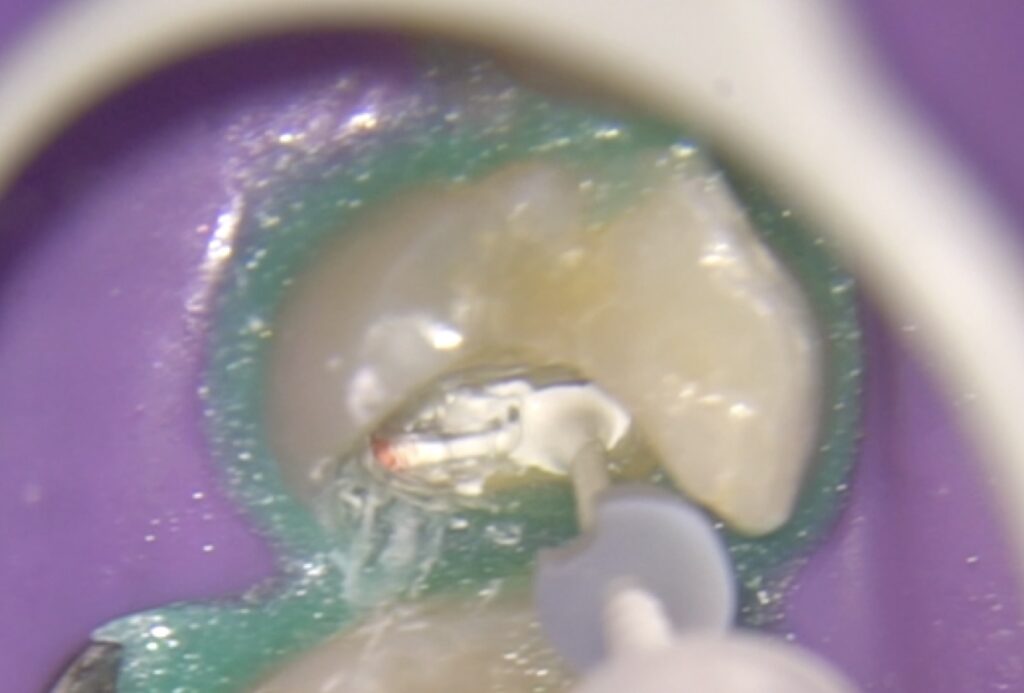
Photos of injection of bioceramic sealer.
Thanks your flowability we see cement into the second canal although the two canal are independent.
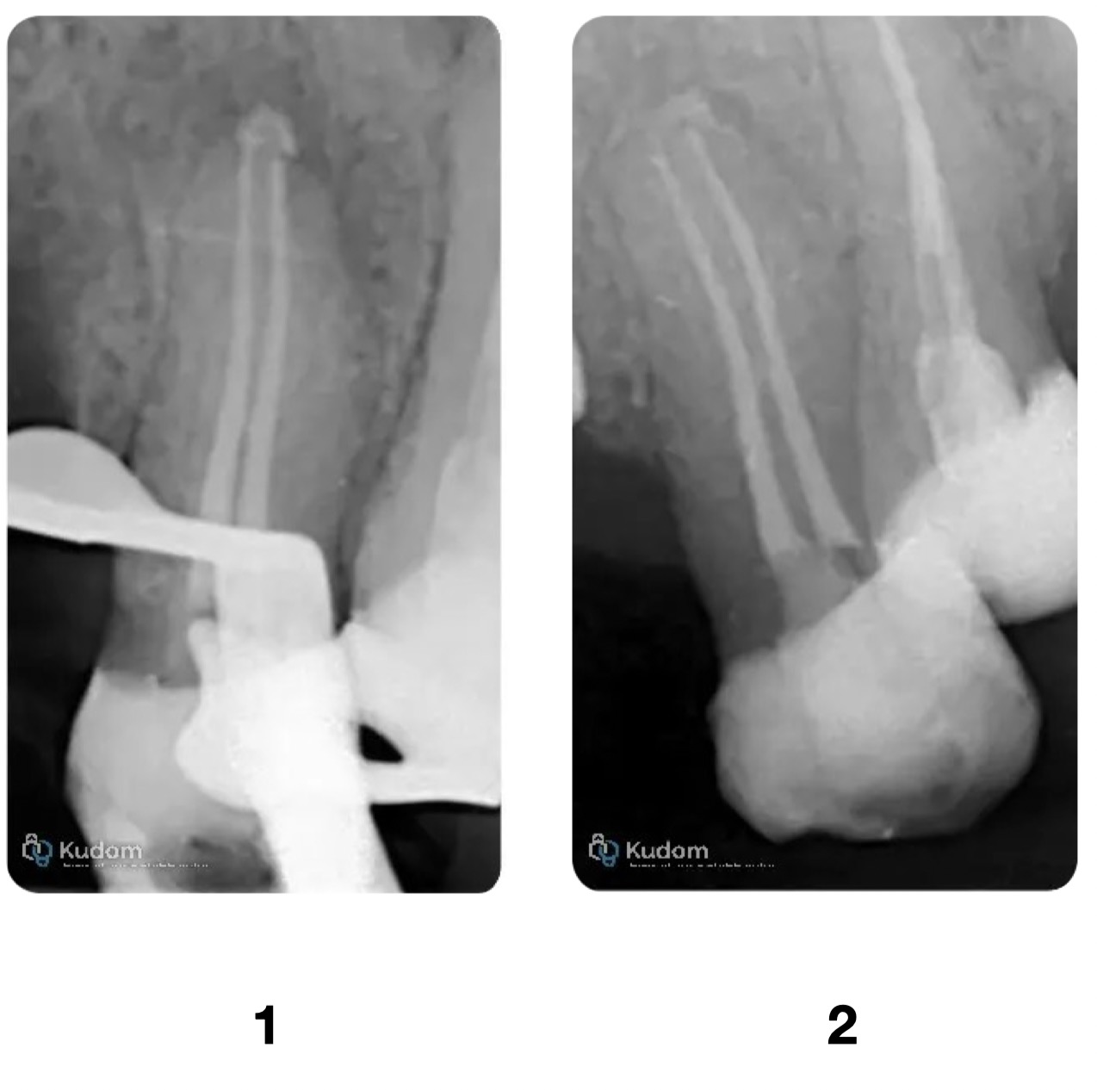
Fig. 17
- X-ray of the obturation of 2 independent canals
2) X-ray at 1 year with the healing of the lesion
Video of the complete case

Fig. 18
Graduated in Dentistry and Dental Prosthetics at
the University of Valencia in 2015.
It follows the Master in Clinical Endodontics at the University of Bologna
From 2017 to 2023 he is a tutor of the master in Endodontics and of the degree course in Dentistry and Prosthetics dental in the endodontic field of the University of Bologna
Winner in 2019 of the Closed Meeting of the Italian Society of Endodontics(SIE).
Attend the advanced course orthograde retreatment and endodontics surgery of the Italian Academy of Endodonty in 2017.
He attends the microscopy course of Dr. Fabio Gorni in 2019.
Active Member of the Italian Society of Endodontics.
Author and speaker at national and international congresses.
Fellow Member of Italian Style Endodontics
Conclusions
In conclusion, bioceramic cements have emerged as promising materials in modern endodontic treatment.
Their excellent biocompatibility and bioactivity allow them to interact with periapical tissues.
Their ability to release calcium ions and promote hydroxyapatite formation may contribute to the formation of a biological seal.
These properties make bioceramic materials particularly attractive for root canal obturation and repair procedures.
Their capacity to promote hard tissue formation may also support periapical healing and tissue regeneration.
Furthermore, their favourable biological properties could potentially contribute to faster and more predictable healing of periapical tissues.
However, despite these encouraging characteristics, some limitations remain, including their handling properties and the need for further long-term clinical evidence.
Therefore, additional clinical studies are necessary to fully establish their advantages and their long-term effectiveness.
Overall, bioceramic cements appear to represent a valuable development in endodontics, with the potential to improve treatment outcomes and support biological healing.
Their continued development may further expand their applications and contribute to increasingly predictable and minimally invasive endodontic treatments.
Bibliography
1- Zamparini F, Lenzi J., Duncan H. F., Spinelli A., Gandolfi M. G., Prati C. The efficacy of premixed bioceramic sealers versus standard sealers on root canal treatment outcome, extrusion rate and post-obturation pain: A systematic review and meta-analysis. Int Endod J 2024 Aug; 57(8): 1021-1042.
2- H Haji T, Salivary B. J., Suliman A. A. Sealing ability in vitro study and biocompatibility in vivo animal study of different bioceramic based sealers. Clin Exp Dent Res 2022 Dec; 8 (6): 1582-1590
3- La Rosa G. R. M., Canova F. S., Leotta M. L., Pedullà E. Effects of heating on bioceramic sealers: a scoping review
of chemo‑physical properties and clinical implications. Odontology (2025) 113:1–14
4- Jitaru S, Hodisan I, Timis L, Lucian A, Bud M. The use of bioceramics in endodontics - literature review. Clujul Med. 2016;89(4):470-473.